Balancing Screen Time & Outdoor Play for Healthy Kids

The Modern Dilemma: Navigating Screens and Nature for Our Children
In today's fast-paced world, parents often find themselves walking a tightrope between the digital allure of screens and the timeless call of the outdoors. Children are naturally drawn to vibrant apps, exciting games, and engaging videos, making it a real challenge to encourage them to step away and explore the world beyond their devices. This balance is not just about avoiding 'bad' things; it's about actively nurturing a wholesome environment where children can thrive both mentally and physically. At Pathseekers School in Beas, Punjab, we understand this modern predicament deeply and aim to support families in finding this crucial equilibrium.
The goal is not to demonize technology, which undeniably offers many educational and connective benefits, but rather to integrate it thoughtfully into a child's daily routine. We want our students to be digitally literate and competent, yet also grounded in the real world, equipped with strong social skills and a love for physical activity. This blog post will guide you through understanding the importance of both screen time and outdoor play, offering practical strategies to help your children develop healthy habits that will serve them well throughout their lives. It's about creating a lifestyle that champions overall well-being.
Finding this balance is key to ensuring our children grow up to be well-adjusted, creative, and resilient individuals. It impacts everything from their physical health and cognitive development to their emotional regulation and social interactions. As educators and parents, our shared responsibility is to equip them with the tools and opportunities to navigate both realms successfully. Let's explore how we can empower our children to enjoy the best of both worlds, fostering a childhood rich in learning, exploration, and genuine connection with their surroundings. You might also enjoy reading about wellness programs.
Understanding Screen Time: What It Is and Its Appeal
Screen time refers to the amount of time a person spends looking at a screen, whether it's a smartphone, tablet, computer, television, or gaming console. For children, this can range from watching cartoons and educational videos to playing interactive games, video chatting with family, or even doing homework online. It's a broad category, and not all screen time is created equal; passive viewing differs significantly from active, problem-solving engagement with an educational app. The digital world has become an undeniable part of daily life for most families, presenting both opportunities and challenges.
The appeal of screens to children is immense and multi-faceted. They offer immediate entertainment, captivating visuals, and interactive experiences that can be incredibly stimulating. Many educational apps and programs are designed to be highly engaging, making learning feel like play. Furthermore, screens can connect children with friends and family, especially those who live far away, fostering a sense of belonging and communication. This blend of entertainment, education, and connection makes screens a powerful magnet for young minds, often making it difficult for children to disengage.
It's important for parents to differentiate between various types of screen time. For instance, a video call with grandparents or a collaborative online project for school is very different from hours spent passively watching mindless videos or playing highly stimulating, fast-paced games. Understanding these distinctions helps parents make informed decisions about what kind of screen time is beneficial and what might be less so. Our aim is to guide children towards purposeful and enriching digital experiences, rather than simply restricting their access completely, which is often neither practical nor entirely beneficial in the modern age. Learn more about AI in education to expand your understanding.
The Benefits of Outdoor Play: Why Nature Matters
Outdoor play is fundamental to a child's holistic development, offering a myriad of benefits that screens simply cannot replicate. When children play outside, they engage all their senses: feeling the grass, hearing birdsong, smelling flowers, and seeing the vastness of the sky. This sensory immersion is crucial for brain development and helps children understand the world around them in a tangible, real way. It's an environment where creativity flourishes as children invent games, build forts, and imagine new worlds using natural elements.
Physically, outdoor play is a powerhouse for health. Running, jumping, climbing, and cycling contribute significantly to developing strong muscles, healthy bones, and improved coordination. Exposure to natural sunlight helps the body produce Vitamin D, which is essential for bone health and a strong immune system. Regular physical activity outdoors also helps children maintain a healthy weight, reducing the risk of obesity and related health issues. The fresh air and open spaces provide an invigorating contrast to indoor environments, promoting overall vitality and energy.
Beyond the physical, outdoor play nurtures mental and emotional well-being. Spending time in nature has been shown to reduce stress and anxiety in children, promoting a sense of calm and happiness. It provides opportunities for unstructured play, allowing children to develop problem-solving skills, take calculated risks, and build resilience. Socially, outdoor environments often encourage collaborative play, where children learn to share, negotiate, resolve conflicts, and communicate effectively with their peers. These are invaluable life skills that are best honed through real-world interactions and shared experiences. A related topic worth checking out is healthy habits.
Potential Downsides of Excessive Screen Time
While screens offer benefits, excessive and unmanaged screen time can lead to several significant downsides for children's development. One major concern is the impact on physical health. Prolonged periods spent sedentary in front of screens can contribute to a lack of physical activity, increasing the risk of childhood obesity. Furthermore, the constant focus on a digital display can lead to eye strain, dry eyes, and potentially even affect developing vision over time. Poor posture adopted while using devices can also cause discomfort and long-term musculoskeletal issues.
Mentally and emotionally, excessive screen time can interfere with important developmental processes. Research suggests a link between high screen use and issues like reduced attention spans, difficulty concentrating, and even problems with impulse control. The fast-paced nature of many digital games and videos can overstimulate a child's brain, making it harder for them to engage with slower, real-world activities that require sustained focus. Moreover, constant exposure to screens, especially before bedtime, can disrupt sleep patterns due to the blue light emitted, leading to fatigue and irritability. For practical tips, see this guide on Indias Thriving Maritime Industry A New Era Of Global Trade .
Socially, an over-reliance on screens can hinder the development of crucial interpersonal skills. Children might spend less time interacting face-to-face with family and friends, which is essential for learning empathy, reading social cues, and navigating complex social situations. While online interactions exist, they often lack the depth and nuance of real-world connections. It's about finding a balance where digital connections complement, rather than replace, the rich tapestry of human interaction that helps children build strong, meaningful relationships in their community and at Pathseekers School.
The Advantages of Physical Activity and Nature Exposure
Engaging in regular physical activity, especially outdoors, is vital for the development of both fine and gross motor skills. Activities like running, jumping, throwing, and catching help children develop their large muscle groups and improve their coordination and balance. Meanwhile, tasks like picking up pebbles, drawing in the dirt, or building with natural materials can enhance their fine motor skills, which are essential for writing and other detailed tasks in the classroom. This hands-on engagement with the physical world is irreplaceable for comprehensive physical development.
Exposure to nature also stimulates sensory development in unique ways. The diverse textures, sounds, smells, and sights of the natural environment provide a rich sensory experience that helps children make sense of their world. Unlike the predictable and often two-dimensional stimuli of screens, nature offers dynamic, multi-sensory input that fosters curiosity and exploration. This constant sensory engagement builds stronger neural pathways, enhancing cognitive functions and making children more observant and attentive to their surroundings. If this interests you, also read about physical fitness.
Furthermore, spending time in nature has profound benefits for emotional regulation and resilience. The calming effect of green spaces can reduce stress hormones and improve mood, helping children manage their emotions more effectively. Encountering challenges in nature, such as navigating uneven terrain or finding a solution to a nature-based problem, builds confidence and problem-solving abilities. These experiences teach children to adapt, persist, and overcome obstacles, fostering a sense of accomplishment and resilience that is crucial for navigating life's challenges, both inside and outside the classroom at Pathseekers School.
Setting Healthy Screen Time Limits: Practical Tips for Parents
Establishing clear and consistent screen time limits is one of the most effective ways to manage children's digital consumption. Experts often recommend specific guidelines based on age. For instance, for children aged 2-5, some suggest limiting screen use to about one hour per day of high-quality programming viewed with a parent. For older children, the focus shifts from strict time limits to ensuring screen use doesn't displace essential activities like sleep, physical activity, family time, or homework. The key is finding what works best for your family while adhering to general health recommendations.
Creating a 'family media plan' can be incredibly helpful. This involves sitting down together as a family to decide on rules for screen use, including when, where, and for how long screens can be used. Designating screen-free zones, such as bedrooms and dining areas, ensures that family meals and bedtime routines remain undisturbed by digital distractions. Implementing screen-free times, like an hour before bed or during specific family activities, also helps to promote better sleep and stronger family bonds. Consistency is paramount for these rules to be effective. This is closely related to Indias Thriving Space Program A New Era Of Space Exploration — a must-read for parents.
Parents also play a crucial role as role models. Children often mimic the behaviors they observe, so managing your own screen use thoughtfully can set a powerful example. Engage in screen-free activities with your children regularly, demonstrating the joy of reading, playing board games, or simply conversing. Discussing digital citizenship and responsible online behavior with your children as they grow older is also vital. At Pathseekers School, we encourage open dialogue about healthy habits, understanding that parental involvement is key to guiding children in the digital age.
Encouraging Outdoor Adventures: Simple Ideas for Families
Making outdoor play a regular and exciting part of your child's life doesn't have to be complicated or expensive. Simple activities can often be the most rewarding. Start with regular visits to local parks, where children can run freely, use swings, slides, and climbing frames, and interact with other children. Even a walk around your neighborhood can turn into an adventure if you encourage them to notice different plants, birds, or interesting houses. The key is to make outdoor time feel like a treat, not a chore, by infusing it with curiosity and fun.
Transform everyday outdoor spaces into zones of exploration. If you have a backyard, consider setting up a small garden plot where children can help plant seeds, water plants, and observe nature up close. A simple scavenger hunt for natural items like specific leaves, stones, or flowers can turn a walk into an exciting quest. Encourage imaginative play by providing simple props like blankets for fort-building, magnifying glasses for nature observation, or a ball for spontaneous games. These activities foster creativity and a deeper connection with the natural world. You might also enjoy reading about educational technology.
Overcoming obstacles like bad weather or safety concerns requires a proactive approach. Invest in appropriate gear like raincoats and boots so a little drizzle doesn't cancel outdoor plans. Explore indoor alternatives like sports complexes or community centers during extreme weather. For safety, teach children about staying within sight, talking to strangers, and being aware of their surroundings. At Pathseekers School, we emphasize the importance of safe play and provide supervised outdoor activities, ensuring children can explore and learn in a secure environment, fostering both independence and responsibility.
Integrating Learning: How Both Can Support Education
When used thoughtfully, screen time can be a powerful educational tool that complements traditional learning. Educational apps and websites can offer interactive ways to learn new languages, explore scientific concepts, or practice math skills. The key is to select high-quality content that is age-appropriate, engaging, and genuinely educational, rather than merely entertaining. Parents should research and preview apps, ensuring they align with learning objectives and promote active participation over passive viewing. This mindful approach transforms screens into valuable learning resources. Learn more about Why Licensed Electrician Brooklyn Services Ensure Safer Home to expand your understanding.
Conversely, outdoor play significantly enhances classroom learning by providing real-world context and hands-on experience. A nature walk can become a science lesson on botany or ecology, where children observe plant life cycles or animal habitats. Building a fort can teach principles of engineering and problem-solving. These experiences make abstract concepts tangible and memorable. The CBSE curriculum, particularly through subjects like Environmental Studies (EVS) and Physical Education, strongly advocates for experiential learning, encouraging students to learn by doing and observing their surroundings.
Pathseekers School integrates both approaches to foster a well-rounded educational experience. Our students use smartboards and supervised computer labs for research and interactive learning, ensuring they develop essential digital literacy skills. Simultaneously, our extensive sports facilities, nature walks around the campus, and outdoor educational trips are designed to connect students with nature and promote physical activity. This balanced approach ensures that our students not only excel academically but also develop a deep appreciation for their environment and a commitment to healthy living, aligning perfectly with CBSE's vision for holistic development.
Pathseekers School's Approach: Fostering Balance
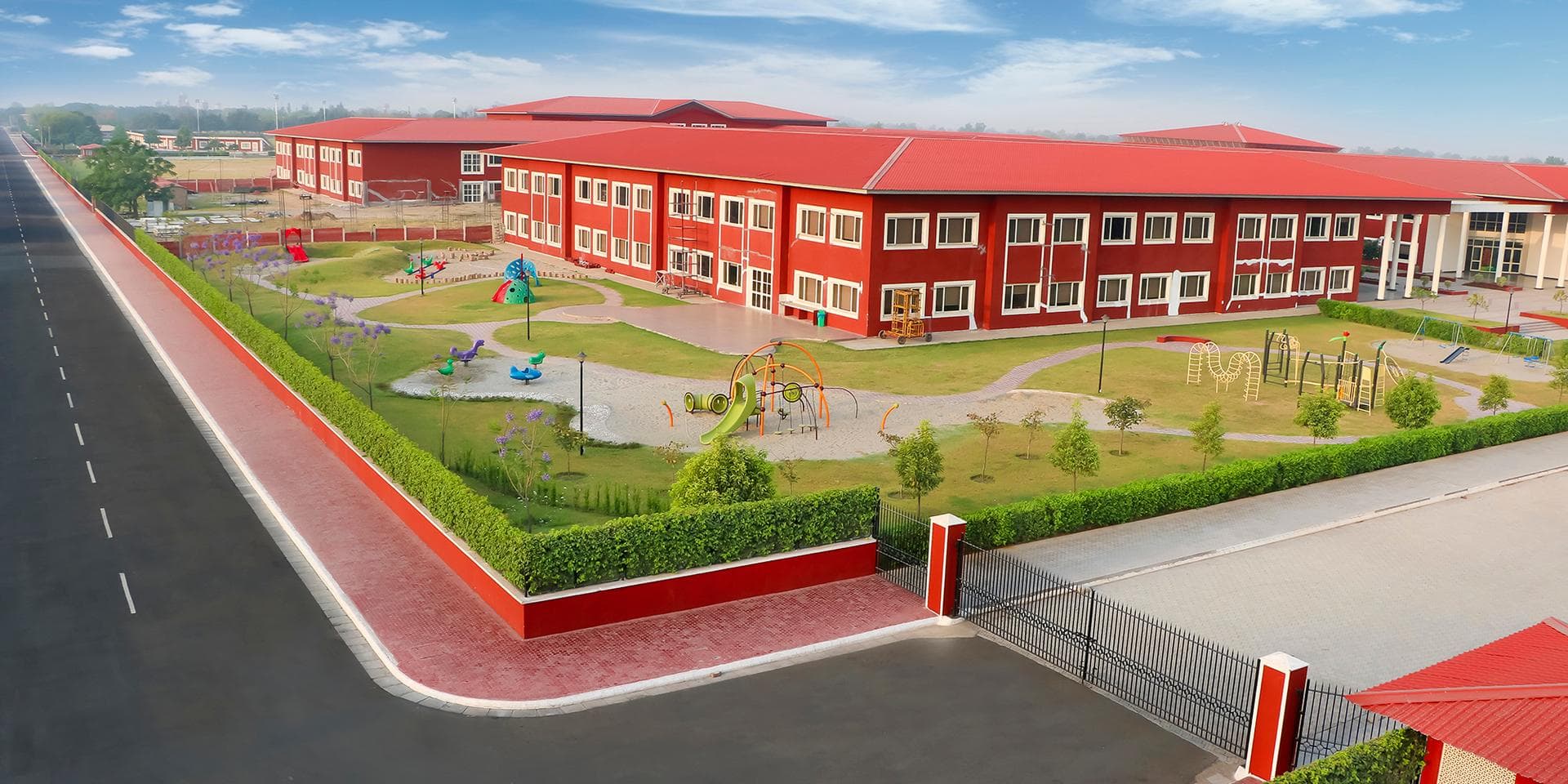
At Pathseekers School in Beas, Punjab, we are deeply committed to fostering a balanced lifestyle for our students, recognizing the critical importance of both academic rigor and physical well-being. Our campus is designed to provide ample opportunities for outdoor engagement, featuring expansive playgrounds, dedicated sports fields for football, cricket, and basketball, and green spaces where children can simply run and play. We believe that a child's learning journey is significantly enhanced when they have regular access to fresh air and physical activity, allowing them to return to the classroom refreshed and focused. A related topic worth checking out is India 2050 Unlocking The Future.
We integrate outdoor play into the daily timetable through structured sports periods, physical education classes, and supervised free play sessions. Our teachers often take learning outside, conducting science experiments in the open air, holding storytelling sessions under the trees, or organizing nature scavenger hunts that connect directly to the CBSE curriculum's emphasis on environmental awareness. These activities are not just about burning energy; they are carefully designed to build teamwork, develop motor skills, and cultivate a deep appreciation for nature, which is a core value we instill in our students.
While we champion outdoor activities, Pathseekers School also embraces technology as a vital educational tool. Our classrooms are equipped with modern smartboards, and students have access to well-maintained computer labs for research, coding, and interactive learning under strict supervision. We teach digital citizenship and responsible screen use, ensuring that technology enhances learning without becoming a distraction. This thoughtful integration reflects our commitment to preparing students for a future where they can confidently navigate both the digital and natural worlds with wisdom and balance, embodying the holistic education principles of the CBSE board.
Conclusion: Building a Balanced Future for Our Children
The journey of parenting in the 21st century involves navigating a complex landscape where screens are ubiquitous, and the call of the wild sometimes feels distant. However, by understanding the unique benefits and potential pitfalls of both screen time and outdoor play, we can empower our children to embrace a balanced lifestyle. It's about being intentional with our choices, setting clear boundaries, and actively creating opportunities for our children to thrive in all aspects of their development. This balance is not a one-time fix but an ongoing commitment to their well-being. For practical tips, see this guide on innovative methods.
Remember, the goal is not to eliminate screens entirely, but to ensure they are used mindfully and purposefully, complementing a rich life filled with real-world experiences. Encourage your children to explore, imagine, and connect with their surroundings, fostering a love for physical activity and the natural world. At Pathseekers School, we firmly believe that nurturing this balance is fundamental to raising well-rounded, resilient, and happy individuals who are prepared to face the challenges and opportunities of tomorrow. Our commitment is to partner with you in this vital endeavor.
Let us work together to guide our children towards a future where they are confident digital citizens, enthusiastic adventurers, and compassionate individuals. By prioritizing a harmonious blend of engaging screen experiences and invigorating outdoor adventures, we lay the foundation for a generation that is not only smart and technologically adept but also physically healthy, emotionally intelligent, and deeply connected to the world around them. This holistic approach ensures they grow into confident, capable adults ready to make a positive impact, echoing the values we uphold at Pathseekers School every day.
Recommended Reading & Resources
Explore these related articles and resources to deepen your understanding of this topic:
- innovative teaching
- Unlocking The Secrets Of Search Engine Optimization A Deep D
- How To Train Clients With Diabetes Exercise Guidelines For P
- tech in schools
- What Makes A Social Media Post Visually Effective
- Unveiling The Mysteries Of Seo Supremacy A Futuristic Odysse
- student learning
- Unveiling The Asus Tug Gaming Laptop A Paradigm Shift In Por
- Deciphering The Enigma Of Seo A Futuristic Exploration Of Di
- Revolutionizing The Internet Web3 And The Decentralized Web
Published by Pathseekers School, Beas — A leading CBSE school in Amritsar, Punjab.
More articles on our official portal