Balancing Screen Time & Outdoor Play for Healthy Kids

The Modern Dilemma: Screens vs. Swings
In today's fast-paced world, parents often find themselves navigating a complex landscape where digital devices and the great outdoors compete for their children's attention. From educational apps to engaging video games, screens have become an undeniable part of daily life for kids. While technology offers numerous benefits, from access to information to new ways of learning, it also presents challenges regarding excessive use. Finding the right balance between these digital demands and the timeless joy of outdoor play is crucial for a child's overall well-being and development.
At Pathseekers School in Beas, Punjab, we understand this modern dilemma deeply. Our philosophy centers on nurturing well-rounded individuals, which includes guiding families on how to integrate technology responsibly while still prioritizing physical activity and connection with nature. This isn't about eliminating screens entirely, but rather about thoughtful moderation and ensuring that children experience the rich tapestry of life both online and offline. We believe that a balanced approach is key to raising healthy, happy, and adaptable children ready for the future.
This blog post aims to provide parents with practical insights and actionable strategies to achieve this vital balance. We will explore the benefits and drawbacks of both screen time and outdoor play, offer age-appropriate guidelines, and share creative ideas to encourage more physical activity. Our goal is to empower families to make informed choices, fostering an environment where children can thrive intellectually, physically, and emotionally, just as we strive to do every day within our school community. You might also enjoy reading about Why Good Outdoor Wayfinding Signs Actually Matter More Than .
Understanding Screen Time: The Good, The Bad, and The Digital
Screen time, in its essence, refers to the amount of time an individual spends using a device with a screen, such as smartphones, tablets, computers, and televisions. It's important to recognize that not all screen time is created equal. Educational apps, interactive learning programs, and virtual tours of historical sites can offer significant learning opportunities, aligning well with the experiential learning goals promoted by the CBSE curriculum. These tools can expand a child's worldview and provide access to information that might otherwise be unavailable.
However, the downsides of excessive or inappropriate screen time are also well-documented. Prolonged periods spent in front of screens can lead to a sedentary lifestyle, contributing to issues like obesity and poor posture. It can also cause eye strain, sleep disturbances, and even impact a child's attention span and social skills. When children are engrossed in passive entertainment, they often miss out on opportunities for creative play, problem-solving, and face-to-face interaction, which are vital for healthy development.
Therefore, understanding the different types of screen time is the first step towards managing it effectively. Active screen time, where a child is interacting and learning, is generally more beneficial than passive screen time, which involves simply watching content without engagement. Parents need to be mindful of the content their children are consuming, ensuring it is age-appropriate, educational, and contributes positively to their development, rather than merely serving as a distraction or a source of endless entertainment. Learn more about student health to expand your understanding.
The Irreplaceable Joy of Outdoor Play: Why Nature Calls
While screens offer a world of digital wonders, nothing can truly replace the profound benefits of outdoor play. When children run, jump, climb, and explore outdoors, they are not just having fun; they are engaging in critical physical development. This kind of active play enhances their gross motor skills, improves balance and coordination, strengthens muscles and bones, and significantly boosts cardiovascular health. Regular outdoor activity is a powerful antidote to childhood obesity and helps instill a lifelong love for being active.
Beyond the physical advantages, outdoor play profoundly impacts a child's mental and emotional well-being. Spending time in nature has been shown to reduce stress and anxiety, improve mood, and foster a sense of calm. The unstructured nature of outdoor play encourages creativity, imagination, and problem-solving skills. Children learn to assess risks, make decisions, and adapt to changing environments, building resilience and confidence that is hard to replicate indoors. They might build a fort, invent a game, or simply observe the world around them.
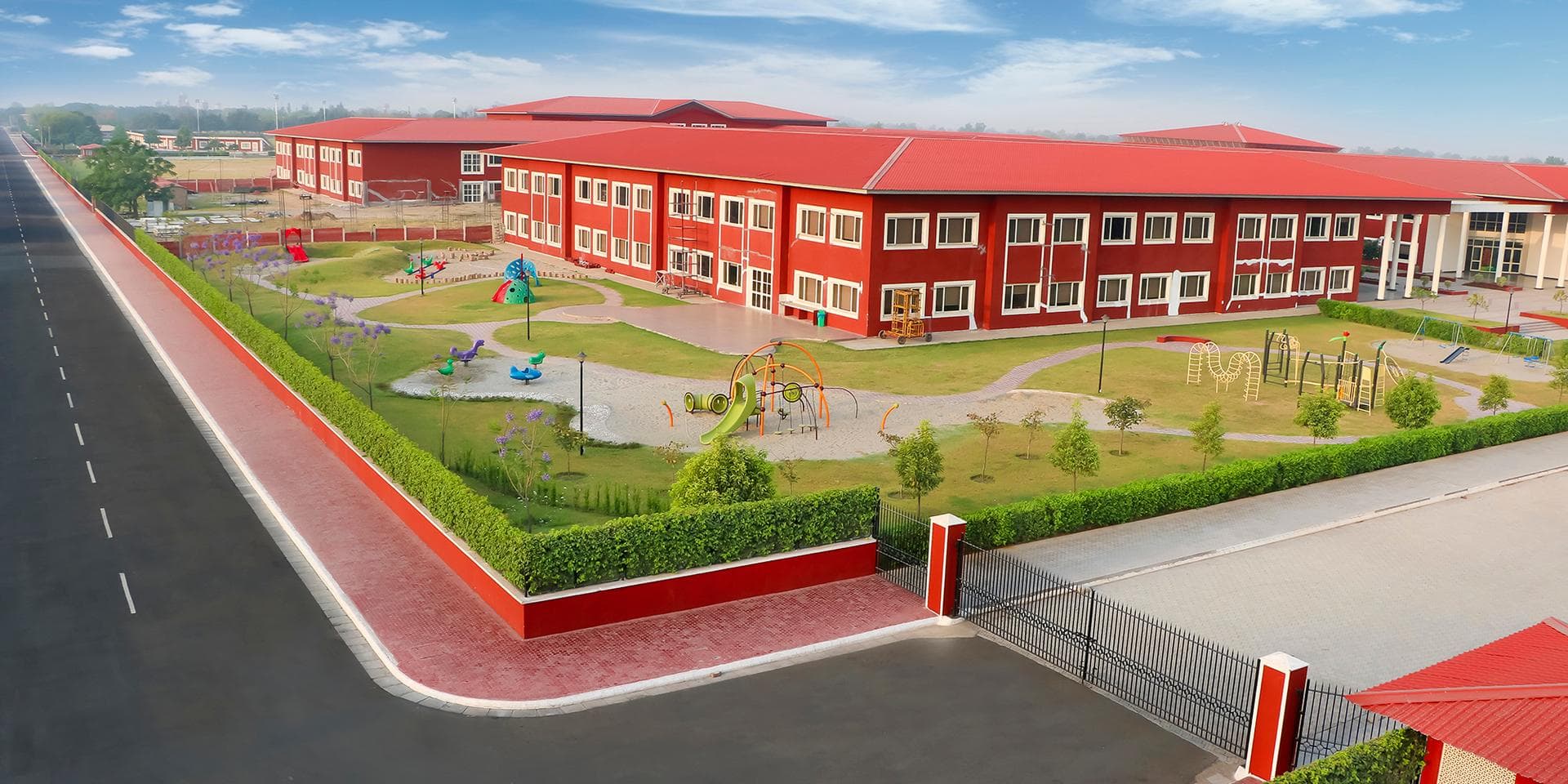
Moreover, outdoor environments provide rich opportunities for social development. Whether it's playing tag with friends, cooperating on a sandbox project, or sharing a swing, children learn valuable social cues, negotiation skills, and empathy. At Pathseekers School, our expansive playgrounds and green spaces are designed to encourage such interactions, recognizing that these experiences are fundamental to developing well-adjusted individuals. The simple act of breathing fresh air and feeling the sun on their skin connects children to the natural world, fostering a sense of wonder and appreciation for their environment. A related topic worth checking out is Choosing The Best Commercial Door Locksmith Near Me In 2026.
How Much Screen Time is Too Much? Age-Appropriate Guidelines
Determining the right amount of screen time for children is a common concern for parents. Leading health organizations, such as the World Health Organization (WHO) and the American Academy of Pediatrics (AAP), offer valuable guidelines based on extensive research. For children under 18 months, screen time (other than video chatting with family) is generally discouraged. The developing brains of infants and toddlers benefit most from direct interaction with caregivers and exploration of their physical environment, which are crucial for cognitive and emotional growth.
For children aged 18-24 months, limited screen time for educational programming when a parent is present to co-view and explain is acceptable. As children reach preschool age (2-5 years), experts recommend no more than one hour per day of high-quality educational programming. This limited exposure allows them to engage with learning content without displacing essential playtime, reading, and social interaction. Parents should always prioritize content that is interactive, engaging, and specifically designed for their child's developmental stage. For practical tips, see this guide on AI in education.
For school-aged children (6 years and older), setting consistent limits on screen time is crucial, though there isn't a strict universal number. Instead, the focus shifts to ensuring screen time does not interfere with adequate sleep, physical activity, schoolwork, and family time. Pathseekers School encourages parents to work with their children to establish a balanced schedule, emphasizing quality content and active engagement over passive viewing. The goal is to integrate screens thoughtfully into a child's life, rather than allowing them to dominate it.
Crafting a Family Screen Time Plan: Rules and Routines
Creating a family screen time plan is an effective way to manage digital usage and promote healthier habits. This isn't about imposing strict rules arbitrarily, but rather about involving children in the discussion and establishing clear, consistent boundaries together. A good starting point is to designate 'screen-free zones' and 'screen-free times.' For example, many families find success by making meal times and bedrooms screen-free areas, fostering better communication and promoting restful sleep.
Establishing daily or weekly time limits for recreational screen use can also be very helpful. Using timers or parental control features on devices can help enforce these limits gently and consistently. It's important to differentiate between screen time for schoolwork or educational purposes and screen time for entertainment. For instance, a child researching a project for their CBSE science class might need more computer time than they would for playing a video game. Clear communication about these distinctions prevents confusion and ensures fairness. If this interests you, also read about wellness programs.
A family plan should also include expectations for screen content. Parents should review apps, games, and shows before allowing children to use them, ensuring they are age-appropriate and align with family values. Regularly checking in with children about what they are watching or playing can open up conversations about digital citizenship and online safety. At Pathseekers School, we advocate for these proactive discussions, helping children understand the 'why' behind the rules and empowering them to make responsible choices even when parents aren't around.
Making Outdoor Play Exciting: Beyond the Playground
Encouraging outdoor play doesn't always have to mean a trip to a traditional playground. There are countless creative ways to make outdoor activities exciting and engaging for children of all ages. Simple activities like nature walks can become thrilling adventures when kids are encouraged to collect leaves, identify birds, or look for specific types of insects. Turning these observations into a 'nature journal' or a 'scavenger hunt' adds an element of purpose and fun, transforming a simple walk into an educational expedition.
Gardening is another fantastic outdoor activity that teaches children about nature, responsibility, and patience. Even a small pot on a balcony can become a mini-garden where kids can plant seeds, water them, and watch them grow. This hands-on experience connects them to the food they eat and the environment. Sports, of course, are a classic way to get active. Whether it's kicking a football, learning to cycle, or playing badminton, team sports and individual activities help develop physical skills and teamwork. Pathseekers School emphasizes a wide range of sports to cater to diverse interests. This is closely related to wellness programs — a must-read for parents.
Moreover, simply allowing children unstructured free play outdoors is incredibly valuable. Give them props like balls, frisbees, hula hoops, or even just sticks and stones, and watch their imaginations soar. They might build a den, create an imaginary world, or invent new games. This kind of spontaneous play fosters creativity, problem-solving, and independence. Remember, the goal is to make outdoor time an appealing and regular part of their day, showing them that the world beyond the screen holds endless possibilities for fun and discovery.
Leveraging Technology for Good: Smart Screen Time Choices
While balancing screen time with outdoor play is crucial, it's also important to acknowledge that technology, when used wisely, can be a powerful tool for learning and enrichment. The key lies in making 'smart screen time choices' that complement, rather than detract from, a child's holistic development. Educational apps and interactive platforms can bring subjects to life, offering dynamic ways to learn about science, mathematics, languages, and history. Many CBSE-aligned resources are available online, providing supplementary learning opportunities.
For instance, virtual field trips can transport children to ancient pyramids, deep oceans, or even outer space, broadening their horizons without leaving home. Documentaries about wildlife, geography, or historical events can spark curiosity and provide a visual understanding that textbooks alone might not capture. These types of screen time are active and engaging, requiring children to think, analyze, and absorb information, making them far more beneficial than passive entertainment. You might also enjoy reading about Indias Thriving Maritime Industry A New Era Of Global Trade .
Furthermore, technology can be used to plan and enhance outdoor activities. Children can use apps to identify constellations during a stargazing night, learn about local flora and fauna, or even map out a hiking trail. This integration demonstrates that screens and nature don't have to be mutually exclusive but can work together to enrich experiences. At Pathseekers School, we teach our students digital literacy skills, empowering them to use technology responsibly and purposefully, understanding that it's a tool to be mastered, not a master to be served.
The Role of Pathseekers School: Fostering Holistic Development
At Pathseekers School in Beas, Punjab, we are deeply committed to fostering holistic development, recognizing that a child's growth encompasses intellectual, physical, emotional, and social dimensions. Our educational approach, aligned with CBSE guidelines, actively promotes a healthy balance between academic rigor and physical activity. We believe that learning extends far beyond the classroom walls, and our campus is designed to encourage exploration and engagement with the natural world. Learn more about What Makes A Social Media Post Visually Effective to expand your understanding.
We boast state-of-the-art sports facilities, including extensive playgrounds, courts for various sports, and dedicated areas for physical education classes. Our students participate in a wide array of sports, from football and basketball to athletics and yoga, ensuring that every child finds an activity they enjoy. These programs are not just about winning; they are about teamwork, discipline, resilience, and the sheer joy of movement. Regular sports days and inter-house competitions are highlights of our school calendar, celebrating physical prowess and healthy competition.
Beyond organized sports, Pathseekers School integrates nature into learning through initiatives like eco-clubs, gardening projects, and outdoor science experiments. We encourage students to observe, question, and appreciate their environment, aligning with CBSE's emphasis on experiential learning. By providing ample opportunities for both structured physical activity and unstructured outdoor play, we ensure that our students develop strong bodies and minds, ready to navigate the challenges of the modern world with confidence and vitality.
Parental Guidance and Leading by Example: Be the Role Model
Parents are the primary role models for their children, and their own habits significantly influence a child's behavior. When it comes to screen time and outdoor play, leading by example is perhaps the most powerful tool a parent possesses. Children observe everything their parents do; if parents are constantly glued to their phones or laptops, children are likely to mimic that behavior. Conversely, if parents prioritize family time outdoors or engage in screen-free activities, children will learn to value those experiences too. A related topic worth checking out is Unveiling The Neural Frontier Of Seo A Futuristic Odyssey B7.
This means being mindful of your own screen usage. Try to put away your phone during family meals, dedicate specific times for screen-free interaction, and actively participate in outdoor activities with your children. Go for a walk together, play a game in the park, or simply sit outside and read. These shared experiences not only encourage healthy habits but also strengthen family bonds and create lasting memories. Your active involvement shows your children that these activities are important and enjoyable.
Open and honest communication about screen time rules is also vital. Explain the 'why' behind the limits – how too much screen time can affect their eyes, sleep, or ability to play with friends. Listen to their perspectives and involve them in setting boundaries, making them feel heard and respected. By demonstrating healthy digital habits and enthusiastically embracing outdoor adventures, parents at Pathseekers School and beyond can effectively guide their children towards a balanced and fulfilling lifestyle, preparing them for a future where both technology and nature play crucial roles.
Conclusion: A Balanced Future for Our Children
Achieving a harmonious balance between screen time and outdoor play is one of the most significant parenting challenges of our era. It’s not about choosing one over the other, but rather about thoughtfully integrating both into a child's life in a way that promotes optimal development. We've explored how understanding the different facets of screen time, from educational tools to passive entertainment, is crucial. Simultaneously, we've reaffirmed the irreplaceable physical, mental, and social benefits that only outdoor play can provide, from building strong bodies to fostering creative minds. For practical tips, see this guide on learning techniques.
By implementing age-appropriate guidelines, crafting a family screen time plan, and making outdoor activities exciting, parents can actively shape their children's habits. Leveraging technology for educational purposes, rather than just entertainment, offers a smart way to use screens productively. At Pathseekers School, we are proud to be a part of this journey, providing a supportive environment that champions holistic growth through robust physical education programs, nature-based learning, and responsible digital literacy, all aligned with the comprehensive CBSE curriculum.
Ultimately, the goal is to empower our children to thrive in a world that is increasingly digital yet still deeply rooted in the physical and natural realms. By being mindful role models and engaging actively with our children, we can guide them towards a balanced lifestyle that prioritizes health, happiness, and curiosity. Let us encourage them to explore the wonders of both the virtual and the real world, ensuring they grow into well-adjusted, resilient, and resourceful individuals ready to embrace all that life has to offer. The future of our children depends on this thoughtful balance.
Recommended Reading & Resources
Explore these related articles and resources to deepen your understanding of this topic:
- Beyond The Nexus Unveiling The Paradox Of Artificial Intelli
- Key Questions To Ask Before Choosing A Benefits Provider
- Indias Latest Breakthrough In Electric Vehicles A New Era Of
- Indias Latest Breakthrough In Biotechnology A New Era Of Med
- Indias Latest Breakthrough In Biotechnology A New Era Of Med
- Indias Latest Initiative Harnessing The Power Of Artificial
- Revolutionizing The Modern Workforce The Rise Of Ai M6467
- smart classrooms
- Unveiling The Mystique Of Boat Stones A Comprehensive Guide
- Revolutionizing Creativity How Generative Ai Is Changing Des
Published by Pathseekers School, Beas — A leading CBSE school in Amritsar, Punjab.
More articles on our official portal