Beat Exam Stress: Practical Tips for CBSE Board Students

Understanding Exam Stress: A Common Challenge for CBSE Students
Exam periods can be a time of significant pressure for students, especially those preparing for their CBSE Board examinations. The sheer volume of syllabus, the high expectations from parents and teachers, and the competitive environment can often lead to feelings of anxiety and stress. It's crucial for students to understand that experiencing some level of stress is natural; it can even be a motivator. However, when stress becomes overwhelming, it hinders performance, affects mental well-being, and can make the entire learning process feel like a burden instead of an opportunity for growth. Recognizing the signs of excessive stress is the first step towards managing it effectively.
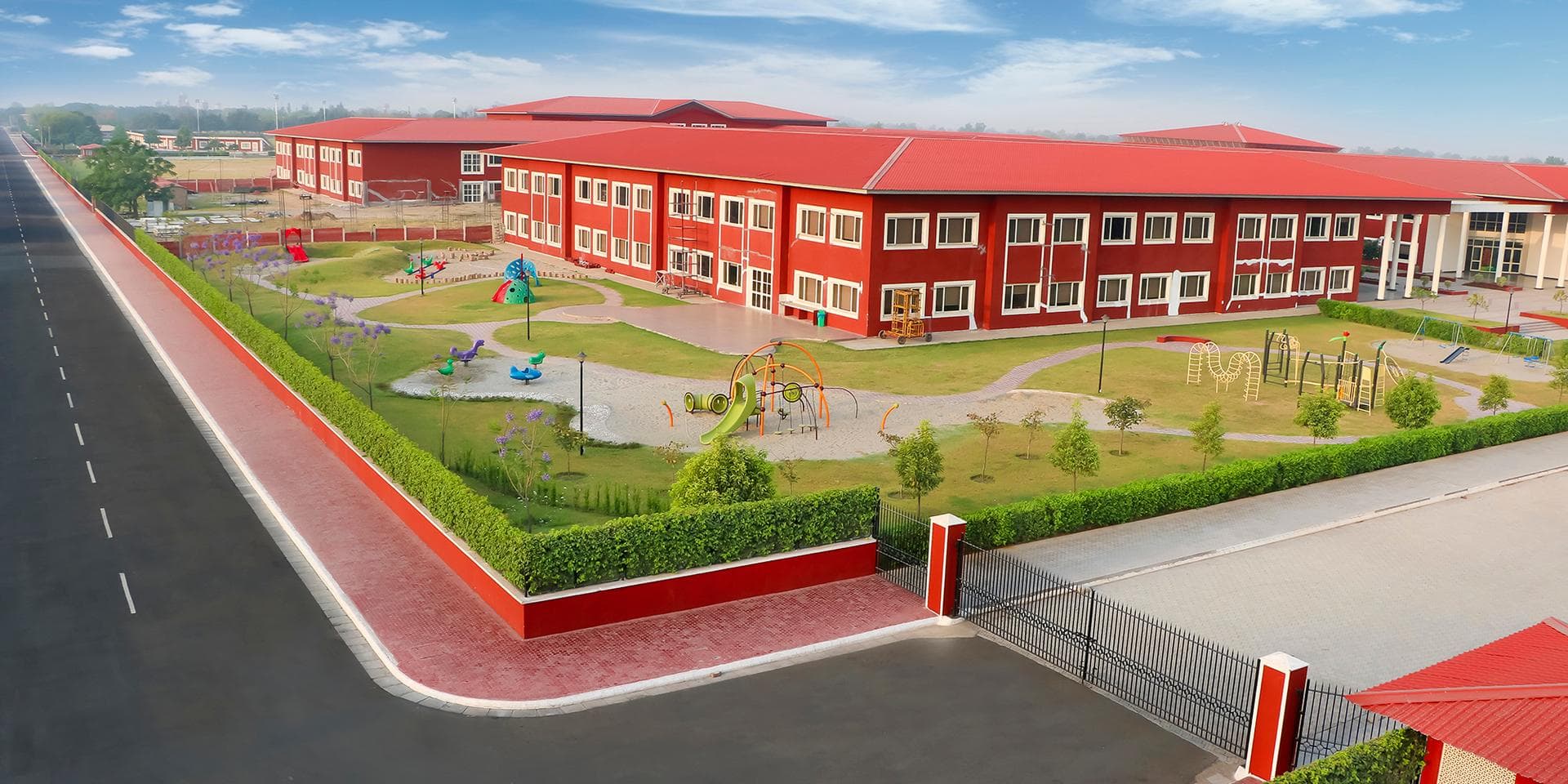
At Pathseekers School in Beas, Punjab, we often observe students grappling with these pressures. We believe that addressing exam stress is not just about scoring well, but about fostering a healthy and balanced approach to education and life. Many students report physical symptoms like headaches, sleeplessness, or loss of appetite, alongside emotional symptoms such as irritability, constant worry, or a feeling of helplessness. These indicators should not be ignored. Instead, they should prompt a review of study habits, lifestyle choices, and stress management techniques, ensuring that students can approach their exams with a clear mind and a positive outlook.
The CBSE curriculum, while comprehensive and challenging, is also designed to promote holistic development. Our goal at Pathseekers School is to empower our students not just with academic knowledge, but also with the life skills needed to navigate challenges like exam stress. We encourage an open dialogue about these feelings, helping students realize that they are not alone and that there are many practical steps they can take. By understanding the roots of their anxiety and adopting proactive strategies, students can transform their exam preparation into a more manageable and even enjoyable experience, leading to better results and greater personal satisfaction. You might also enjoy reading about exam tips.
The Power of Early and Consistent Preparation: Building a Strong Foundation
One of the most effective ways to reduce exam stress is to start preparing early and maintain consistency throughout the academic year. Procrastination is a major contributor to last-minute panic and overwhelming stress. When students leave vast portions of the syllabus untouched until the final weeks, the pressure to cover everything quickly becomes immense. This often leads to superficial learning, poor retention, and heightened anxiety. Beginning your study journey well in advance allows for a more relaxed pace, deeper understanding of concepts, and ample time for revision and clarification of doubts, which is especially important for subjects like Mathematics and Science in the CBSE curriculum.
Consistent effort means dedicating a fixed amount of time each day or week to your studies, rather than cramming irregularly. For instance, studying for 1-2 hours daily from the beginning of the session is far more beneficial than trying to study for 8-10 hours in the month before exams. This steady approach helps build a strong foundation, making complex topics seem less daunting over time. It also allows the brain to process and store information more effectively, improving long-term memory. At Pathseekers School, our teachers emphasize the importance of regular homework, assignments, and class participation as part of this consistent preparation strategy, reinforcing learning incrementally.
Early preparation also provides the luxury of flexibility. If you fall ill, have a family event, or encounter a particularly challenging topic that requires more time, an early start means you have a buffer. You won't feel the crushing pressure of falling behind. This steady, well-paced approach reduces the feeling of being rushed and ensures that you have thoroughly grasped all concepts, from the basics to advanced topics across all subjects, be it Social Science, Languages, or Electives. This proactive mindset not only lowers stress but also significantly boosts confidence, making the actual exam period feel less like a sprint and more like the final leg of a well-run marathon. Learn more about exam tips to expand your understanding.
Effective Study Techniques for CBSE Boards: Beyond Rote Learning
Merely reading textbooks is often not enough to prepare effectively for CBSE Board exams. Students need to employ active and engaging study techniques that promote deeper understanding and better retention. One highly effective method is 'active recall,' where instead of passively re-reading notes, you actively test yourself on what you've learned. This could involve closing your book and trying to explain a concept aloud, writing down everything you remember about a topic, or using flashcards. This technique strengthens memory pathways and highlights areas where your understanding might be weak, allowing you to focus your efforts more efficiently.
Another powerful technique is 'spaced repetition,' which involves reviewing material at increasing intervals over time. Instead of trying to memorize everything in one go, you revisit topics after a day, then a few days, then a week, and so on. This method leverages how our brain forgets and remembers information, making learning more efficient and long-lasting. For subjects like History or Biology, which involve many facts and definitions, spaced repetition can be incredibly beneficial. Pathseekers School encourages students to create their own revision schedules that incorporate this principle, ensuring that no topic is truly forgotten by the time exams arrive.
Furthermore, incorporating 'mind mapping' can be an excellent way to organize information visually and understand the connections between different concepts. Instead of linear notes, a mind map allows you to see the bigger picture and how various sub-topics relate to the main theme. For subjects like Physics or Chemistry, where understanding relationships between formulas and theories is key, mind maps can simplify complex information. Teaching the material to someone else, even an imaginary audience, is also a fantastic way to solidify your own understanding. These active learning strategies move beyond simple rote memorization, building true comprehension and reducing the anxiety that comes from superficial knowledge. A related topic worth checking out is board exams.
Crafting a Realistic Study Timetable: Your Roadmap to Success
A well-structured and realistic study timetable is an indispensable tool for managing exam stress. It brings order to what might feel like a chaotic period and helps you visualize your progress. When creating your timetable, it's essential to be honest about your capacity and commitments. Don't create an overly ambitious schedule that you can't adhere to; this will only lead to frustration and a sense of failure. Instead, break down your entire CBSE syllabus into smaller, manageable chunks and allocate specific time slots for each subject and topic, considering your personal strengths and weaknesses. For example, if you find Math challenging, dedicate more time to it.
Your timetable should not only include study blocks but also incorporate essential breaks, meal times, and dedicated slots for physical activity or hobbies. Studying continuously without breaks is counterproductive; short breaks every 45-60 minutes can significantly improve focus and prevent burnout. At Pathseekers School, we advise students to schedule 'buffer time' as well, which can be used to catch up on missed topics or revisit challenging areas. This flexibility ensures that minor disruptions don't derail your entire plan, reducing a significant source of stress. For practical tips, see this guide on learning methods.
Regularly review and adjust your timetable as needed. What works in the initial weeks might need tweaking closer to the exams. Perhaps you've completed a particular chapter faster than anticipated, or another subject requires more attention. Being adaptable is key. Display your timetable prominently in your study space, and try your best to stick to it. The sense of accomplishment you get from ticking off completed tasks can be incredibly motivating and a powerful antidote to stress. A realistic timetable transforms the daunting task of exam preparation into a series of achievable goals, making the journey feel much more manageable.
The Importance of a Healthy Body and Mind: Fueling Your Preparation
While academic preparation is paramount, neglecting your physical and mental well-being during exam season is a common mistake that can exacerbate stress. A healthy body and mind are crucial for optimal cognitive function, memory retention, and overall resilience. Prioritizing adequate sleep is non-negotiable. Many students sacrifice sleep to cram more, but this often backfires, leading to fatigue, reduced concentration, and impaired ability to recall information during exams. Aim for 7-8 hours of quality sleep each night. Establish a consistent sleep schedule, even on weekends, to regulate your body's internal clock and ensure you wake up feeling refreshed and ready to learn.
Nutrition also plays a vital role. Your brain needs proper fuel to function effectively. Opt for a balanced diet rich in fruits, vegetables, whole grains, and lean proteins. Avoid excessive sugar, caffeine, and processed foods, which can lead to energy crashes and increased anxiety. Staying hydrated by drinking plenty of water throughout the day is equally important. A well-nourished body and mind can better cope with stress, maintain focus during long study sessions, and perform optimally during the actual CBSE examinations. Parents at Pathseekers School are encouraged to provide nutritious meals and snacks to support their children's well-being during this critical time. If this interests you, also read about online learning.
Incorporating regular physical activity, even just for 30 minutes a day, can significantly reduce stress levels. Exercise releases endorphins, natural mood lifters, and helps clear your mind. It doesn't have to be an intense workout; a brisk walk, jogging, yoga, or playing a sport can be incredibly beneficial. Even short stretching breaks during study sessions can improve blood circulation and reduce muscle tension. Remember, your physical health directly impacts your mental health. By taking care of your body, you're investing in your ability to handle stress, think clearly, and perform your best, making the entire exam journey smoother and more successful.
Mastering Revision and Practice Papers: Sharpening Your Skills
Once you've covered the syllabus, effective revision and consistent practice are the keys to solidifying your knowledge and building confidence. Merely reviewing notes is not enough; you need to actively test your understanding. Solving previous years' CBSE Board question papers and sample papers is an invaluable strategy. This not only familiarizes you with the exam pattern, marking scheme, and types of questions asked but also helps you identify your strong and weak areas. Treat these papers as actual exams: sit in a quiet environment, adhere to the time limits, and use only approved materials. This simulates the real exam environment and helps you manage time effectively.
After attempting a practice paper, it's crucial to thoroughly evaluate your answers. Don't just look at the score; analyze where you made mistakes. Was it a conceptual error, a silly calculation mistake, or poor time management? Understanding the 'why' behind your errors is more important than just identifying the error itself. For example, if you consistently struggle with a particular type of problem in Physics or a specific grammar rule in English, you know exactly where to focus your revision efforts. This targeted approach makes your study time more efficient and reduces the anxiety of facing unknown challenges in the actual exam. This is closely related to exam preparation — a must-read for parents.
At Pathseekers School, we integrate regular mock tests into our academic calendar, especially for students in Class 10 and 12, to provide ample opportunity for this crucial practice. These mock tests are designed to mirror the CBSE Board exams as closely as possible, giving students a realistic preview and helping them refine their exam-taking strategies. The feedback provided by teachers after these tests is invaluable for students to understand their progress and areas needing improvement. Consistent practice not only sharpens your academic skills but also builds your confidence, making you feel more prepared and less stressed when the actual examination day arrives.
Developing a Positive Mindset and Self-Belief: Your Inner Strength
Exam stress is often exacerbated by negative self-talk, self-doubt, and the fear of failure. Cultivating a positive mindset and strong self-belief is a powerful tool in combating these anxieties. Remind yourself of your past achievements and the hard work you've put in throughout the year. Instead of focusing on what you might not know, concentrate on the vast amount of knowledge you have acquired. Believe in your ability to perform well, even when faced with challenges. A positive attitude can transform the daunting task of exams into a manageable series of steps, making the entire process less stressful and more empowering.
Practice positive affirmations daily. Simple phrases like “I am prepared,” “I can do this,” or “I will do my best” can significantly shift your internal dialogue from negative to positive. Surround yourself with positive influences – friends, family, and teachers who uplift and encourage you. Avoid comparing yourself to others, as everyone's learning journey is unique. Your progress is your own, and focusing on personal improvement rather than external comparisons will reduce unnecessary pressure. Pathseekers School emphasizes character building and resilience, teaching students that setbacks are opportunities for growth, not definitions of their worth. You might also enjoy reading about exam tips.
Visualizing success can also be a potent technique. Spend a few minutes each day imagining yourself calm and confident during the exam, successfully answering questions, and feeling satisfied with your performance. This mental rehearsal can help program your mind for success and reduce anxiety. Remember that exams are just one measure of your abilities; they do not define your entire future or your worth as an individual. By fostering a mindset of self-belief and optimism, you not only reduce stress but also enhance your overall well-being, allowing you to approach the CBSE Board exams with greater clarity, focus, and confidence.
Stress-Busting Techniques for Before and During Exams: Staying Calm Under Pressure
Even with thorough preparation, nerves can sometimes get the better of students right before or during an exam. Learning quick stress-busting techniques can make a significant difference in maintaining composure and performing optimally. One of the simplest yet most effective methods is deep breathing. If you feel a wave of panic, take a few slow, deep breaths. Inhale deeply through your nose, hold for a few seconds, and exhale slowly through your mouth. This technique calms your nervous system, reduces heart rate, and brings more oxygen to your brain, helping you think clearly. Practice this technique regularly so it becomes second nature during stressful moments. Learn more about exam strategy to expand your understanding.
Before entering the examination hall, avoid last-minute cramming, which can heighten anxiety. Instead, take a short walk, listen to calming music, or engage in a light conversation to relax your mind. Arrive early to avoid rushing, which can add unnecessary stress. Once you receive your question paper, take a moment to read through it entirely before attempting any questions. This helps you plan your time effectively and identify questions you feel most confident about, allowing you to start strong and build momentum. At Pathseekers School, we advise students to use the initial 15 minutes of reading time wisely, rather than jumping straight into writing.
During the exam, if you encounter a particularly difficult question, don't dwell on it. Mark it and move on to questions you can answer. Returning to challenging questions later with a fresh perspective can often lead to a solution. Remember, it's okay not to know every single answer, and getting stuck on one question can waste valuable time and increase stress. Keep an eye on the clock, but don't obsess over it. Trust in your preparation, maintain a steady pace, and remind yourself to stay calm. These simple techniques can empower you to manage pressure effectively and showcase your true potential in your CBSE Board exams.
The Role of Parents and School Support: A Unified Front
While students bear the primary responsibility for their studies, the support system provided by parents and the school environment is crucial in mitigating exam stress. Parents can create a calm and encouraging home atmosphere, free from undue pressure or constant comparisons. Instead of focusing solely on marks, acknowledge and appreciate your child's efforts and hard work. Provide nutritious meals, ensure they get adequate sleep, and encourage them to take regular breaks and engage in physical activity. A supportive home environment helps children feel secure and understood, making them more resilient to academic pressures. Regular, open communication about their feelings is also vital. A related topic worth checking out is exam preparation.
At Pathseekers School in Beas, Punjab, we believe in a collaborative approach to student well-being. Our dedicated teachers and counselors are always available to offer academic guidance, clarify doubts, and provide emotional support. We organize workshops on stress management, time management, and effective study techniques for our students. We also maintain open channels of communication with parents through regular parent-teacher meetings and dedicated counseling sessions, ensuring that any concerns about a student's stress levels are addressed promptly and effectively. Our aim is to foster an environment where students feel safe to express their anxieties and seek help without hesitation.
Schools can also play a pivotal role by ensuring that the curriculum delivery is paced appropriately, allowing students ample time to grasp concepts and revise. Providing access to quality study materials, well-structured mock tests, and constructive feedback further aids in reducing student anxiety. When parents and the school work together, they form a unified front that effectively supports students through the challenging exam period. This collaborative effort helps students feel secure, valued, and well-equipped to face their CBSE Board exams, knowing they have a strong network of support behind them, ultimately leading to reduced stress and improved performance.
Beyond Exams: Learning for Life and Future Pathways
It is essential for students, parents, and educators to remember that CBSE Board exams, while important, are not the sole determinant of a student's future or worth. Placing an excessive, all-consuming focus on exam results can inadvertently increase stress and overshadow the broader purpose of education. The true value of schooling lies in the knowledge gained, the skills developed, the character built, and the love for learning fostered throughout the academic journey. Exams are merely one checkpoint in a much longer and richer path of personal and intellectual growth. Maintaining this perspective can significantly alleviate the intense pressure often associated with board examinations. For practical tips, see this guide on exam tips.
At Pathseekers School, we strive to instill in our students a passion for lifelong learning and a holistic understanding of success. We encourage them to explore their interests beyond the curriculum, participate in co-curricular activities, develop critical thinking skills, and cultivate empathy and resilience. These qualities are often more valuable in navigating life's complexities than a single exam score. We educate our students that while striving for excellence in academics is commendable, it should not come at the cost of their mental health or overall well-being. The skills learned in managing exam stress – discipline, time management, self-care – are life skills that will serve them well far beyond the examination hall.
Therefore, after the exams are over, encourage reflection, not just on the results, but on the effort put in and the lessons learned. Celebrate the completion of a significant milestone, regardless of the outcome. Remind students that many pathways exist for a fulfilling future, and one set of exam results does not close all doors. Embrace the idea that education is a continuous journey of discovery and self-improvement. By adopting this broader perspective, students can approach their CBSE Board exams with a healthier mindset, less stress, and a deeper appreciation for the learning process itself, preparing them not just for the next academic step, but for a successful and balanced life ahead.
Recommended Reading & Resources
Explore these related articles and resources to deepen your understanding of this topic:
Published by Pathseekers School, Beas — A leading CBSE school in Amritsar, Punjab.
More articles on our official portal