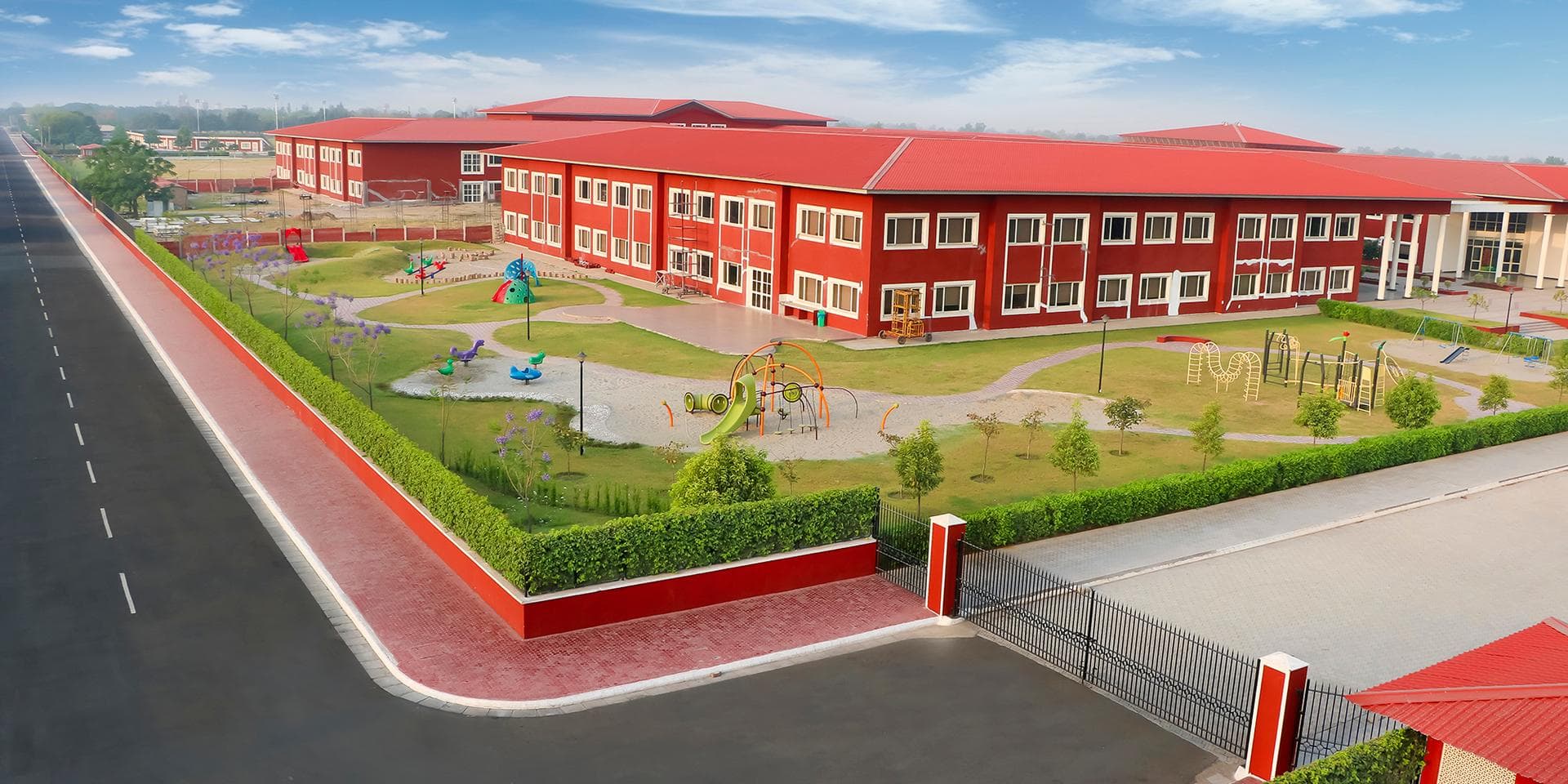
Beyond Books: Why Co-Curricular Activities Build Future Leaders

1. Introduction: Beyond Textbooks – The Path to Wholeness
At Pathseekers School, located amidst the serene landscapes of Beas, Punjab, we firmly believe that true education extends far beyond the confines of textbooks and examination halls. While academic excellence remains a cornerstone of our philosophy, we understand that nurturing a child's complete personality requires a broader approach. Our vision is to cultivate not just scholars, but well-rounded individuals who are prepared to navigate the complexities of life with confidence, creativity, and compassion. This holistic perspective is central to every aspect of a student's journey with us, ensuring they grow in every dimension.
The modern educational landscape, particularly within the progressive framework of the CBSE curriculum, emphasizes the importance of 'all-round development.' This isn't just a buzzword; it's a fundamental recognition that children need diverse experiences to unlock their full potential. It means fostering intellectual prowess alongside emotional maturity, physical fitness, social responsibility, and creative expression. Ignoring any of these facets would be akin to building a house with a strong foundation but weak walls – it simply wouldn't stand strong against the tests of time and challenges. Therefore, we integrate various learning opportunities.
This blog post aims to shed light on a crucial component of this comprehensive development: co-curricular activities (CCAs). Often seen as 'extra' activities, CCAs are, in fact, integral to a student's growth. We will explore in detail why these activities are not merely optional pastimes but essential tools that shape character, build skills, and prepare children for a successful future. Join us as we delve into the profound impact of CCAs and how Pathseekers School champions their role in every student's educational journey, ensuring they thrive both inside and outside the classroom. You might also enjoy reading about overall development.
2. Defining Co-Curricular Activities: What Exactly Are We Talking About?
Before we delve into the myriad benefits, let's clarify what we mean by co-curricular activities. Simply put, CCAs are structured learning experiences that happen alongside, but outside the scope of, the regular academic curriculum. They are designed to complement classroom learning by providing practical application, skill development, and opportunities for exploration in areas not typically covered in core subjects. These activities are not random play; rather, they are thoughtfully planned and integrated into the school's overall educational framework, ensuring they align with our goals for student development.
The spectrum of co-curricular activities is incredibly vast and varied, catering to a wide range of interests and talents. At Pathseekers School, for instance, this includes everything from team sports like football, basketball, and athletics, to performing arts such as drama, music, and dance. We also offer clubs focused on specific interests like debate, robotics, environmental awareness, chess, photography, and various art forms. Community service initiatives, school publications, and leadership programs also fall under this umbrella, providing diverse avenues for students to engage and grow, fostering a vibrant and dynamic learning environment for all.
It's important to understand that CCAs are distinct from 'extra-curricular' activities, which might be pursued entirely outside the school's purview. Co-curricular activities are school-sanctioned and often integrated into the school timetable or after-school programs, making them accessible to all students and ensuring their educational value. They are not merely distractions from studies but rather powerful complements that enrich the academic experience, providing a balanced and engaging educational journey. They actively contribute to the holistic development that the CBSE curriculum champions, preparing students for life beyond school. Learn more about child development to expand your understanding.
3. Boosting Academic Performance: A Surprising Connection
It might seem counterintuitive to suggest that spending time away from textbooks can actually improve academic results, but numerous studies and our own experience at Pathseekers School confirm this surprising connection. Co-curricular activities, by their very nature, demand discipline, time management, and focus. A student involved in a debate club learns critical thinking and research skills, which directly translate to better essay writing and analytical abilities in subjects like English and Social Studies. Similarly, a student committed to a sports team develops routines, perseverance, and goal-setting, all of which are invaluable for academic success.
Consider the example of a student participating in the school's science club, building a model rocket or programming a small robot. This hands-on experience not only makes scientific concepts more tangible and exciting but also hones problem-solving skills and logical reasoning. These are precisely the higher-order thinking skills that the CBSE curriculum encourages and assesses. The engagement and practical application gained through CCAs often ignite a deeper curiosity for learning, making academic subjects less abstract and more relevant. Students who are passionate about their CCAs often bring that same enthusiasm back to their classroom studies, creating a positive feedback loop.
Furthermore, a balanced life that includes physical activity and creative outlets helps in reducing stress and preventing academic burnout. When students have opportunities to unwind, express themselves, and engage in activities they enjoy, their minds are refreshed and more receptive to learning during study hours. Improved concentration, better memory retention, and enhanced cognitive functions are all indirect benefits of a healthy, active lifestyle supported by CCAs. This holistic approach ensures that students are not just cramming information but truly understanding and applying what they learn, leading to sustained academic excellence. A related topic worth checking out is cognitive development.
4. Developing Essential Life Skills: More Than Just Grades
Beyond academic achievements, the true measure of a successful education lies in a child's ability to navigate the real world. Co-curricular activities are unparalleled in their capacity to cultivate essential life skills that are not typically taught in a classroom setting. Team sports, for instance, are a masterclass in collaboration, communication, and mutual support. Students learn to work towards a common goal, understand their role within a team, and appreciate the strengths of others, preparing them for collaborative environments in future careers and community life.
Leadership opportunities abound in CCAs, whether it's captaining a sports team, leading a club, or organizing a school event. These roles teach students how to motivate peers, make decisions under pressure, resolve conflicts, and take responsibility for outcomes. Such experiences are invaluable for developing confidence and a sense of agency. At Pathseekers School, we actively encourage students to step into leadership roles within various clubs and societies, providing them with a safe space to practice and refine these crucial skills, guided by experienced mentors who offer support and constructive feedback. For practical tips, see this guide on child development.
Moreover, CCAs significantly enhance communication skills. Participating in debates, drama productions, or public speaking contests hones articulation, active listening, and persuasive abilities. Even seemingly simple activities like organizing a school fair require students to communicate effectively with peers, teachers, and external vendors. These are practical, real-world communication scenarios that build fluency and confidence far beyond what a textbook can offer. These communication competencies are foundational for success in any field, making students articulate and effective in expressing their ideas and opinions.
5. Fostering Creativity and Innovation: Unleashing Hidden Talents
In a world that increasingly values innovation and original thinking, fostering creativity in children is paramount. Co-curricular activities provide a vital platform for students to explore their creative impulses and develop innovative solutions. Art clubs, music lessons, dance classes, and drama productions offer unique avenues for self-expression, allowing students to tap into their imagination and translate ideas into tangible forms. These activities are not just about producing a performance or a piece of art; they are about nurturing a mindset that is open to new ideas and unconventional approaches, pushing the boundaries of conventional thought.
At Pathseekers School, we understand that creativity isn't confined to the arts. Science clubs that involve designing experiments, robotics teams that build and program machines, or even literary clubs that encourage creative writing and storytelling, all contribute to fostering an innovative spirit. Students learn to think critically, experiment with different approaches, and embrace failure as a part of the learning process. This encourages a spirit of inquiry and a willingness to take calculated risks, which are crucial for innovation in any field, from technology to entrepreneurship and beyond, preparing them for a dynamic future. If this interests you, also read about child development.
These activities often uncover hidden talents and passions that might otherwise remain dormant. A child who struggles with traditional academic subjects might excel on the sports field or shine on stage, boosting their overall self-worth and providing a sense of accomplishment. Providing diverse creative outlets ensures that every student has an opportunity to discover what truly excites them, fostering a lifelong love for learning and self-improvement. This exploration of personal interests helps students understand themselves better and develop a unique identity, contributing significantly to their personal growth and future aspirations.
6. Building Confidence and Self-Esteem: Believing in Oneself
One of the most profound impacts of co-curricular activities is their ability to significantly boost a child's confidence and self-esteem. Achieving success, no matter how small, in an area outside of academics can provide an incredible sense of accomplishment. A student who scores a goal in a football match, successfully delivers a speech, or masters a new instrument feels a surge of pride and capability that transcends the classroom. These successes build a reservoir of self-belief that empowers them to tackle new challenges, both in and out of school, with greater courage and determination.
CCAs also provide safe environments for students to overcome fears and push their boundaries. Performing in front of an audience, whether it's a play, a musical recital, or a public debate, can be daunting. However, with practice and the supportive encouragement of peers and teachers at Pathseekers School, students learn to manage stage fright and deliver their best. Each successful performance, each overcome challenge, reinforces the idea that they are capable, resilient, and can achieve things they once thought impossible. This gradual exposure helps them build resilience and mental fortitude, which are essential life skills. This is closely related to cognitive development — a must-read for parents.
Furthermore, being part of a club or team fosters a sense of belonging and camaraderie. Knowing that they are valued members of a group, working towards a shared goal, helps students feel connected and supported. This social validation is crucial for developing a positive self-image and feeling accepted. When students feel good about themselves and their contributions, they are more likely to engage actively in school life, take risks, and develop a positive outlook on their abilities and future prospects. This sense of community is a cornerstone of the Pathseekers experience, where every child feels seen and appreciated.
7. Promoting Physical Health and Well-being: A Sound Mind in a Sound Body
In an age where digital screens often dominate children's free time, the importance of physical activity cannot be overstated. Co-curricular activities play a vital role in promoting physical health and combating sedentary lifestyles. Engaging in sports like basketball, cricket, badminton, or even structured yoga and martial arts classes ensures that students get the necessary exercise to maintain a healthy body. Regular physical activity strengthens muscles and bones, improves cardiovascular health, and boosts overall stamina, laying the foundation for a healthy life well into adulthood.
Beyond the obvious physical benefits, these activities contribute significantly to mental well-being. Exercise is a proven stress-buster, releasing endorphins that improve mood and reduce anxiety. Participating in team sports teaches children about fair play, sportsmanship, and the importance of healthy competition, while individual activities like running or swimming can be meditative and help in developing focus and self-discipline. At Pathseekers School, our expansive sports facilities and dedicated coaches encourage every student to find a physical activity they enjoy, ensuring they remain active and healthy. You might also enjoy reading about holistic development.
A sound body is intrinsically linked to a sound mind. Children who are physically active often exhibit better concentration, improved sleep patterns, and increased energy levels, all of which positively impact their academic performance. By integrating physical education and various sports into the co-curricular framework, Pathseekers School ensures that students develop healthy habits early on, fostering a balanced approach to life that values both intellectual growth and physical vitality. This commitment to holistic health ensures our students are robust and ready to face any challenge.
8. Cultivating Social and Emotional Intelligence: Understanding Others and Ourselves
Social and emotional intelligence (EQ) is increasingly recognized as a critical factor for success in life, often more so than traditional IQ. Co-curricular activities provide a rich environment for students to develop these vital skills. Working in groups for a project, collaborating on a drama production, or resolving disagreements during a team game all teach valuable lessons in empathy, negotiation, and understanding different perspectives. Students learn to read social cues, manage their own emotions, and respond appropriately to the feelings of others, which are complex skills that develop through practical experience. Learn more about overall development to expand your understanding.
Through CCAs, students learn to navigate complex social dynamics. They encounter individuals from diverse backgrounds with different personalities, learning to appreciate diversity and build inclusive relationships. Participating in community service initiatives, for example, helps cultivate a sense of social responsibility and compassion, allowing students to understand the challenges faced by others and contribute positively to society. These experiences broaden their worldview and foster a sense of global citizenship, which is increasingly important in our interconnected world, as emphasized by the CBSE curriculum's focus on values education.
Furthermore, CCAs provide a safe space for students to experience and manage a wide range of emotions – the joy of winning, the disappointment of losing, the frustration of a challenge, and the satisfaction of overcoming obstacles. Learning to handle these emotions constructively, without letting them overwhelm, is a crucial aspect of emotional intelligence. Teachers and mentors at Pathseekers School guide students through these experiences, helping them develop resilience, self-regulation, and a healthy emotional toolkit that will serve them well throughout their lives, making them emotionally robust individuals.
9. Preparing for the Future: University and Career Readiness
In today's competitive world, universities and employers look for more than just high academic grades. They seek individuals who are well-rounded, possess a diverse skill set, and demonstrate leadership potential, critical thinking, and a strong work ethic. Co-curricular activities provide tangible evidence of these qualities. A student with a robust portfolio of CCA involvement, showcasing leadership roles, community service, and participation in various clubs, stands out significantly during college admissions and job interviews. These experiences demonstrate initiative, passion, and a commitment to personal growth beyond academics. A related topic worth checking out is overall development.
The skills developed through CCAs – teamwork, communication, problem-solving, creativity, and leadership – are precisely the '21st-century skills' that are highly valued in every profession. Whether a student aspires to be an engineer, an artist, a doctor, or an entrepreneur, the ability to collaborate effectively, articulate ideas clearly, and innovate solutions will be indispensable. The CBSE curriculum itself is evolving to emphasize skill-based learning and practical application, and CCAs are a perfect complement to this approach, providing real-world contexts for learning and development.
Moreover, CCAs often expose students to potential career paths and interests they might not have considered otherwise. A student in the robotics club might discover a passion for engineering, while participation in a debate society could spark an interest in law or public policy. These early exposures can help students make more informed decisions about their future studies and career choices, giving them a head start in planning their trajectory. At Pathseekers School, we believe in empowering students to explore their potential and prepare them for a successful and fulfilling future, whatever path they choose.
10. Pathseekers School's Commitment: Our Vision for Your Child's Future
At Pathseekers School, Beas, Punjab, our commitment to holistic development is not just a philosophy; it's embedded in the very fabric of our educational ecosystem. We understand that each child is unique, possessing distinct talents and interests, and our extensive range of co-curricular activities is designed to cater to this diversity. We provide a supportive and stimulating environment where students are encouraged to step out of their comfort zones, explore new avenues, and discover their true potential, ensuring that every child finds their niche and thrives. For practical tips, see this guide on holistic development.
Our school boasts a wide array of CCAs, carefully curated to align with the CBSE's vision of comprehensive education. Students can choose from a vibrant selection including:
- Sports: Football, Basketball, Cricket, Athletics, Yoga, Martial Arts
- Performing Arts: Drama Club, Music Choir, Dance Troupe
- Academic & Skill-based Clubs: Debate Society, Robotics Club, Science Explorer's Club, Literary Guild, Chess Club
- Creative Arts: Painting & Sketching, Sculpture, Photography Club
- Community & Environment: Eco Club, Community Service Initiatives
We firmly believe that participation in co-curricular activities is not an 'add-on' but an essential investment in a child's future. It is through these experiences that our students at Pathseekers School develop into confident, resilient, empathetic, and innovative individuals – ready to excel academically, lead ethically, and contribute meaningfully to society. We invite parents to embrace this philosophy and encourage their children to actively engage in the rich tapestry of opportunities available, ensuring they embark on a path of all-round growth and unparalleled success. Join us in shaping the leaders and thinkers of tomorrow, right here in Beas, Punjab.
Recommended Reading & Resources
Explore these related articles and resources to deepen your understanding of this topic:
Published by Pathseekers School, Beas — A leading CBSE school in Amritsar, Punjab.
More articles on our official portal