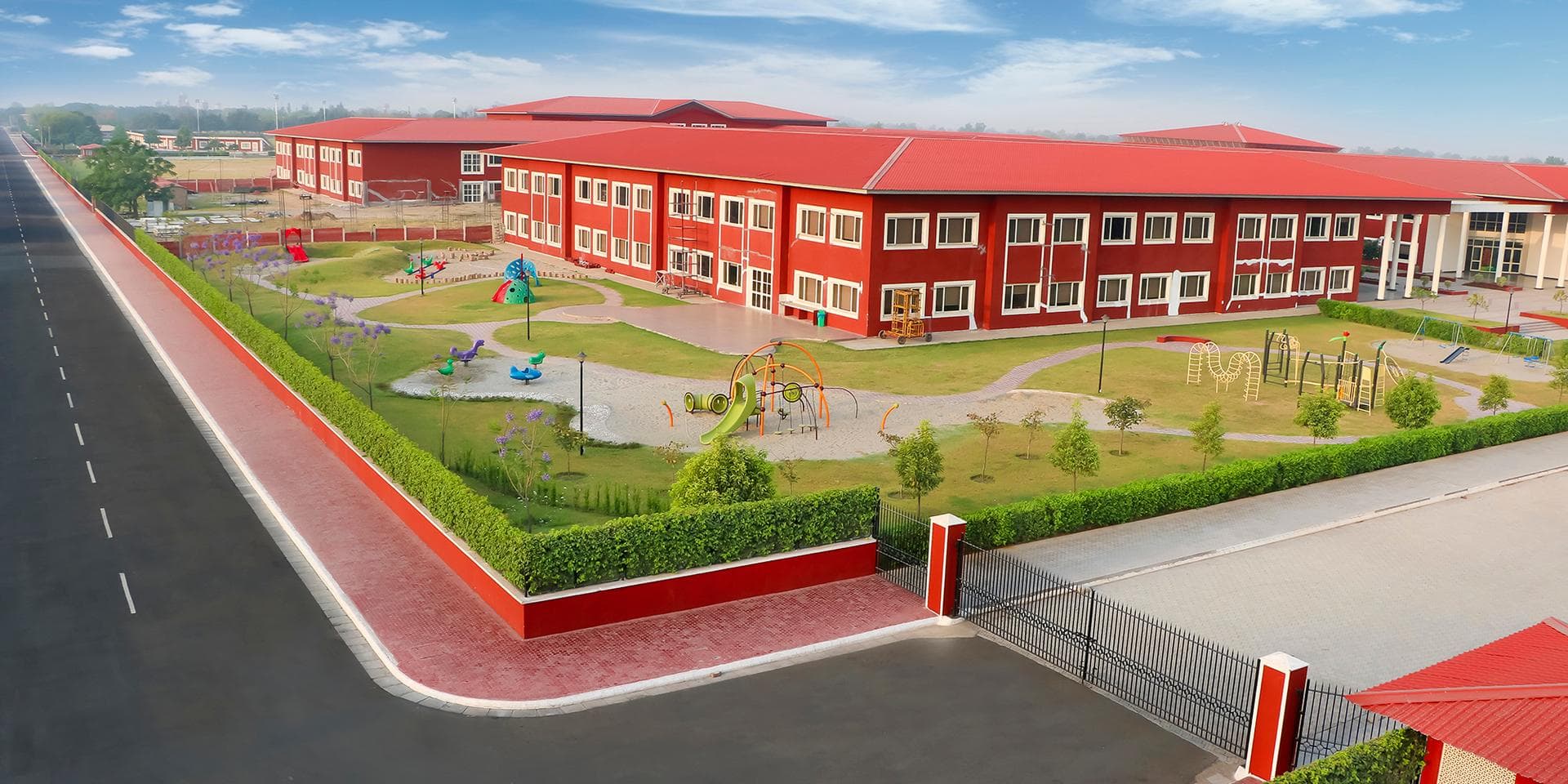
Guiding Your Teen's Emotional Well-being: A Parent's Handbook

Understanding Teen Emotional Changes: A Parent's Guide
The teenage years are a period of immense change, not just physically, but also emotionally and socially. As parents, it can sometimes feel like our children are speaking a different language, or that their moods shift like the weather. This phase, often called adolescence, is a crucial time for identity formation, where teens explore who they are and where they fit in the world. Understanding these underlying developmental shifts is the first step in providing effective emotional support, helping them navigate this complex journey with greater confidence and stability.
During these years, the brain is undergoing significant remodeling, especially the prefrontal cortex, which is responsible for decision-making, impulse control, and understanding consequences. This means teenagers might sometimes act impulsively or struggle to see long-term outcomes, leading to seemingly irrational choices or intense emotional reactions. Their emotional responses can be heightened, experiencing highs and lows more intensely than adults. Recognizing that these behaviors are often part of normal brain development can help parents approach situations with more patience and empathy, rather than frustration.
At Pathseekers School in Beas, Punjab, we understand these unique challenges and integrate emotional well-being into our holistic educational approach. We believe that a strong emotional foundation is just as important as academic excellence for a child's overall success. Our guidance counselors and teachers are trained to identify and support students through these developmental stages, working hand-in-hand with parents to create a nurturing environment both at school and at home. This collaborative effort ensures that your child feels understood, valued, and supported throughout their teenage years. You might also enjoy reading about healthy habits.
Open Communication: Building a Foundation of Trust
Establishing and maintaining open lines of communication is perhaps the most vital tool in supporting your teenager's emotional well-being. It means creating a safe space where they feel comfortable sharing their thoughts, fears, and triumphs without judgment. This isn't always easy, as teens often pull away and seek independence, but consistently offering an open door, both literally and figuratively, will signal that you are there for them whenever they are ready to talk. Regular, informal check-ins, like during a meal or a car ride, can often be more effective than a formal 'sit-down' discussion.
Building trust involves demonstrating reliability and confidentiality. When your teen shares something personal, it's important to respect their privacy, within reasonable safety limits. If you promise to keep something between you, do your best to uphold that promise. Breaking trust, even with good intentions, can make them hesitant to open up in the future. Instead of immediately offering solutions, try to first acknowledge their feelings and validate their experiences, showing them that you hear and understand their perspective, even if you don't fully agree with it.
At Pathseekers School, we encourage an environment of open dialogue between students, teachers, and parents. Our school counseling services provide a confidential space for students to discuss concerns, and we regularly host workshops for parents on effective communication strategies. We understand that teenagers often feel pressured and misunderstood, and by fostering an atmosphere of mutual respect and understanding, we help reinforce the positive communication habits that are so crucial for emotional health. This holistic approach helps bridge potential communication gaps at home. Learn more about Revolutionizing The Modern Workforce The Rise Of Ai M6467 to expand your understanding.
Active Listening: Hearing Beyond the Words
Active listening is a powerful skill that goes beyond simply hearing what your teenager is saying; it involves truly understanding their message, both spoken and unspoken. When your teen talks, put away distractions like your phone or the television, make eye contact, and give them your full attention. This dedicated focus communicates that their thoughts and feelings are important to you, making them feel valued and heard. Avoid interrupting, offering immediate advice, or dismissing their feelings, even if their problems seem small from an adult perspective.
To practice active listening, try reflecting what you hear back to them. Phrases like, “It sounds like you’re feeling really frustrated about that test,” or “So, if I understand correctly, your friends made you feel left out,” can help clarify their feelings and show them you’re processing what they’re saying. This technique also gives them an opportunity to correct you if you’ve misunderstood, deepening the conversation. Sometimes, teens just need to vent and feel understood, rather than needing an immediate solution to their problems.
Teachers at Pathseekers School are trained in active listening techniques, recognizing that sometimes a student's behavior or academic performance might be a cry for help or a sign of underlying emotional distress. Our educators create classroom environments where students feel safe to express themselves and know that their concerns will be taken seriously. By modeling active listening, we not only support individual students but also teach valuable communication skills that students can carry into their own relationships, fostering a more empathetic and understanding school community. A related topic worth checking out is Indias Emerging Role In Global Electric Vehicle Manufacturin.
Managing Stress and Academic Pressure: The CBSE Context
Teenagers today face unprecedented levels of stress, particularly concerning academics. The CBSE curriculum, while comprehensive and excellent, can sometimes feel overwhelming with its demanding schedule, competitive environment, and the pressure of board exams. It’s crucial for parents to help their children develop healthy coping mechanisms for this pressure, rather than adding to it. Acknowledge that their workload is significant and validate their feelings of stress, helping them understand that these feelings are normal reactions to challenging situations.
Encourage your teen to develop a balanced routine that includes dedicated study time, but also incorporates breaks, hobbies, and adequate sleep. Help them break down large tasks into smaller, manageable steps to reduce feelings of being overwhelmed. Teach them time management skills, perhaps using a planner or a digital calendar, and emphasize that consistent effort is more important than last-minute cramming. Remind them that their worth is not solely defined by their grades, but by their effort, character, and overall well-being. For practical tips, see this guide on AI in education.
At Pathseekers School, we actively work to alleviate undue academic stress while maintaining high educational standards. We offer specialized counseling for exam anxiety, study skills workshops, and personalized academic support. Our teachers adopt differentiated instruction methods to cater to diverse learning paces, ensuring no student feels left behind. We also promote extracurricular activities and sports, recognizing their vital role in stress reduction and holistic development, which aligns perfectly with the CBSE's emphasis on a well-rounded education beyond just textbooks and exams.
Fostering Resilience: Bouncing Back from Challenges
Life is full of ups and downs, and teaching your teenager resilience – the ability to bounce back from setbacks – is one of the most valuable emotional skills you can impart. This doesn't mean shielding them from every failure or disappointment. Instead, it involves allowing them to experience challenges, providing support, and helping them learn from those experiences. When they face a setback, encourage them to reflect on what happened, what they learned, and what they might do differently next time, rather than dwelling on self-blame.
To build resilience, encourage a growth mindset, which is the belief that abilities and intelligence can be developed through dedication and hard work. Celebrate effort and progress, not just perfect outcomes. When they struggle, help them reframe negative thoughts into more positive or realistic ones. For example, instead of “I’m terrible at math,” suggest “Math is challenging right now, but I can improve with practice and extra help.” This subtle shift in language can significantly impact their self-perception and motivation to persevere. If this interests you, also read about Revolutionizing Creativity How Generative Ai Is Changing Des.
Pathseekers School integrates resilience-building into various aspects of school life. Our curriculum, inspired by CBSE guidelines, often includes project-based learning and group activities that require problem-solving and adapting to unexpected challenges. We also emphasize sportsmanship and participation in co-curricular activities, where students learn to cope with wins and losses, collaborate with others, and develop persistence. Through these experiences, students learn that mistakes are opportunities for growth, fostering a robust sense of self-efficacy and emotional strength.
Promoting Healthy Lifestyle Choices: Sleep, Nutrition, and Exercise
A teenager's emotional well-being is deeply intertwined with their physical health. Adequate sleep, nutritious eating habits, and regular physical activity are not just good for the body, but are fundamental pillars of mental and emotional stability. Sleep deprivation, common among teens due to early school starts and late-night digital usage, can lead to irritability, poor concentration, and increased anxiety. Encourage a consistent sleep schedule, aiming for 8-10 hours per night, and creating a calming bedtime routine free of screens.
Nutrition also plays a crucial role. A diet rich in whole foods, fruits, vegetables, and lean proteins provides the brain with the fuel it needs to function optimally, regulating mood and energy levels. Sugary drinks and processed foods, on the other hand, can lead to energy crashes and mood swings. Involve your teen in meal planning and preparation to teach them about healthy choices and empower them to make good decisions when eating outside the home, emphasizing balance over strict restrictions. This is closely related to Revolutionizing The Future Of Work The Impact Of Ai In The M — a must-read for parents.
Regular physical exercise is a powerful mood booster and stress reliever. Whether it’s playing sports, going for a walk, dancing, or cycling, encouraging your teen to find an activity they enjoy can significantly improve their emotional state. At Pathseekers School, we prioritize physical education and offer a wide range of sports and fitness activities, from yoga to team sports, ensuring every student has opportunities to stay active. We also educate students about healthy eating through workshops and promote a balanced lifestyle, recognizing that a healthy body supports a healthy mind, crucial for tackling the rigors of the CBSE curriculum.
Navigating Social Media and Peer Pressure
In today's digital age, social media is an inescapable part of a teenager's life, offering both connection and potential pitfalls. While it can be a tool for maintaining friendships and expressing individuality, it also exposes teens to cyberbullying, unrealistic comparisons, and the pressure to constantly present a perfect image. Parents need to engage proactively, not just restrictively, by having open conversations about responsible online behavior, digital citizenship, and the potential impact of their online presence on their emotional health.
Peer pressure, both online and offline, is another significant challenge. Teens naturally seek acceptance and belonging, which can sometimes lead them to make choices they wouldn't otherwise. Equip your child with the confidence and skills to say 'no' when faced with negative peer influence. Discuss different scenarios, help them role-play responses, and reinforce that true friends respect boundaries. Emphasize that their values and integrity are more important than fitting in with a crowd that doesn't uplift them. You might also enjoy reading about Revolutionizing Design The Impact Of Generative Ai On Creati.
Pathseekers School actively addresses these modern challenges through our comprehensive Personal, Social, and Emotional Development (PSED) programs. We conduct workshops on cyber safety, digital etiquette, and building healthy relationships, empowering students to navigate the complexities of social media responsibly. Our counselors also provide support for students experiencing peer pressure or cyberbullying, fostering a school culture where empathy, respect, and kindness are paramount. We believe in equipping our students with the critical thinking skills to make informed decisions in their social lives, both online and offline.
Recognizing Warning Signs and Seeking Help
While mood swings and increased emotional intensity are normal during adolescence, it’s important for parents to distinguish between typical teenage behavior and signs of more serious emotional distress or mental health concerns. Persistent sadness, loss of interest in activities they once enjoyed, significant changes in sleep or appetite, social withdrawal, extreme irritability, self-harming behaviors, or talking about hopelessness are all potential red flags that should not be ignored. Trust your instincts if something feels 'off' with your child. Learn more about learning strategies to expand your understanding.
If you observe these warning signs, the most crucial step is to seek professional help. This might involve consulting your family doctor, a school counselor, or a child psychologist. Early intervention is incredibly important for positive outcomes. Approach the conversation with your teen gently and with care, expressing your concern for their well-being rather than accusing them. Reassure them that seeking help is a sign of strength, not weakness, and that you are there to support them every step of the way.
At Pathseekers School, we have a dedicated team of trained counselors and a robust support system in place to assist students with emotional and mental health challenges. Our counselors are readily available for confidential sessions and can provide guidance to both students and parents on recognizing warning signs and accessing appropriate external resources if needed. We collaborate with parents to ensure a consistent support network, reinforcing that mental health is as important as physical health, and that help is always available within our caring school community.
Encouraging Hobbies and Interests: Nurturing Passions
Beyond academics, encouraging your teenager to explore and develop their hobbies and interests is vital for their emotional well-being. Hobbies provide a creative outlet, a sense of accomplishment, and a way to de-stress and express individuality. Whether it's art, music, sports, coding, writing, or volunteering, these activities offer a break from academic pressures and allow teens to discover passions that can boost their self-esteem and provide a sense of purpose outside of school. A related topic worth checking out is How To Avoid Harsh Shadows In Office Video Shoots.
Support their interests by providing opportunities, resources, or simply showing genuine interest in what they do. Attend their school play, cheer them on at a sports event, or ask them about their latest project. This not only strengthens your bond but also communicates that you value their non-academic pursuits. These activities can also foster new friendships with like-minded peers, providing a positive social network that is crucial during adolescence.
Pathseekers School takes pride in its extensive range of co-curricular activities and clubs designed to cater to diverse student interests, complementing the CBSE curriculum. From our vibrant arts and drama clubs to various sports teams, science fairs, debate societies, and community service initiatives, there is something for every student. We believe that engaging in these activities helps students develop essential life skills, build confidence, reduce stress, and cultivate a well-rounded personality. These opportunities are integral to nurturing their emotional health and overall development.
Conclusion: Creating a Supportive Home Environment
Supporting your child's emotional well-being during their teenage years is an ongoing journey that requires patience, understanding, and an unwavering commitment to their growth. It involves creating a home environment where they feel safe, loved, and respected, knowing that they can always turn to you. Remember that you are their primary role model; how you manage your own emotions and stress will significantly influence how they learn to manage theirs. Be consistent in your approach, but also flexible enough to adapt as they grow and change. For practical tips, see this guide on modern education.
This journey is not about being a perfect parent, but about being present, engaged, and willing to learn alongside your child. Celebrate their successes, acknowledge their efforts, and offer comfort during their struggles. By fostering open communication, active listening, and a resilient mindset, you are equipping them with invaluable tools for navigating the complexities of adolescence and beyond. Your consistent love and support are the most powerful resources they have during this transformative period of their lives.
At Pathseekers School in Beas, Punjab, we are committed partners in this journey. We strive to provide an educational experience that not only excels academically within the CBSE framework but also prioritizes the emotional and social development of every student. Together, as a school and as parents, we can empower our teenagers to grow into confident, emotionally intelligent, and well-adjusted young adults ready to face the world with strength and compassion. We encourage you to reach out to our school counselors or academic team if you ever need further guidance or support.
Recommended Reading & Resources
Explore these related articles and resources to deepen your understanding of this topic:
- Indias Latest Breakthrough In Disaster Management A New Era
- Revolutionizing The Modern Workforce The Impact Of Artificia
- Why Should You Install Anti Ram Barriers For Critical Securi
- Seo Trends To Watch In 2026
- innovative approach
- Pet Friendly Cleaning Solutions Every Family Should Know
- smart classrooms
- The Dawn Of Conversational Intelligence Unpacking The Featur
- Indias Thriving Tourism Industry A Comprehensive Guide To Th
- Unlocking Seo Success In 2026 Expert Trends And Tips To Domi
Published by Pathseekers School, Beas — A leading CBSE school in Amritsar, Punjab.
More articles on our official portal