Nurturing Growth: A Parent's Guide to Mindset in Children

1. Introduction: What is a Growth Mindset?
As parents, we all want our children to succeed, not just in their studies but also in life. One of the most powerful tools we can equip them with is a 'growth mindset'. Simply put, a growth mindset is the belief that our abilities and intelligence can grow and develop over time through hard work, dedication, and learning from our experiences. It’s the opposite of a 'fixed mindset', where someone believes their intelligence and talents are set in stone and cannot be changed.
Imagine two children facing a difficult math problem. The one with a fixed mindset might think, "I'm not good at math, so I'll never solve this." They might give up quickly. The child with a growth mindset, however, would think, "This is tough, but if I keep trying different ways or ask for help, I can learn how to solve it." This fundamental difference in thinking profoundly impacts how children approach challenges, learn from mistakes, and ultimately achieve their potential.
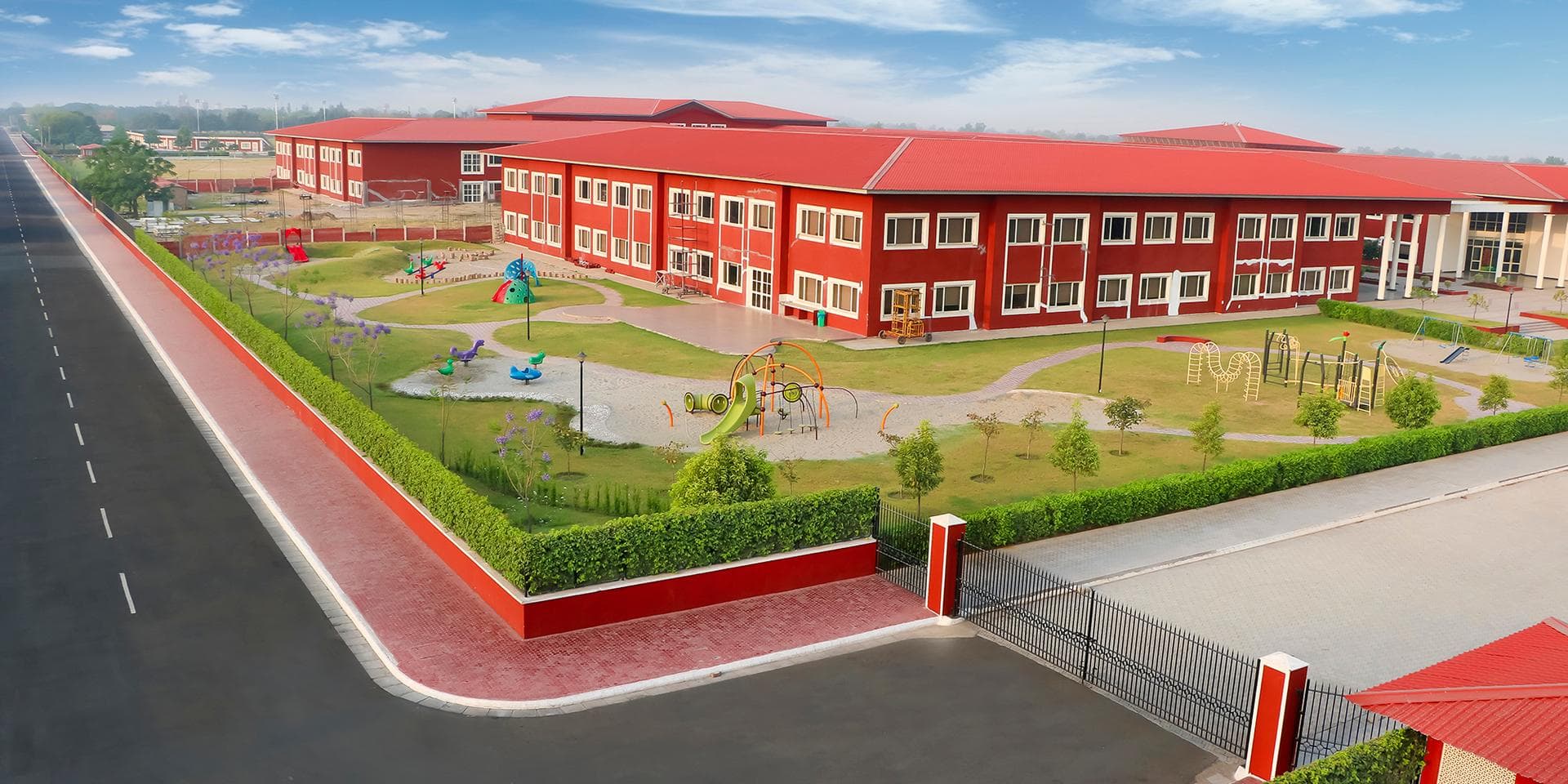
At Pathseekers School in Beas, Punjab, we deeply understand the importance of fostering a growth mindset from an early age. Our goal, aligned with CBSE guidelines, is not just to impart knowledge but to build resilient, adaptable, and lifelong learners. This comprehensive guide is designed to help you, as parents, cultivate this invaluable mindset at home, creating a powerful partnership between school and family for your child's holistic development. You might also enjoy reading about Unlocking The Power Of Blog Sites A Comprehensive Guide.
2. The Power of "Yet": Shifting Language
One of the simplest yet most effective ways to encourage a growth mindset is by changing the language we use, especially when our children face difficulties. Often, children might say things like, "I can't do this," or "I'm not good enough." As parents, our natural instinct might be to reassure them, but a more powerful response is to introduce the word "yet." This small word holds immense power, transforming a statement of finality into one of possibility and future growth.
When your child says, "I can't understand this science concept," try responding with, "You can't understand it *yet*, but with more practice and perhaps a different approach, you will." This subtle shift teaches children that their current ability is not their permanent state. It instills hope and encourages perseverance, showing them that learning is a journey, not a destination. It reinforces the idea that challenges are temporary and can be overcome with effort and continued learning.
This linguistic adjustment helps children understand that their brains are like muscles; the more they work them, the stronger they become. It removes the pressure of immediate perfection and instead celebrates the process of improvement. At Pathseekers School, our teachers often use this technique in classrooms, guiding students through complex CBSE curriculum topics by emphasizing that mastery is a process. Encourage your child to add "yet" to their own self-talk, turning moments of frustration into opportunities for growth and learning. Learn more about Indias Booming Electric Vehicle Market A Comprehensive Guide to expand your understanding.
3. Embracing Challenges and Mistakes as Learning Opportunities
In a fixed mindset, challenges are seen as threats and mistakes as failures that reveal a lack of ability. However, for children to develop a growth mindset, they need to view challenges as exciting opportunities to learn and mistakes as valuable lessons that guide them towards improvement. This perspective shift is crucial for building resilience and a genuine love for learning, rather than a fear of imperfection. Parents play a key role in framing these experiences positively for their children.
When your child struggles with a difficult homework assignment or doesn't perform as well as expected in a test, instead of focusing on the negative outcome, discuss what they learned from the experience. Ask questions like, "What did you try? What didn't work? What could you do differently next time?" This approach helps them analyze the situation, understand the cause of the mistake, and strategize for future attempts. It teaches them that every misstep is a stepping stone, not a stumbling block, on their path to success.
At Pathseekers School, aligned with the CBSE curriculum's emphasis on continuous and comprehensive evaluation, we encourage students to reflect on their learning journey. We teach them that even the most brilliant scientists and innovators made countless mistakes before achieving breakthroughs. By celebrating the effort put into tackling a challenge, regardless of the immediate outcome, we reinforce the idea that the process of learning and growing is more important than achieving instant perfection. This helps children develop courage to take on new and difficult tasks. A related topic worth checking out is Indias Growing Focus On Renewable Energy A Comprehensive Gui.
4. Praising Effort, Not Just Intelligence or Outcome
How we praise our children significantly impacts their mindset. While it's natural to say, "You're so smart!" when they do well, research shows that praising intelligence or inherent talent can actually foster a fixed mindset. Children might then believe their success is due to an innate gift, and if they struggle, they might conclude they are simply not smart enough, leading to a fear of challenges and a reluctance to try new things that might expose their perceived lack of intelligence.
Instead, focus your praise on the effort, strategies, perseverance, and improvement your child demonstrates. For example, instead of "You're a genius at math!" try "I noticed how hard you worked on that math problem, breaking it down step by step. Your persistence paid off!" Or, "Your dedication to practicing your drawing skills really shows in this beautiful picture." This type of praise teaches children that their achievements are a result of their hard work and strategic thinking, not just a fixed ability. For practical tips, see this guide on Indias Growing Focus On Renewable Energy A Comprehensive Gui.
This approach empowers children, giving them a sense of control over their learning and success. They understand that by putting in more effort and trying different strategies, they can improve and overcome obstacles. At Pathseekers School, our educators consistently emphasize the process of learning. We celebrate students who show grit and determination, whether it's mastering a complex science experiment or improving their handwriting. This focus on effort aligns perfectly with the holistic development goals of the CBSE curriculum, preparing students not just for exams, but for life.
5. Setting Realistic Goals and Celebrating Small Victories
For children to truly embrace a growth mindset, they need to experience the satisfaction of achieving goals through effort. However, if goals are too grand or unrealistic, they can become demotivating. Teaching children how to break down larger objectives into smaller, manageable steps is a vital skill. This process not only makes the ultimate goal seem less daunting but also provides numerous opportunities to celebrate progress along the way, reinforcing the value of sustained effort.
Help your child set achievable, step-by-step goals. For instance, if the goal is to improve their reading fluency, instead of saying, "Read better," suggest, "Let's aim to read for 15 minutes every day this week," or "Let's focus on understanding one new vocabulary word from each chapter." Each small step achieved becomes a 'small victory' that builds confidence and momentum. It teaches them the importance of consistent effort and how incremental progress leads to significant achievements over time. If this interests you, also read about Indias Thriving Tourism Industry A New Era Of Cultural Excha.
Celebrating these small victories is just as important as setting the goals. Acknowledge their effort and progress, no matter how minor it seems. "I noticed you stuck with your reading every day this week, that's fantastic!" or "You learned three new words today, great job!" This positive reinforcement motivates them to continue. At Pathseekers School, we encourage students to set personal learning goals and track their progress, whether it's in academics, sports, or extracurricular activities. This method, deeply integrated into our teaching philosophy, fosters a sense of accomplishment and reinforces the growth mindset within the CBSE framework.
6. Fostering a Love for Learning Beyond Grades
In today's competitive academic environment, it's easy for children and parents alike to become solely focused on grades and test scores. While academic achievement is important, a true growth mindset encourages a deeper appreciation for learning itself – for the joy of discovery, the thrill of understanding, and the satisfaction of mastering new skills. Shifting the focus from just 'what grade did you get?' to 'what did you learn today?' can make a profound difference in a child's relationship with education.
Encourage curiosity and exploration at home. Engage in activities that spark their interest, whether it's visiting a museum, reading books on diverse topics, conducting simple science experiments in the kitchen, or discussing current events. Ask open-ended questions that encourage critical thinking, such as "What do you think about that?" or "How do you think that works?" This helps children see learning as an exciting adventure, rather than just a chore associated with school and exams. This is closely related to Indias Emerging Role In Global Space Exploration A Comprehen — a must-read for parents.
At Pathseekers School in Beas, Punjab, we strive to make learning an engaging and enriching experience beyond just textbook knowledge. Our curriculum, in line with CBSE guidelines, incorporates project-based learning, field trips, and hands-on activities that ignite curiosity and foster a genuine love for subjects. We believe that when children are intrinsically motivated by the desire to learn, they become more resilient in the face of challenges and are more likely to pursue knowledge throughout their lives, making them true lifelong learners.
7. Modeling a Growth Mindset Yourself
Children are incredibly observant, and they often learn more from what we do than what we say. As parents, you are your child's first and most influential role model. Demonstrating a growth mindset in your own life is one of the most powerful ways to teach your children its value. This means being open about your own learning journey, acknowledging your struggles, and showing how you overcome them through effort and perseverance.
Don't be afraid to share your own challenges and how you address them. For example, if you're trying to learn a new skill, like cooking a new recipe or using a new piece of technology, talk about the difficulties you face and how you're working through them. Say things like, "This recipe is tricky, but I'm going to try it again with a different technique," or "I didn't understand this software at first, but I watched a tutorial and practiced, and now I'm getting better." This shows your child that learning is a continuous process, even for adults. You might also enjoy reading about Indias Thriving Maritime Industry A New Era Of Global Trade .
By modeling resilience, a willingness to learn from mistakes, and a positive attitude towards challenges, you provide a powerful example for your children to emulate. They will see that it's okay not to know everything and that effort and persistence are key to growth. At Pathseekers School, our educators also strive to model a growth mindset, continuously engaging in professional development and adapting teaching strategies to best serve our students. This consistent messaging from both home and school creates a strong foundation for your child's growth mindset journey.
8. Encouraging Perseverance and Resilience
Perseverance and resilience are two cornerstones of a growth mindset. Life is full of ups and downs, and children need to learn how to stick with difficult tasks, bounce back from setbacks, and keep moving forward even when things get tough. This isn't about avoiding frustration, but rather teaching them healthy ways to cope with it and to see it as a signal to try a different approach, rather than to give up entirely. Learn more about Indias Thriving Gaming Industry A New Era Of Entertainment A to expand your understanding.
When your child faces a frustrating task, whether it's building a complex Lego set, mastering a new musical instrument, or solving a challenging math problem, resist the urge to immediately step in and solve it for them. Instead, offer encouragement and guidance. Ask, "What have you tried so far? What's another way you could approach this?" Help them brainstorm solutions and remind them that it's okay to take a break and come back to it with fresh eyes, but not to abandon it completely.
Share stories of famous people who faced numerous failures before achieving success. Discuss how scientists often conduct hundreds of experiments before finding a breakthrough. This teaches children that persistence is a common path to success and that setbacks are part of the journey. At Pathseekers School, our curriculum often includes group projects and problem-solving activities that inherently require perseverance and teamwork, fostering these vital skills in line with CBSE's emphasis on critical thinking and life skills development among students.
9. Collaborating with Pathseekers School for Success
At Pathseekers School in Beas, Punjab, we firmly believe that education is a collaborative journey between students, parents, and teachers. Our teaching philosophy and daily practices are deeply rooted in fostering a growth mindset among our students. We understand that consistent messaging and shared values between home and school significantly amplify a child's ability to develop resilience, embrace challenges, and pursue lifelong learning. We are committed to working hand-in-hand with you. A related topic worth checking out is Indias Emerging E Commerce Market A Comprehensive Guide To O.
Our educators are trained to use growth mindset language, praise effort and strategy, and provide constructive feedback that focuses on improvement. We design our lessons, aligned with the CBSE curriculum, to include opportunities for problem-solving, critical thinking, and collaborative learning, where mistakes are seen as valuable learning opportunities. We also regularly conduct parent workshops and send out newsletters to share strategies and resources that you can use at home to reinforce these principles, ensuring a consistent and supportive environment for your child.
We encourage parents to maintain open communication with our teachers. If you notice your child struggling with a fixed mindset at home, or if you have questions about how to best support their learning journey, please reach out to us. Together, we can create a powerful ecosystem that nurtures your child's potential, helping them not only excel academically but also develop the confidence and adaptability needed to thrive in an ever-changing world. Your partnership is invaluable to us.
10. Conclusion: Your Child's Journey to Lifelong Learning
Encouraging a growth mindset in your child is one of the most profound and lasting gifts you can give them. It's about empowering them with the belief that their abilities are not fixed, but rather dynamic and capable of continuous development through effort, learning, and resilience. This fundamental shift in perspective will serve them far beyond the classrooms of Pathseekers School, preparing them for the complexities and opportunities that life will undoubtedly present. For practical tips, see this guide on student learning.
By consistently applying the strategies discussed – shifting your language, praising effort, embracing challenges, setting realistic goals, fostering a love for learning, modeling growth, and encouraging perseverance – you are actively shaping a positive and empowering narrative for your child. You are teaching them that every challenge is an opportunity, every mistake is a lesson, and every effort contributes to their growth. This journey requires patience and consistency, but the rewards are immeasurable.
At Pathseekers School, we are proud to be your partners in this vital endeavor. We are dedicated to creating an environment where every child in Beas, Punjab, feels valued, challenged, and inspired to reach their fullest potential, guided by the principles of a growth mindset and the comprehensive framework of the CBSE curriculum. Let us continue to work together to cultivate a generation of confident, resilient, and lifelong learners who are ready to embrace the world with an open mind and an unwavering spirit of growth.
Recommended Reading & Resources
Explore these related articles and resources to deepen your understanding of this topic:
- student learning
- Technical Seo Mastery 2026 The Ultimate Guide To Search Engi
- Affordable Living Meets Opportunity Copperas Cove Real Estat
- Mastering React In 2024 A Comprehensive Guide To Boosting Yo
- The Ultimate Guide To Technical Seo Audits In 2026
- Unveiling The Mysteries Of Website Seo Optimization A Compre
- educational resources
- How To Train Clients With Diabetes Exercise Guidelines For P
- Technical Seo Mastery Accelerating Your Site For 2026 Perfor
- Unlocking The Power Of Advanced Backlink Strategies For Webs
Published by Pathseekers School, Beas — A leading CBSE school in Amritsar, Punjab.
More articles on our official portal