Nurturing Teen Emotional Health: A Parent's Guide

Supporting Your Child's Emotional Well-being During Teen Years
The teenage years are a whirlwind of change, growth, and discovery, not just for the young person experiencing them, but also for their parents. As children transition from childhood to adulthood, they navigate a complex landscape of physical, emotional, and social transformations. This period, while exciting, can also be incredibly challenging, making emotional well-being a paramount concern. Ensuring our teens feel understood, supported, and equipped to handle life's ups and downs is one of the most vital roles we play as parents.
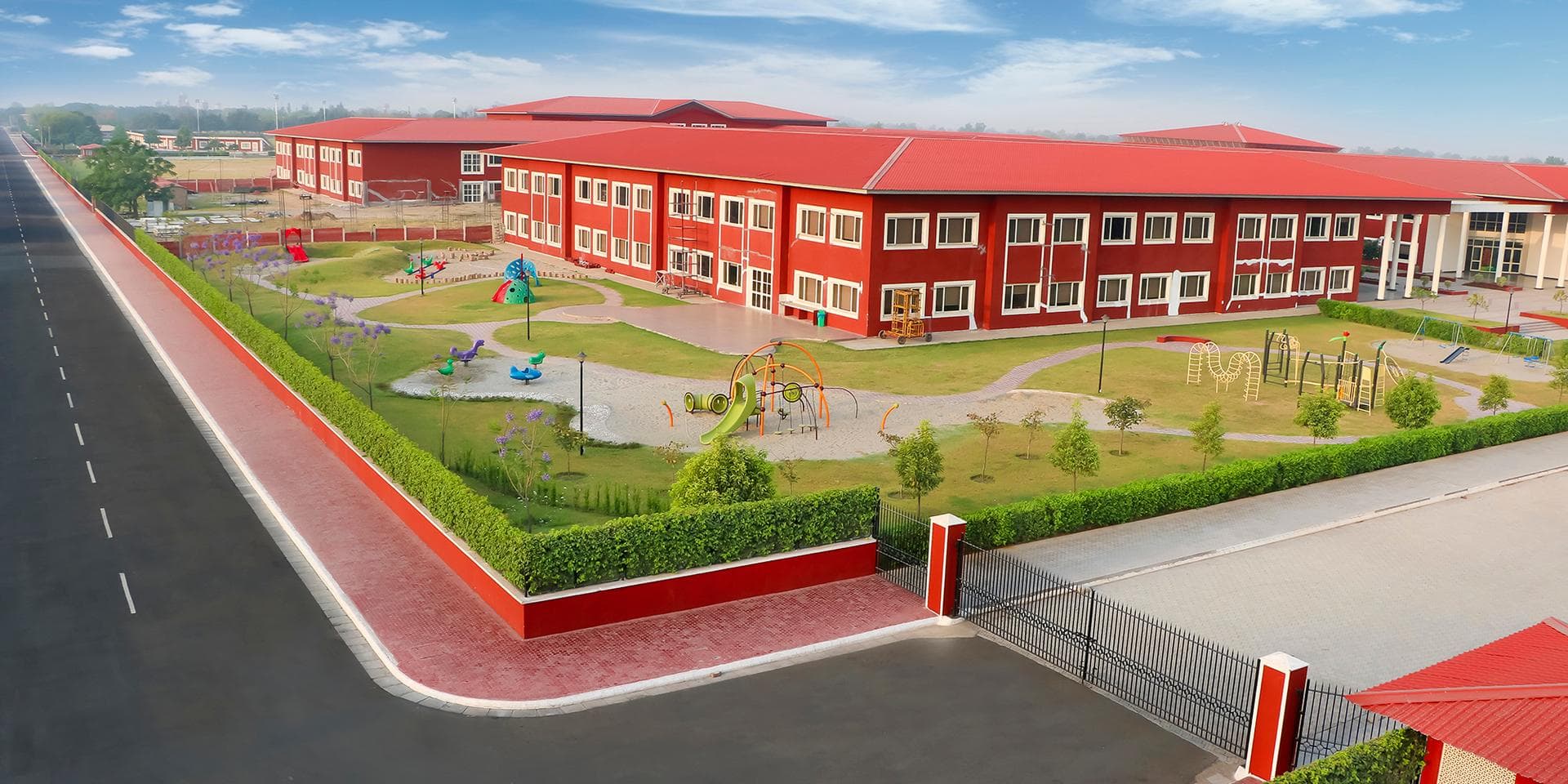
At Pathseekers School in Beas, Punjab, we deeply understand the unique pressures and opportunities that the teenage years present. Our commitment extends beyond academic excellence; we believe in nurturing well-rounded individuals who are emotionally intelligent and resilient. This blog post aims to provide parents with practical insights and actionable strategies to support their teenagers' emotional health, fostering an environment where they can thrive, feel secure, and confidently face the world.
This comprehensive guide will explore various facets of adolescent emotional development, from understanding the teenage brain to navigating social media and promoting self-esteem. We will share approaches to build stronger communication, identify warning signs, and encourage healthy coping mechanisms. By working together, parents and educators can create a robust support system that empowers our teens to navigate these formative years with grace, strength, and a positive outlook on their future. You might also enjoy reading about student health.
Understanding the Teenage Brain: A Time of Change
To effectively support our teenagers, it's incredibly helpful to understand what's happening inside their heads. The adolescent brain is undergoing massive reconstruction, particularly the prefrontal cortex, which is responsible for executive functions like decision-making, impulse control, and understanding consequences. This area isn't fully developed until the mid-20s, which explains why teenagers often seem to act impulsively or struggle with long-term planning. Their brains are literally wired differently than an adult's, leading to intense emotional responses.
This period of brain development also means that emotions can feel much more intense for teens. They might experience highs and lows more dramatically, leading to mood swings that can be confusing for both them and their parents. The reward system in their brain is also highly active, making them more susceptible to peer influence and risk-taking behaviors in pursuit of novel experiences. Understanding these neurological underpinnings can help parents approach challenging situations with greater empathy and patience, rather than frustration.
Recognizing that much of a teenager's behavior is a result of their developing brain, rather than intentional defiance, can shift our perspective significantly. It allows us to offer guidance and set boundaries in a way that is supportive and educational, rather than purely punitive. At Pathseekers School, our educators are trained to understand these developmental stages, creating a learning environment that accommodates these changes while still fostering responsibility and critical thinking skills in our students. Learn more about Cloud Computing Evolution And Edge Ai Revolutionizing Tech L to expand your understanding.
Building Open Communication: The Foundation of Trust
Open and honest communication is the cornerstone of a strong parent-teen relationship, especially when addressing emotional well-being. Creating a safe space where your child feels comfortable sharing their thoughts and feelings without fear of judgment is crucial. This means actively listening more than talking, truly hearing what they are saying, and acknowledging their emotions, even if you don't fully agree with their perspective. Simple phrases like, “I hear you,” or “That sounds really tough,” can make a huge difference.
It's important to remember that teenagers might not always initiate conversations about their deeper feelings, especially regarding sensitive topics. Sometimes, the best opportunities for connection arise during everyday activities – car rides, walks, or while doing chores together. These informal moments can feel less intimidating than a direct, sit-down conversation, allowing your teen to open up more naturally. Be patient, be present, and let them know you are always available, even if they don't take you up on it right away.
At Pathseekers School, we believe in fostering strong home-school partnerships. Our regular parent-teacher interactions and open-door policy encourage parents to communicate any concerns they have, creating a holistic support system for the child. We also teach students communication skills within the CBSE curriculum, such as through group discussions and presentations, empowering them to express themselves clearly and respectfully, which also translates into better communication at home. A related topic worth checking out is Sr22 Insurance Cost Explained What Youll Pay And How To Lowe.
Encouraging Healthy Coping Mechanisms
Teenagers face a multitude of stressors, from academic pressure and competitive examinations, like those under the CBSE board, to social anxieties and identity exploration. Learning healthy ways to cope with stress and difficult emotions is a life skill that will serve them well beyond their school years. Instead of resorting to unhealthy behaviors, teens need positive outlets to process their feelings and manage challenges effectively. Parents play a crucial role in introducing and encouraging these beneficial strategies.
Encourage your teen to explore various coping mechanisms. This could include physical activities such as sports, yoga, or dance, which are excellent for releasing tension and boosting mood. Creative pursuits like art, music, writing, or playing a musical instrument can also be incredibly therapeutic. Mindfulness practices, even simple deep breathing exercises or short meditation sessions, can help teens calm their minds and gain perspective during stressful times. The key is to help them find what works best for them. For practical tips, see this guide on Embracing The Paradox Artificial Intelligence And Ethics In .
At Pathseekers School, we integrate numerous opportunities for students to develop healthy coping skills. Our extensive range of co-curricular activities, including sports clubs, arts programs, and debating societies, provides diverse outlets for students to de-stress and express themselves. We also organize workshops on stress management and time management, equipping students with practical tools to navigate academic demands and personal challenges, ensuring they have a balanced approach to life.
Recognizing Warning Signs: When to Seek Help
While mood swings and challenging behaviors are often a normal part of adolescence, it's crucial for parents to distinguish between typical teenage turbulence and signs that might indicate a deeper emotional struggle. Being observant and attuned to significant changes in your child's behavior, mood, or habits is vital. Early recognition of warning signs can make a substantial difference in getting timely support and preventing more serious issues from developing over time.
Common warning signs to look out for include persistent sadness, irritability, or anger that lasts for more than a few weeks, significant changes in sleep patterns (either sleeping too much or too little), or a sudden loss of interest in activities they once enjoyed. Other indicators might be a drastic change in appetite or weight, withdrawal from friends and family, a noticeable drop in academic performance, or expressing feelings of hopelessness or worthlessness. These changes, especially when clustered, warrant attention. If this interests you, also read about The Real Advantage Of Locking In Your Supply Chain.
More serious warning signs include talk of self-harm or suicide, engaging in risky behaviors, substance abuse, or extreme social isolation. If you observe any of these, it is imperative to seek professional help immediately. Pathseekers School has trained counselors available who can offer initial support and guidance, and help connect families with external mental health professionals. Remember, seeking help is a sign of strength, and you don't have to navigate these challenges alone.
Promoting Self-Esteem and Resilience
A strong sense of self-esteem and resilience are critical protective factors for a teenager's emotional well-being. Self-esteem is not about being perfect; it's about valuing oneself and understanding one's worth, even amidst imperfections and challenges. Resilience, on the other hand, is the ability to bounce back from adversity, to learn from mistakes, and to adapt to change. Both are nurtured through consistent support, positive reinforcement, and opportunities for growth.
Parents can foster self-esteem by celebrating their child's efforts and progress, not just their achievements. Focus on their character strengths, their kindness, perseverance, or creativity. Provide opportunities for them to take on responsibilities and master new skills, allowing them to experience success. When they inevitably face setbacks, help them understand that mistakes are learning opportunities, not failures, and that everyone experiences them. This helps build a growth mindset. This is closely related to What To Prepare Before A Virtual Design Consultation — a must-read for parents.
At Pathseekers School, our educational philosophy is deeply rooted in fostering both self-esteem and resilience. We encourage students to participate in a wide array of activities, from inter-house competitions to community service projects, where they can discover their talents and contribute meaningfully. Our curriculum, aligned with CBSE guidelines, promotes critical thinking and problem-solving, teaching students to approach challenges with confidence and to view obstacles as opportunities for personal growth and development.
The Role of School and Academics
School is a significant part of a teenager's life, and the academic environment can profoundly impact their emotional well-being. The pressure to perform well in CBSE board exams, compete for university admissions, and manage a heavy workload can be overwhelming. It is essential for schools to create a supportive and understanding atmosphere where students feel valued, not just for their grades, but for their overall development as individuals.
At Pathseekers School, we prioritize creating such an environment. Our teachers are not just educators; they are mentors who build strong, positive relationships with students, offering guidance and support beyond the classroom. We implement strategies to manage academic stress, including teaching effective study habits, time management techniques, and providing personalized academic counseling. Our goal is to ensure students feel equipped to handle their studies without feeling overly anxious or burnt out. You might also enjoy reading about What Makes Ceramic Tint In Austin Better Than Regular Film.
Furthermore, the CBSE curriculum itself encourages holistic development, and we embrace this wholeheartedly. Beyond textbooks, we emphasize critical thinking, creativity, and social-emotional learning. Regular workshops on mental health awareness, stress reduction, and healthy lifestyle choices are integrated into our school calendar, ensuring that students have access to resources and knowledge that support their emotional resilience alongside their academic pursuits.
Navigating Social Media and Peer Pressure
In today's digital age, social media plays an undeniable role in the lives of teenagers, profoundly influencing their self-perception, social interactions, and emotional well-being. While it offers avenues for connection and self-expression, it also presents challenges like cyberbullying, comparison culture, and the pressure to maintain a 'perfect' online persona. Helping teens navigate this complex digital landscape responsibly is a critical task for parents. Learn more about tech in schools to expand your understanding.
Open discussions about online safety, digital etiquette, and the potential impact of social media on mental health are essential. Encourage your teen to be mindful of the content they consume and share, and to understand that what they see online often doesn't reflect reality. Setting clear boundaries around screen time and monitoring their online activity, in an age-appropriate way, can also be beneficial. Teach them to recognize and report cyberbullying and to value real-life connections over virtual ones.
Peer pressure, both online and offline, is another significant challenge. Teach your child assertiveness skills and empower them to say 'no' when something feels wrong or uncomfortable. Help them identify true friends who support and uplift them, rather than those who might lead them astray. At Pathseekers School, we incorporate digital citizenship and values education into our curriculum, aligned with CBSE guidelines, to equip students with the critical thinking and ethical frameworks needed to navigate these social complexities responsibly.
Fostering Independence Responsibly
As teenagers grow, their innate desire for independence becomes stronger. They crave more autonomy, the ability to make their own decisions, and to define their own identity separate from their parents. While this push for independence is a healthy and necessary part of development, it's crucial for parents to strike a balance between granting freedom and providing appropriate guidance and boundaries. This delicate balance helps teens develop self-reliance while still feeling secure and supported. A related topic worth checking out is Unlocking The Future Of Online Visibility Cutting Edge Seo T.
Give your teen opportunities to make choices and experience the natural consequences, both positive and negative, of those decisions. Start with smaller, less impactful choices and gradually increase the scope as they demonstrate responsibility. This could involve choosing their own extracurricular activities, managing their pocket money, or planning aspects of family outings. Allowing them to learn from their own experiences, even when they stumble, builds confidence and problem-solving skills.
However, fostering independence doesn't mean completely stepping back. Continue to set clear, consistent boundaries and expectations, explaining the reasoning behind them. Regularly check in with your teen, offering advice and support when needed, but also trusting them to navigate challenges. This gradual release of control, combined with ongoing support, helps prepare them for the responsibilities of adulthood and ensures they feel capable and confident in their growing independence.
Conclusion: A Journey of Support and Love
Supporting your child's emotional well-being during the teenage years is a continuous journey, filled with its own unique joys and challenges. There will be moments of triumph and moments of struggle, but through it all, your unwavering love, understanding, and consistent support are the most powerful tools you possess. By fostering open communication, promoting healthy coping mechanisms, recognizing warning signs, and encouraging self-esteem and resilience, you are equipping your teenager with invaluable life skills. For practical tips, see this guide on Why Kitchen Remodeling Katy Enhances Modern Living And Home .
Remember that you are not alone in this journey. Parenting a teenager is complex, and it's okay to seek support for yourself and your family when needed. Lean on your support network, whether it's other parents, trusted family members, or professional counselors. Your commitment to understanding and nurturing your child's emotional health lays a strong foundation for their future happiness and success, helping them grow into well-adjusted, confident adults ready to contribute positively to society.
At Pathseekers School in Beas, Punjab, we are proud to be your partners in this crucial endeavor. We are dedicated to providing an environment where every student feels safe, valued, and empowered to thrive emotionally, academically, and socially. Together, as a community of parents and educators, we can guide our teenagers through these transformative years, ensuring they emerge as resilient, compassionate, and emotionally intelligent individuals ready to embrace all that life has to offer.
Recommended Reading & Resources
Explore these related articles and resources to deepen your understanding of this topic:
- How Do You Properly Compact Crushed Stone For Stable Constru
- Revolutionizing The Modern Workforce The Rise Of Ai M6467
- Pakistans Historic Flood Relief Efforts A Beacon Of Hope For
- Indias Thriving Electric Vehicle Market A New Era Of Sustain
- Indias Latest Initiative Harnessing The Power Of Artificial
- Indias Electronic Vehicle Revolution How The Governments New
- Unlocking The Power Of Tuf Gaming A Comprehensive Guide
- Indias New Space Policy A Giant Leap For Private Space Compa
- Indias Rural Broadband Revolution The Bharatnet Project 321
- Latest Trends And Tips In Seo For 2026
Published by Pathseekers School, Beas — A leading CBSE school in Amritsar, Punjab.
More articles on our official portal