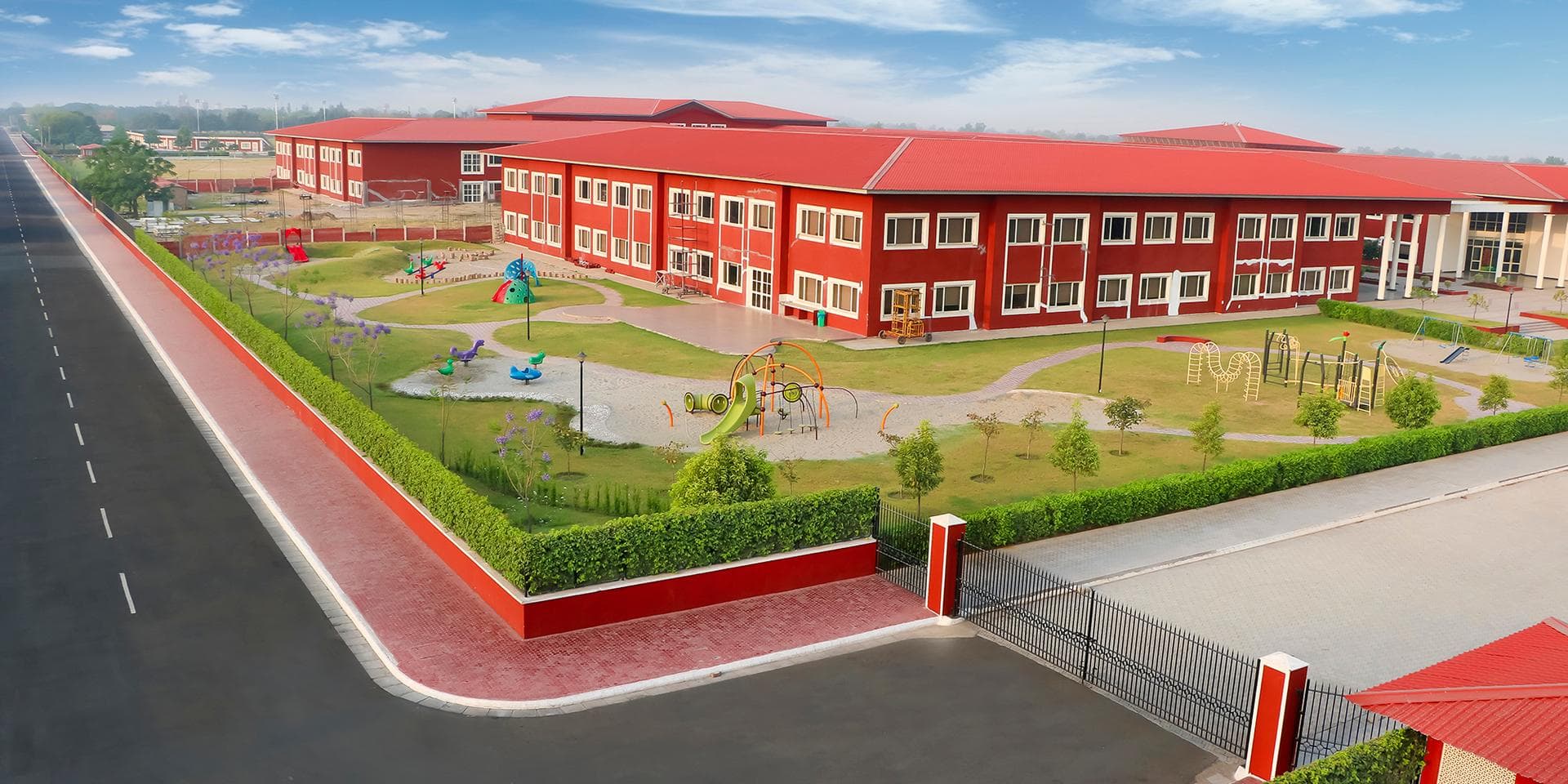
Nurturing Teen Emotional Health: A Pathseekers School Guide for Parents

Introduction: Understanding the Teenage Rollercoaster
The teenage years are a remarkable period of growth and change, not just physically, but profoundly emotionally. For both children and parents, this phase can feel like navigating a rollercoaster – full of exhilarating highs, unexpected twists, and sometimes, daunting drops. At Pathseekers School in Beas, Punjab, we understand that supporting a child's emotional well-being during these formative years is just as crucial as their academic success. It lays the foundation for their future resilience, happiness, and ability to thrive in an ever-changing world.
Emotional well-being in teenagers encompasses their ability to understand and manage their feelings, cope with challenges, build healthy relationships, and make sound decisions. It's about feeling good about themselves and having the skills to navigate life's inevitable ups and downs. As parents, your role is pivotal in creating an environment where your teen feels safe, understood, and equipped to handle the complex emotional landscape of adolescence.
This comprehensive guide from Pathseekers School aims to provide you with practical insights and actionable strategies to support your child's emotional health. We will explore the science behind teenage emotions, offer tips for effective communication, discuss how to build resilience, and highlight the crucial role that both home and school play in fostering a supportive ecosystem. Together, we can empower our teens to grow into confident, emotionally intelligent individuals.
The Brain Science Behind Teenage Emotions
Understanding the biological changes happening in a teenager's brain can bring immense clarity and empathy to their often-confusing behaviors. During adolescence, the brain undergoes a significant 'remodeling' process. The emotional center, known as the limbic system, develops earlier and faster than the prefrontal cortex, which is responsible for planning, decision-making, and impulse control. This imbalance often explains why teens can be incredibly passionate and emotional, yet sometimes struggle with logical thinking or regulating their reactions.
Because their prefrontal cortex is still under construction, teenagers might take more risks, act impulsively, or struggle to foresee long-term consequences. They might also experience emotions more intensely, leading to dramatic mood swings that can be challenging for both them and their families. Recognizing that these behaviors are often rooted in brain development, rather than deliberate defiance, can help parents respond with greater patience and understanding, fostering a more supportive environment at home.
At Pathseekers School, our educators are trained to understand these developmental stages, integrating this knowledge into our teaching approaches. We emphasize social-emotional learning (SEL) as part of the CBSE curriculum, helping students develop self-awareness, self-management, social awareness, relationship skills, and responsible decision-making. By understanding the 'why' behind their emotions, we can better guide teens towards healthier coping mechanisms and more mature responses, both in and out of the classroom.
Creating a Safe Space for Communication
Open and honest communication is the cornerstone of a strong parent-teen relationship and vital for emotional well-being. Teenagers need to know they have a safe space to express their thoughts, fears, and frustrations without judgment. This means actively listening more than talking, and truly hearing what your child is trying to convey, even if their words are clumsy or their emotions are overwhelming. Try to find natural moments for conversation, like during a car ride or while preparing a meal, rather than forcing a formal 'talk'.
When your teen does open up, validate their feelings. Phrases like, "I understand why you'd feel that way," or "That sounds really tough," can go a long way in making them feel heard and accepted. Avoid immediately jumping to solutions or dismissing their concerns as trivial. Remember, what might seem small to an adult can feel monumental to a teenager. Your role is to be a consistent, empathetic presence, ready to listen and offer support when needed.
Establishing regular 'check-in' times, even if brief, can create a routine of communication. This doesn't mean intrusive questioning, but rather gentle inquiries about their day, their friends, or their interests. At Pathseekers School, we encourage a similar open-door policy, where students feel comfortable approaching teachers or counselors with their concerns. By modeling respectful communication at home, parents reinforce the values of empathy and understanding that are also central to our school's ethos.
Recognizing the Signs of Emotional Distress
While mood swings are a normal part of adolescence, it's crucial for parents to learn the difference between typical teenage behavior and signs of genuine emotional distress. Recognizing these indicators early allows for timely intervention and support. Look for significant, persistent changes in your child's behavior, mood, or daily routines. These might include prolonged sadness, irritability, or anger that seems out of proportion to situations, or a noticeable loss of interest in activities they once enjoyed.
Other warning signs can include changes in sleep patterns (insomnia or excessive sleeping), significant shifts in appetite or weight, frequent complaints of physical ailments like headaches or stomachaches without a clear medical cause, or a sudden drop in academic performance. Social withdrawal, where a teen isolates themselves from friends and family, or an increase in risky behaviors like substance use, are also serious red flags that should not be ignored. Pay attention to how long these changes last and their intensity.
If you observe several of these signs over an extended period, it's important to take action. Start by having an open, non-judgmental conversation with your teen. Express your concerns calmly and lovingly. If your child is resistant or if the issues persist, consider seeking professional help from a school counselor, pediatrician, or mental health professional. Pathseekers School has experienced counselors available to support students and guide parents through these challenging times, ensuring every child receives the care they need.
Building Resilience and Coping Skills
Resilience is the ability to bounce back from adversity, and it's a vital life skill for teenagers. Parents can play a significant role in helping their children develop strong coping mechanisms. Encourage your teen to face challenges rather than avoid them, providing support and guidance while allowing them to problem-solve. When they encounter setbacks, help them understand that mistakes are opportunities for learning, not failures to be ashamed of. This fosters a growth mindset, which is integral to emotional strength.
Teaching healthy stress management techniques is also crucial. Encourage hobbies and activities that provide a positive outlet for emotions, such as sports, art, music, or writing. At Pathseekers School, we offer a wide array of extracurricular activities precisely for this reason, from competitive sports to various clubs, providing students with avenues to explore passions, relieve stress, and build a sense of accomplishment. Mindfulness practices, deep breathing exercises, or even just spending time in nature can also be effective tools for managing anxiety.
Empower your teen to identify their feelings and articulate them constructively. Help them develop a toolkit of strategies for dealing with difficult emotions, whether it's talking to a trusted adult, journaling, or engaging in physical activity. By equipping them with these skills, you are not only helping them navigate their current challenges but also preparing them for future adult responsibilities and emotional hurdles. Resilience built in these years will serve them for a lifetime.
The Impact of Academics and Peer Pressure
The academic landscape for teenagers, especially within the rigorous CBSE curriculum, can be a significant source of stress. The pressure to perform well in board exams, competitive entrance tests, and maintain good grades can be overwhelming. Parents need to help their children develop a balanced perspective, emphasizing effort and learning over solely focusing on marks. Encourage good study habits, time management, and ensure they have adequate rest and breaks to prevent burnout.
Peer pressure is another powerful force during adolescence. Teens crave acceptance and belonging, which can sometimes lead them to make choices that contradict their values or put their well-being at risk. Open communication about peer dynamics, social media influences, and the importance of choosing friends who uplift them is essential. Help your child develop the confidence to say 'no' and to stand up for themselves, teaching them to trust their instincts and values.
At Pathseekers School, we actively address academic stress and peer pressure through our holistic approach. Our teachers provide personalized attention and support, helping students manage their workload effectively. Our life skills education, as mandated by CBSE, includes modules on decision-making, assertiveness, and resisting negative peer influence. We foster a positive school culture where students are encouraged to celebrate individuality and support each other, creating a strong, inclusive community.
Healthy Digital Habits and Online Safety
In today's interconnected world, digital devices and social media are an undeniable part of a teenager's life. While they offer many benefits, they also present unique challenges to emotional well-being. Excessive screen time can disrupt sleep, affect mood, and reduce opportunities for face-to-face interaction. Cyberbullying, online comparison, and exposure to inappropriate content are serious risks that parents must actively address to ensure their child's safety and mental health.
Establishing clear boundaries and expectations around digital use is crucial. This might include setting screen time limits, designating device-free zones (like bedrooms at night or during meals), and encouraging a balance between online and offline activities. Engage in conversations about online etiquette, the permanence of digital footprints, and the importance of critical thinking when consuming online information. Teach your teen how to protect their privacy and recognize the signs of online manipulation or scams.
Regularly check in with your child about their online experiences and be approachable if they encounter any issues like cyberbullying. Reassure them that you are there to help, not to blame. Pathseekers School integrates digital literacy and online safety into our curriculum, educating students on responsible internet use, identifying cyber threats, and promoting positive digital citizenship. We believe in empowering students to navigate the digital world safely and healthily, fostering an environment of awareness and support.
The Role of Pathseekers School in Emotional Support
At Pathseekers School, we believe that education extends far beyond textbooks and examinations. We are deeply committed to the holistic development of every child, and their emotional well-being is at the core of our mission. Our dedicated team of counselors provides a safe and confidential space for students to discuss their concerns, offering guidance and support for a wide range of emotional and psychological challenges. These services are readily accessible, ensuring that no student feels alone in their struggles.
Our curriculum, aligned with CBSE guidelines, incorporates comprehensive life skills education from the early years right through to senior secondary. This includes modules specifically designed to enhance emotional intelligence, stress management, interpersonal skills, and decision-making abilities. Through workshops, group activities, and classroom discussions, students learn practical strategies to understand their emotions, build empathy, and navigate social situations effectively, preparing them for real-world scenarios.
Furthermore, Pathseekers School fosters a remarkably supportive and nurturing environment. Our teachers are not just educators but mentors who build strong, positive relationships with students, acting as trusted adults. We encourage an inclusive culture where every student feels valued, respected, and part of a caring community. Regular parent-teacher interactions and open communication channels ensure that home and school work together seamlessly to support each child's emotional growth and academic journey.
Empowering Independence and Decision-Making
As teenagers grow, they naturally seek more independence and opportunities to make their own choices. While it can be daunting for parents to step back, empowering your teen to make decisions, even small ones, is vital for their emotional development and self-confidence. Start with low-stakes choices, like what clothes to wear, how to spend their allowance, or which extracurricular activities to pursue. Gradually increase the scope of their decision-making as they demonstrate responsibility and maturity.
Allowing your teen to experience the natural consequences of their choices, within safe limits, is a powerful learning tool. If they make a mistake, instead of rescuing them immediately, guide them through the process of problem-solving and making amends. This teaches them accountability and resilience. Your role shifts from being a director to a consultant – offering advice and support, but allowing them the space to navigate their own path and learn from their experiences.
Encourage your teen to set personal goals, whether academic, social, or related to hobbies. Support them in developing a plan to achieve these goals and celebrate their efforts, regardless of the outcome. This fosters a sense of agency and purpose. At Pathseekers School, we provide platforms for student leadership and initiative, allowing teens to take ownership of projects, organize events, and contribute to the school community, thereby nurturing their leadership and decision-making skills in a structured environment.
Conclusion: A Journey of Growth and Support
Supporting your child's emotional well-being during the teenage years is an ongoing journey, filled with its unique joys and challenges. It requires patience, understanding, consistent communication, and a willingness to adapt as your child grows and changes. Remember that you are not alone in this endeavor; Pathseekers School is a dedicated partner, committed to providing a nurturing environment where your child can thrive emotionally, socially, and academically.
By understanding the science behind their emotions, creating a safe space for dialogue, recognizing signs of distress, and building resilience, you are equipping your teen with invaluable life skills. Embracing their growing independence and navigating the digital world together further strengthens your bond and their capacity to face the future with confidence. Every step you take in supporting their emotional health contributes significantly to their overall success and happiness.
At Pathseekers School, we are proud to foster an environment that champions emotional intelligence and holistic development, complementing the loving support you provide at home. Together, as parents and educators, we can empower our teenagers to navigate the complexities of adolescence, emerge as resilient individuals, and embark on a path filled with purpose and well-being. We look forward to continuing this vital partnership with you, ensuring every student reaches their fullest potential.
Published by Pathseekers School, Beas — A leading CBSE school in Amritsar, Punjab.
More articles on our official portal