Nurturing Young Minds: Art & Craft in Early Schooling

The Canvas of Childhood: Why Art & Craft are Essential
Early schooling years are a truly magical time, filled with boundless curiosity and an incredible capacity for learning. At Pathseekers School in Beas, Punjab, we firmly believe that nurturing this innate curiosity and supporting holistic development is paramount. While academic subjects often take center stage, the role of art and craft in these foundational years cannot be overstated. They are not merely extracurricular activities; they are fundamental building blocks for a child’s cognitive, emotional, social, and physical growth, laying a strong foundation for future success and well-being.
Imagine a child's face lighting up as they mix colors for the first time, or the intense concentration as they meticulously cut out shapes with child-safe scissors. These moments are rich with learning opportunities, far beyond just creating a pretty picture. Art and craft activities provide a unique platform for children to explore, experiment, and express themselves in ways that words often cannot. They engage multiple senses and encourage a hands-on approach to understanding the world around them, fostering a love for discovery that will last a lifetime.
At Pathseekers School, our philosophy revolves around creating an environment where every child feels empowered to explore their potential. We integrate art and craft seamlessly into our early schooling curriculum, recognizing their profound impact on fostering creativity, critical thinking, and problem-solving skills. Our dedicated educators understand that these activities are vital for developing well-rounded individuals who are not only academically proficient but also imaginative, resilient, and confident in their abilities to innovate and create.
Beyond Playtime: The Deep Educational Value of Creative Expression
Many parents and even some educators might view art and craft as simply enjoyable pastimes, a break from the 'real' learning of numbers and letters. However, this perspective significantly undervalues the profound educational benefits embedded within these creative pursuits. Art and craft are powerful tools that stimulate brain development, enhance concentration, and introduce complex concepts in an accessible and engaging manner, making learning a joyful and natural process for young minds during their formative years.
Consider a child building a structure with clay or designing a collage from various materials. This isn't just play; it's an exercise in planning, spatial reasoning, and understanding textures and forms. They are making decisions, experimenting with different approaches, and solving small challenges independently. These experiences cultivate a growth mindset, teaching children that mistakes are opportunities for learning and that perseverance often leads to successful outcomes, skills crucial for all aspects of life and learning.
The educational value extends to literacy and numeracy as well. When children draw a story, they are engaging in pre-writing skills and narrative development. Counting beads for a necklace or sorting colors for a mosaic introduces mathematical concepts in a tangible way. Therefore, art and craft are not just 'extra' activities; they are integral components of a comprehensive early education, seamlessly weaving together various learning domains and preparing children for more formal academic challenges with a strong foundation of practical understanding.
Developing Essential Fine Motor Skills and Hand-Eye Coordination
One of the most immediate and observable benefits of art and craft activities in early schooling is the significant development of fine motor skills. These are the small muscle movements, especially in the hands and wrists, that are crucial for tasks like writing, buttoning clothes, and using utensils. Activities such as cutting with scissors, gluing small pieces, drawing lines and shapes, painting with brushes, and molding clay directly strengthen these muscles, improving dexterity and control in a fun and engaging manner for young learners.
Think about the precision required to thread beads onto a string or to carefully tear paper into specific shapes for a collage. Each of these actions demands a high level of hand-eye coordination, where the eyes guide the hands to perform a task accurately. This coordination is not just important for artistic endeavors; it is a foundational skill for academic success, particularly in subjects like mathematics where children need to align numbers, and of course, for legible handwriting, which is a major focus in early elementary grades.
At Pathseekers School, our art and craft sessions are specifically designed to offer a variety of activities that target these essential skills. From simple finger painting for our youngest learners to more intricate paper folding and weaving projects for slightly older children, we ensure a progressive development pathway. These hands-on experiences not only prepare children for academic tasks but also empower them with practical life skills, fostering independence and confidence in their physical capabilities as they navigate their daily routines and learning journeys.
Boosting Cognitive Development and Problem-Solving Abilities
Beyond physical dexterity, art and craft play a pivotal role in boosting cognitive development and sharpening problem-solving abilities in young children. When a child is given a set of materials – perhaps paper, glue, crayons, and some fabric scraps – and asked to create something, they engage in a complex cognitive process. They begin to think critically: “What can I make with these? How do I attach this piece here? What colors will look good together?” This natural inquiry fosters imaginative thinking and encourages innovative solutions to open-ended challenges.
Consider the process of planning an art project. A child might decide to draw a house. They must then think about its components: a square for the body, a triangle for the roof, rectangles for windows and doors. This involves spatial reasoning, understanding geometric shapes, and sequencing steps – all fundamental cognitive skills. When a color doesn't turn out as expected, or a piece doesn't fit, they learn to adapt, try new combinations, or even start over, developing resilience and flexible thinking that are essential for academic and life success.
At Pathseekers School, our educators facilitate these cognitive journeys by providing stimulating materials and posing thought-provoking questions, rather than simply dictating what to create. We encourage children to explain their choices and the 'story' behind their artwork, which further develops their language skills and logical reasoning. This approach ensures that every art and craft session is not just about the final product, but about the rich mental processes involved in its creation, building a strong foundation for future learning and complex problem-solving.
Nurturing Emotional Expression and Building Self-Esteem
Art and craft provide a powerful, non-verbal outlet for children to express their emotions, thoughts, and feelings, especially when they may not yet have the vocabulary to articulate them verbally. A child might draw a bright, sunny picture when they are happy, or use darker colors and jagged lines when they are feeling upset or frustrated. This ability to convey inner experiences through creative mediums is incredibly therapeutic and helps children process their emotions in a healthy and constructive way, fostering emotional intelligence from an early age.
The act of creation itself is a significant booster of self-esteem. When a child completes an art project, whether it's a simple drawing or an elaborate paper sculpture, they experience a sense of accomplishment and pride. Displaying their artwork, even on a refrigerator at home or on a classroom wall at Pathseekers School, validates their efforts and creative choices. This positive reinforcement encourages them to take risks, experiment further, and believe in their own capabilities, which translates into greater confidence in other areas of their learning and personal development.
Furthermore, collaborative art projects teach children about teamwork, sharing materials, and appreciating the diverse perspectives and creations of their peers. This social interaction helps them understand that there is no single 'right' way to create, fostering tolerance and empathy. By providing a safe and encouraging environment for artistic expression, Pathseekers School helps children develop a strong sense of self-worth and emotional resilience, preparing them to navigate the complexities of life with greater confidence and a deeper understanding of themselves and others.
Art and Craft in the CBSE Curriculum: A Closer Look
The Central Board of Secondary Education (CBSE) curriculum, which Pathseekers School proudly follows, has long recognized the importance of holistic development that extends beyond traditional academic subjects. The CBSE framework emphasizes a comprehensive approach to education, where co-scholastic areas like art education, physical education, and life skills are given significant weightage. This ensures that students develop not only intellectually but also creatively, emotionally, and socially, preparing them for a well-rounded future in a rapidly changing world.
Specifically, the CBSE guidelines encourage schools to integrate art education as an integral part of the curriculum from the early years. It is not viewed as an optional add-on but as a core component designed to foster creativity, aesthetic appreciation, and cultural understanding. The curriculum promotes a variety of art forms, including visual arts (drawing, painting, sculpture, craft) and performing arts (music, dance, drama), ensuring that children are exposed to a rich tapestry of creative expression and can find their own preferred modes of engagement. For more insights, you may also find this resource helpful: Revolutionizing Creativity How Generative Ai Is Changing Des. For more insights, you may also find this resource helpful: Indias Latest Initiative Revolutionizing Education Through A.
At Pathseekers School, we align perfectly with the CBSE's vision by implementing a robust art and craft program that goes beyond mere compliance. We see the curriculum as a springboard for innovation, allowing our teachers the flexibility to design engaging, age-appropriate projects that resonate with our students in Beas, Punjab. By actively incorporating art and craft into daily learning, we ensure that our students receive a balanced education that adheres to national standards while also nurturing their individual talents and preparing them to be creative thinkers and problem-solvers of tomorrow.
Pathseekers School's Unique Approach to Creative Learning
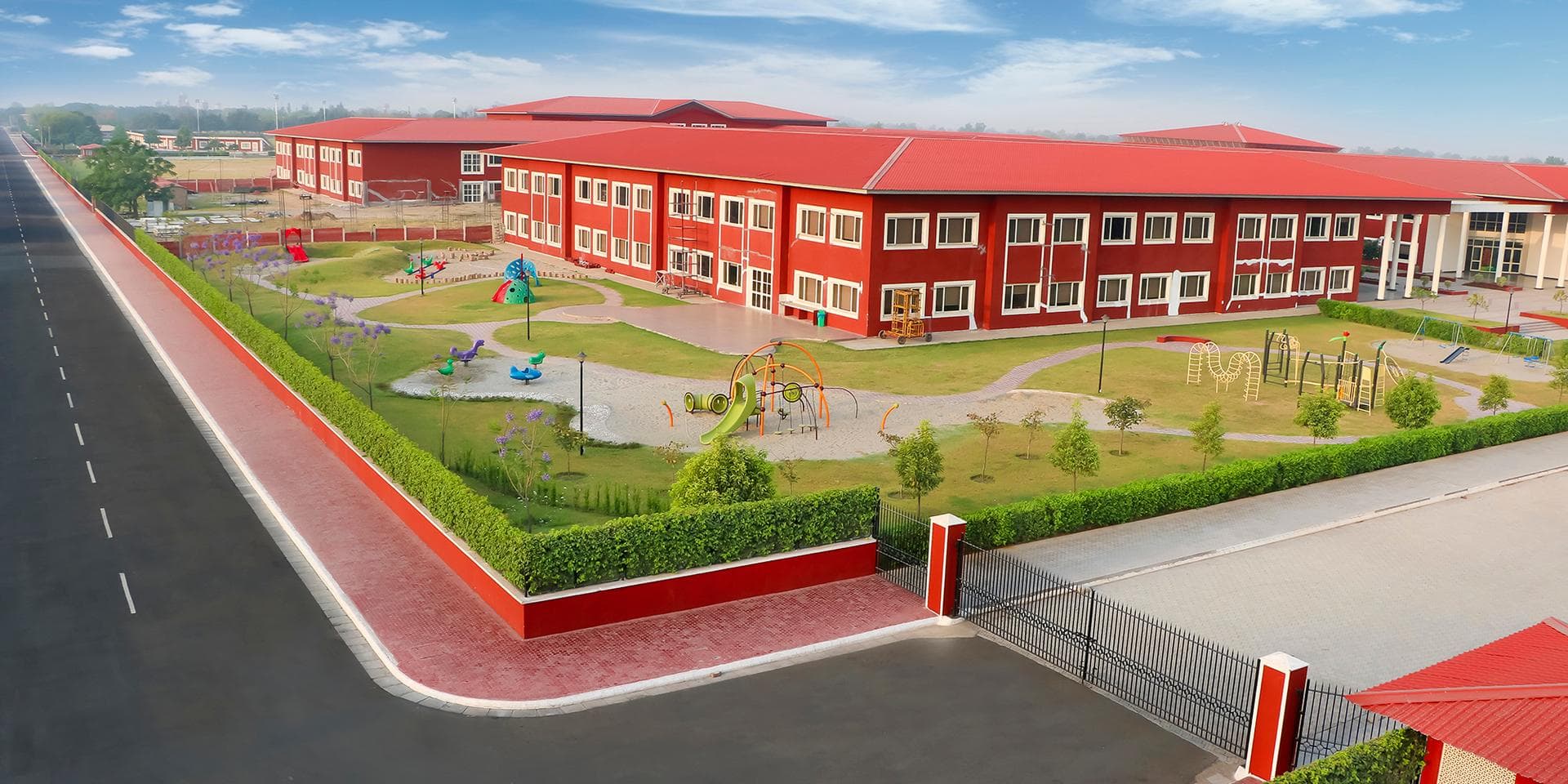
At Pathseekers School, located amidst the serene surroundings of Beas, Punjab, we take immense pride in our unique and comprehensive approach to fostering creativity through art and craft. We understand that every child is an artist, and our role is to provide the canvas, the colors, and the encouragement to let their imagination soar. Our school boasts dedicated art studios that are vibrant, well-lit spaces filled with a wide array of materials, from traditional paints and brushes to recycled items and natural elements, inviting children to explore and experiment without inhibition.
Our curriculum is thoughtfully designed to integrate art and craft into various subjects, making learning more engaging and tangible. For instance, when learning about seasons, children might create collages depicting autumn leaves or spring flowers. When studying different cultures, they might craft traditional masks or pottery. This interdisciplinary approach not only reinforces academic concepts but also showcases the practical application of artistic skills, making learning a cohesive and memorable experience for our young learners.
Beyond daily classroom activities, Pathseekers School organizes annual art exhibitions and creative workshops where students can proudly display their creations to parents and the wider community. These events are not just showcases; they are celebrations of effort, imagination, and individuality. We encourage children to talk about their artwork, explaining their inspiration and techniques, which further develops their communication and presentation skills. Our dedicated art teachers, who are not just instructors but also mentors, guide each child through their artistic journey, fostering a lifelong appreciation for creativity.
Simple Art & Craft Activities for Parents at Home
Parents play a crucial role in extending the creative learning journey beyond the school gates. You don't need expensive art supplies or a dedicated studio to foster creativity at home. Simple, everyday materials can transform into wonderful tools for imagination and skill development. Encourage your child to draw or doodle regularly with crayons, sketch pens, or even just a pencil and paper. Provide them with old magazines, newspapers, and glue for making collages, which are fantastic for developing cutting skills and visual composition.
Engage in craft activities using common household items. For example, empty toilet paper rolls can become binoculars or characters, plastic bottles can be transformed into planters, and old fabric scraps can be used for sewing simple patterns or creating puppets. Baking and cooking together can also be considered a form of craft, involving measuring, mixing, and decorating, which hones fine motor skills, follows instructions, and introduces basic chemistry and math in a delicious way. The key is to provide materials and a safe space, then let their imagination lead the way.
Remember that the process of creation is often more important than the final product. Encourage your child to experiment, make messes (within reason!), and not worry about perfection. Ask open-ended questions about their artwork: “Tell me about what you made,” or “What inspired you to use these colors?” This encourages them to articulate their thoughts and feelings. Display their creations proudly, whether on the refrigerator or a dedicated shelf, to show them that their efforts are valued. These simple gestures at home can significantly reinforce the creative foundations laid at Pathseekers School and strengthen your child's confidence.
The Indispensable Role of Parents and Educators
The journey of fostering creativity in early schooling is a collaborative effort, requiring the active involvement and mutual understanding between parents and educators. At Pathseekers School, we believe that when home and school work in harmony, a child's potential for growth and learning is truly maximized. Parents are a child's first teachers, and their support and encouragement for creative endeavors at home can significantly amplify the impact of school-based art and craft programs, creating a consistent and enriching environment for the child.
Educators, on the other hand, are tasked with designing and implementing engaging activities, providing appropriate materials, and creating a stimulating classroom environment where experimentation is celebrated, and mistakes are seen as learning opportunities. Our teachers at Pathseekers School are trained to observe each child's unique creative process, offer gentle guidance, and facilitate discussions that deepen their understanding and appreciation for art. They act as facilitators, not dictators, empowering children to discover their own artistic voice and build confidence in their abilities.
Open communication between parents and teachers is vital. Regular discussions about a child's progress in art and craft, sharing observations from both home and school, can help identify areas where a child might need more encouragement or new challenges. By valuing and celebrating creative expression together, both parents and educators send a powerful message to children: that their imagination, individuality, and ability to create are cherished assets. This unified approach ensures that every child at Pathseekers School receives the comprehensive support they need to thrive creatively and academically.
Building a Creative Future: The Lasting Impact of Early Art Education
The investment in fostering creativity through art and craft during early schooling yields benefits that extend far beyond childhood. The skills developed – critical thinking, problem-solving, fine motor control, emotional intelligence, and self-expression – are not just valuable for making beautiful artwork; they are foundational life skills that prepare children for success in an increasingly complex and innovation-driven world. A child who has learned to think creatively and adapt to challenges through art will approach academic subjects, future careers, and personal relationships with a more imaginative and resilient mindset.
In today's rapidly evolving global landscape, where many routine tasks are being automated, the demand for truly human skills like creativity, innovation, and empathy is growing exponentially. Early exposure to art and craft at schools like Pathseekers is not just about producing artists; it's about nurturing future engineers who can design elegant solutions, scientists who can think outside the box, entrepreneurs who can envision new possibilities, and compassionate citizens who can understand and connect with diverse perspectives. These foundational experiences build the mental flexibility required for lifelong learning and adaptation.
At Pathseekers School in Beas, Punjab, we are deeply committed to providing an educational experience that prepares our students not just for examinations, but for life. By prioritizing art and craft in early schooling, we are equipping our young learners with the essential tools to explore their potential, express their unique personalities, and contribute meaningfully to the world around them. We believe that by nurturing their creativity today, we are helping them build a brighter, more imaginative, and more fulfilling future for themselves and for society as a whole. Join us in celebrating the power of early creative education!
Recommended Reading & Resources
Explore these related articles and resources to deepen your understanding of this topic:
Published by Pathseekers School, Beas — A leading CBSE school in Amritsar, Punjab.
More articles on our official portal