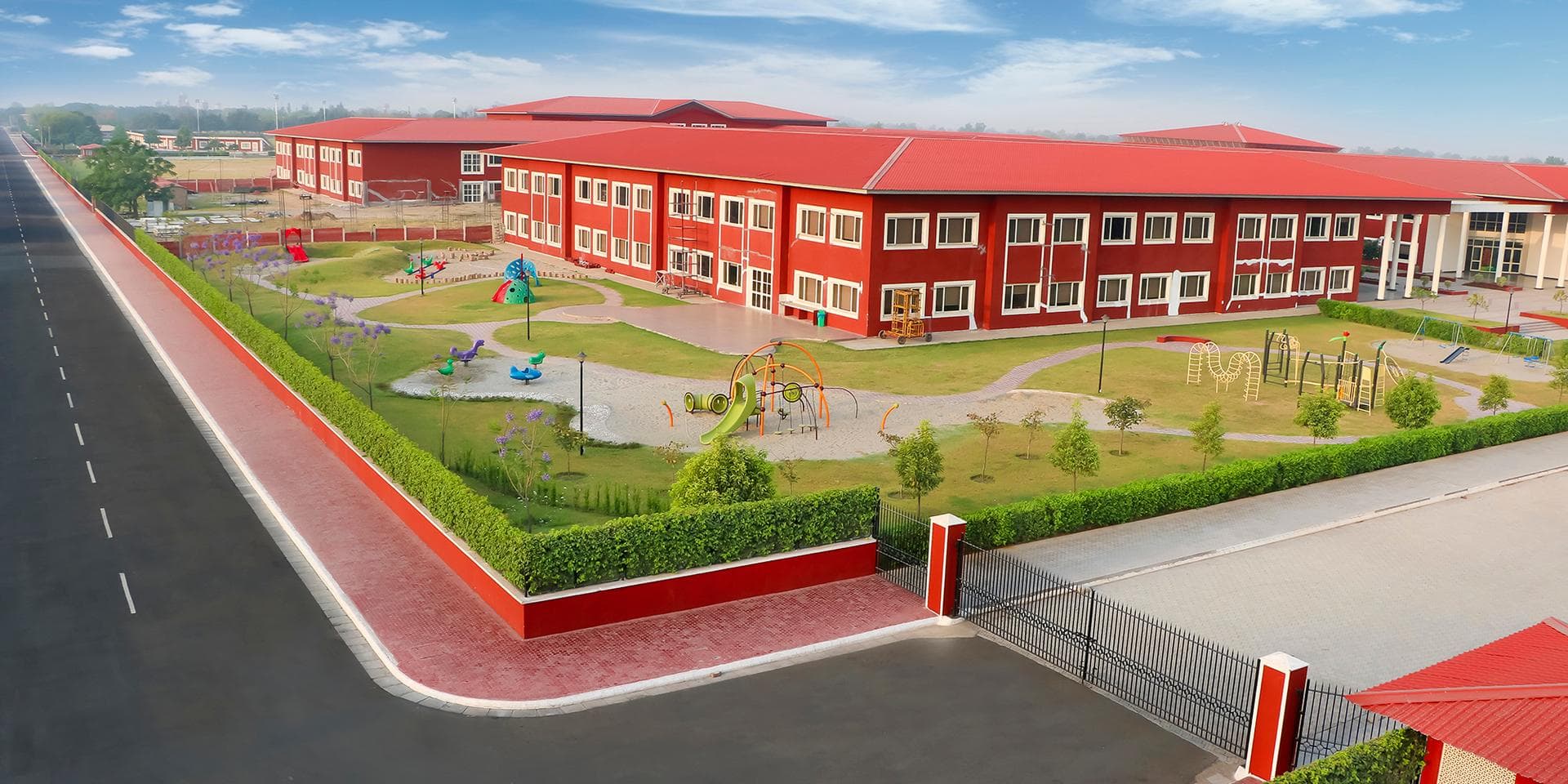
Unleashing Young Minds: Art & Craft in Early Schooling

The Magic of Early Childhood Education: Beyond Books
Early childhood education is a truly magical time, a period of immense growth and discovery where young minds are like sponges, soaking up every new experience. While academic subjects like reading and arithmetic are undoubtedly important, a holistic approach recognizes that learning extends far beyond textbooks and traditional classroom settings. It's about nurturing every aspect of a child's development – their emotional intelligence, social skills, physical coordination, and, crucially, their innate creativity. At Pathseekers School in Beas, Punjab, we firmly believe that these foundational years are pivotal for shaping well-rounded individuals ready to face the world with confidence and innovation.
Many parents often wonder if focusing on art and craft in early schooling takes away from 'serious' learning. However, the truth is quite the opposite. Engaging in creative activities like painting, drawing, sculpting, and crafting actually enhances a child's cognitive abilities and problem-solving skills in profound ways. These activities are not just about making pretty things; they are powerful tools for learning, expression, and exploring the world around them. We integrate art and craft seamlessly into our curriculum, understanding that they are not mere add-ons but essential components of a rich educational experience for our young Pathseekers.
Our philosophy at Pathseekers School aligns perfectly with the National Education Policy (NEP) 2020, which emphasizes experiential learning and a multidisciplinary approach right from the foundational stage. The NEP advocates for moving away from rote learning and towards a more engaging, activity-based pedagogy. Art and craft perfectly embody this vision, providing hands-on opportunities for children to experiment, make mistakes, learn from them, and ultimately, express their unique understanding of concepts. This approach ensures that learning is not just effective but also enjoyable and memorable for every child.
Defining Creativity: More Than Just Artistic Talent
When we talk about creativity, many people immediately think of famous painters or musicians, equating creativity solely with artistic genius. However, creativity is a much broader concept, encompassing the ability to think innovatively, solve problems in new ways, and come up with original ideas. It's about looking at things from different perspectives, connecting seemingly unrelated concepts, and daring to imagine what could be. In the context of early schooling, fostering creativity means encouraging children to explore, question, experiment, and express themselves without fear of judgment.
A child who builds a unique tower out of blocks, tells an imaginative story about their toy, or finds an unconventional way to complete a puzzle is demonstrating creativity. It's not necessarily about producing a masterpiece, but about the process of exploration and discovery. This kind of thinking is crucial for success in all areas of life, from scientific breakthroughs to entrepreneurial ventures. At Pathseekers School, our educators are trained to recognize and nurture these sparks of creativity, providing an environment where every child feels safe to take risks and explore their ideas, no matter how unconventional they may seem.
The CBSE curriculum, especially in its progressive guidelines for primary education, increasingly emphasizes the development of 21st-century skills, with creativity being a cornerstone. It's recognized that future generations will need to adapt quickly to change, innovate, and think critically. Therefore, providing ample opportunities for creative expression from an early age is not just beneficial; it's essential. We design our art and craft activities to be open-ended, allowing children the freedom to interpret tasks in their own ways, thus promoting divergent thinking rather than convergent, 'one-right-answer' approaches.
The Unparalleled Benefits of Art and Craft Activities
The advantages of integrating art and craft into early schooling are extensive and touch upon almost every aspect of a child's development. Firstly, these activities significantly enhance fine motor skills. Holding a paintbrush, cutting with scissors, kneading clay, or threading beads all require precise hand-eye coordination and strengthen the small muscles in the hands and fingers. These skills are fundamental for later tasks like writing, buttoning clothes, and using utensils, making daily life easier and more independent for children.
Beyond physical development, art and craft are powerful catalysts for cognitive growth. When children draw a picture, they are planning, organizing shapes and colors, and making decisions. When they build a model, they are engaging in spatial reasoning and problem-solving. These processes stimulate different parts of the brain, improving memory, concentration, and critical thinking. For instance, a child trying to figure out how to make a paper airplane fly higher is engaging in complex thought processes, even if they don't realize it.
Furthermore, art and craft provide an invaluable outlet for emotional expression. Young children often lack the vocabulary to articulate complex feelings, and art offers them a non-verbal means to communicate their thoughts, fears, joys, and frustrations. A child might draw a bright, happy sun when they feel cheerful, or use dark, swirling colors when they are upset. This ability to express emotions in a healthy way is crucial for emotional intelligence and overall well-being. Our teachers at Pathseekers School understand this and encourage children to talk about their creations, giving insights into their inner worlds.
Developing Fine Motor Skills and Hand-Eye Coordination
One of the most immediate and observable benefits of art and craft for young children is the remarkable development of their fine motor skills. These are the small movements that occur in the wrists, hands, fingers, feet, and toes, which are essential for countless daily activities. Think about how a child learns to pick up a tiny bead, carefully cut along a line with scissors, or precisely place a piece of glitter on a drawing. Each of these actions requires intricate coordination and muscle control that is honed through repeated practice in art and craft sessions.
Activities such as drawing with crayons, painting with brushes, tearing paper, folding origami, stringing beads, and molding clay are specifically designed to strengthen these small muscles. For example, kneading clay not only builds hand strength but also provides sensory input that helps children understand pressure and texture. At Pathseekers School, our kindergarten program includes a rich variety of these hands-on activities, ensuring that children are constantly engaging their fine motor skills in fun and stimulating ways. This foundation is critical for future academic success, particularly in developing legible handwriting.
The improvement in hand-eye coordination is equally significant. This refers to the ability of the brain to process visual information and coordinate the hands to perform a task. When a child paints within the lines, aims a glue stick, or traces a shape, they are actively developing this crucial skill. Without strong hand-eye coordination, tasks like playing sports, using a computer, or even eating independently can be challenging. By making these activities a regular part of our early schooling curriculum, Pathseekers School ensures that our students are building a strong physical foundation that supports all their future learning and life experiences.
Boosting Problem-Solving and Critical Thinking Abilities
Art and craft activities are not just about following instructions; they are fertile ground for cultivating problem-solving and critical thinking skills. When a child is given a set of materials and a general theme, they must think about how to best use those materials to achieve their desired outcome. For example, if they want to create a stable structure, they need to consider the properties of different materials – which ones are strong enough, how to connect them, and what shapes will provide the best support. This involves planning, experimentation, and critical evaluation of their choices.
Consider a scenario where children are asked to build a 'house' using only cardboard boxes, tape, and some fabric scraps. They might encounter problems like the roof collapsing, or the walls not standing upright. Instead of giving them the answer, our teachers at Pathseekers School encourage them to think, "What went wrong? How can we make it stronger? What if we try attaching it this way instead?" This process of identifying a problem, brainstorming solutions, trying them out, and evaluating the results is the very essence of problem-solving. It teaches resilience and adaptability, crucial qualities for lifelong learning.
Furthermore, critical thinking is engaged when children are encouraged to reflect on their creations and the creations of others. "Why did you choose these colors?" "What story does your drawing tell?" "How is your sculpture different from your friend's, even though you used the same materials?" These questions prompt children to analyze, compare, and justify their decisions, thereby sharpening their critical faculties. The open-ended nature of many art projects at Pathseekers School means there isn't just one 'right' answer, fostering an environment where diverse perspectives and innovative solutions are celebrated.
Encouraging Self-Expression and Emotional Development
For young children, art and craft serve as a powerful and often primary medium for self-expression. Before they fully master language, children can communicate complex feelings, ideas, and observations through their creative work. A child who is feeling joyful might use bright, vibrant colors and expansive strokes, while one feeling shy or contemplative might use softer colors and more contained forms. This non-verbal communication is vital for their emotional development, allowing them to process and convey their inner world in a safe and constructive manner.
At Pathseekers School, we create a supportive environment where children feel comfortable expressing themselves authentically through art. There is no 'right' or 'wrong' way to draw a tree or sculpt an animal; the emphasis is on the child's unique interpretation and effort. This freedom from judgment builds self-confidence and self-esteem. When a child proudly presents their artwork, knowing it's a reflection of their own thoughts and feelings, they develop a strong sense of personal agency and worth. This positive affirmation encourages them to explore more deeply and express themselves more freely in all aspects of their lives.
Moreover, engaging in creative activities can be incredibly therapeutic. It provides a calming outlet for children to navigate big emotions, reduce stress, and develop self-regulation skills. For instance, the repetitive motion of drawing or the tactile experience of molding clay can be very soothing. Our teachers observe these interactions closely, using art as a window into a child's emotional state and providing support when needed. By fostering this emotional literacy through creative expression, Pathseekers School helps children build a strong foundation for mental well-being and healthy emotional management.
Integrating Art and Craft with Academic Learning
At Pathseekers School, we strategically integrate art and craft into various academic subjects, demonstrating that creativity is not separate from learning but an integral part of it. This cross-curricular approach makes learning more engaging, memorable, and comprehensive for young students. For example, when children are learning about different animals, they don't just read about them; they might draw their favorite animal, sculpt it from clay, or create a collage depicting its habitat. This hands-on engagement solidifies their understanding and makes the learning experience much richer.
Consider a lesson on the life cycle of a butterfly. Instead of simply looking at pictures, children might create a craft project where they depict each stage: egg, caterpillar, chrysalis, and butterfly, using different materials. This not only reinforces the scientific concepts but also allows them to visualize and interact with the information in a tangible way. Similarly, when learning about shapes, they might go on a 'shape hunt' around the classroom and then draw objects they found that represent circles, squares, and triangles, connecting abstract concepts to their real-world environment.
Even language arts can be enhanced through art and craft. After reading a story, children can draw a picture of their favorite character or scene, or even create puppets to re-enact the story. This not only encourages comprehension and recall but also stimulates their imagination and storytelling abilities. By weaving art and craft into the fabric of our academic curriculum, Pathseekers School ensures that learning is dynamic, interactive, and caters to different learning styles, making complex ideas accessible and exciting for every child, aligning with the experiential learning focus of the CBSE guidelines.
The Role of Teachers and Environment at Pathseekers School
The success of fostering creativity through art and craft heavily relies on the dedication and expertise of our educators and the environment we cultivate at Pathseekers School. Our teachers are not just instructors; they are facilitators, guides, and cheerleaders who understand the profound impact of creative play. They are trained to provide open-ended prompts, offer a wide array of materials, and, most importantly, to step back and allow children the freedom to explore and experiment without imposing their own ideas or expectations.
We ensure that our classrooms are vibrant, stimulating spaces filled with a diverse range of art supplies – from paints, crayons, and markers to recycled materials like cardboard tubes, fabric scraps, and bottle caps. This abundance of resources encourages children to think resourcefully and creatively about what they can make. There are designated art corners where children can freely access materials and work on projects individually or collaboratively. The environment is designed to be child-friendly, organized, and inspiring, fostering a sense of curiosity and wonder.
Furthermore, our teachers at Pathseekers School actively encourage process over product. While the final artwork is often delightful, the true value lies in the journey of creation – the planning, the problem-solving, the decision-making, and the sheer joy of hands-on engagement. They celebrate effort, originality, and the unique perspective of each child, rather than focusing on producing a 'perfect' result. This approach builds confidence, encourages risk-taking, and instills a lifelong love for learning and creative exploration, which are core values of our institution.
Parental Involvement: Continuing Creativity at Home
At Pathseekers School, we strongly believe that education is a collaborative journey between the school and the home. Parental involvement plays a crucial role in reinforcing the creative development fostered in the classroom. When parents actively support and encourage art and craft activities at home, it sends a powerful message to children that creativity is valued and important. This continuity between school and home life creates a consistent environment that nurtures a child's imaginative spirit and encourages them to continue exploring their artistic potential.
Parents don't need to be professional artists to support their child's creativity. Simple things like providing a designated 'art space' at home, even if it's just a corner of a table, and stocking it with basic supplies like paper, crayons, and glue, can make a huge difference. Engaging in art activities together, like drawing side-by-side, making simple crafts, or even just talking about their child's artwork, can strengthen family bonds and show genuine interest in their child's world. Asking open-ended questions like, "Tell me about your drawing," or "What inspired you to make this?" encourages reflection and deeper engagement.
We regularly share ideas and resources with our parents at Pathseekers School, suggesting easy and inexpensive art and craft activities they can do at home. This might include using natural materials found in the garden, repurposing household items, or engaging in collaborative art projects. By working together, school and home can create a powerful synergy that ensures children receive consistent encouragement to think creatively, express themselves freely, and continue their artistic journey beyond the school gates, preparing them for a future where innovation is key.
The Long-Term Impact: Cultivating Lifelong Innovators
The investment in fostering creativity through art and craft during early schooling at Pathseekers School has profound and lasting implications that extend far beyond childhood. The skills developed during these formative years – critical thinking, problem-solving, adaptability, imagination, and self-expression – are not just beneficial for academic success but are essential for thriving in an ever-evolving world. We are not just teaching children to draw or paint; we are cultivating the mindset of lifelong innovators and creative thinkers.
Children who are encouraged to think creatively from a young age are more likely to approach challenges with an open mind, seek novel solutions, and adapt to new situations with greater ease. They develop resilience because they learn that making mistakes is part of the creative process and an opportunity for learning. This comfort with ambiguity and willingness to experiment are invaluable traits in any career path, whether it's in science, technology, business, or the arts. These individuals are the ones who will drive progress and find solutions to the complex problems of the future.
Ultimately, the goal of early schooling at Pathseekers School is to nurture well-rounded individuals who are not only academically competent but also emotionally intelligent, socially aware, and creatively empowered. By placing a strong emphasis on art and craft, we are laying a crucial foundation for our students to become confident, imaginative, and resourceful adults. We believe that by fostering creativity today, we are equipping the next generation with the essential tools to lead fulfilling lives and make meaningful contributions to society, embodying the true spirit of a Pathseeker.
Published by Pathseekers School, Beas — A leading CBSE school in Amritsar, Punjab.
More articles on our official portal