Unlocking Potential: Art & Craft in Early Schooling

The Power of Little Hands and Big Ideas: An Introduction
Art and craft activities are much more than just drawing and cutting paper; they are fundamental building blocks for a child's overall development, especially during their early school years. When young children engage with colours, textures, and different materials, they are not just creating something beautiful, but also exploring their inner world and expressing feelings that they might not yet have words for. This hands-on exploration helps them understand their surroundings better and connect with the world in a very personal and meaningful way, laying a strong foundation for future learning across all subjects and fostering a lifelong love for discovery and creation.
At Pathseekers School in Beas, Punjab, we deeply understand and value the profound impact that art and craft education has on our young learners. Our philosophy centres on holistic development, where academic excellence is perfectly balanced with opportunities for creative expression and personal growth. We believe that by nurturing a child's artistic side from an early age, we empower them with essential skills that extend far beyond the art studio, preparing them for a future that demands innovation, adaptability, and critical thinking in every aspect of life, both personal and professional.
This blog post will explore the myriad benefits of integrating art and craft into early schooling, from developing fine motor skills to boosting cognitive abilities and fostering social-emotional intelligence. We will delve into how these seemingly simple activities contribute significantly to a child's overall well-being and academic success, aligning perfectly with the holistic educational goals set forth by the CBSE curriculum. Join us as we uncover how Pathseekers School champions creativity, helping every child find their unique voice and confidently step onto their path of learning and self-discovery. You might also enjoy reading about Revolutionizing Creativity How Generative Ai Is Changing Des.
Why Creativity Matters in Early Childhood Development
Creativity is often misunderstood as solely an artistic talent, but in the context of early childhood education, it encompasses a much broader set of skills essential for navigating a complex world. It's about thinking outside the box, finding new solutions to problems, and imagining possibilities that don't yet exist. When children are encouraged to be creative, they learn to experiment without fear of failure, developing resilience and a proactive approach to challenges. This early exposure to creative thinking builds neural pathways in the brain that support higher-order thinking skills, which are crucial for academic success and real-world application.
For young children, creativity is the bedrock of their learning journey, allowing them to make sense of their environment and express their unique perspectives. It's not just about producing a masterpiece; it's about the process of exploration, discovery, and self-expression. Engaging in creative activities stimulates various parts of the brain, improving memory, attention span, and the ability to process information. This holistic brain development ensures that children are not just memorizing facts but are truly understanding concepts and able to apply them in diverse situations, fostering a deeper, more meaningful engagement with their studies.
At Pathseekers School, we integrate creative activities into our daily curriculum because we recognize that fostering creativity from a young age is key to raising adaptable, innovative, and confident individuals. We provide an environment where children feel safe to explore their ideas, make choices, and express themselves freely. This approach helps children develop a strong sense of self, an eagerness to learn, and the ability to approach new situations with curiosity and an open mind, all vital qualities for thriving in the modern world and beyond their school years. Learn more about Indias Latest Initiative Revolutionizing Healthcare Through to expand your understanding.
Art and Craft as a Language of Expression
For many young children, their vocabulary is still developing, and they may struggle to put complex feelings or intricate ideas into words. This is where art and craft become an incredibly powerful and accessible language of expression. Through drawing, painting, sculpting, or collaging, children can communicate their joys, fears, dreams, and observations without needing a single spoken word. A vibrant painting might reveal a child's excitement about a sunny day, while a darker, more abstract creation could convey feelings of sadness or confusion, offering invaluable insights into their emotional world.
This non-verbal form of communication is fundamental for emotional intelligence development. When children can express themselves through art, they learn to acknowledge and process their emotions in a healthy way. It provides an outlet for feelings that might otherwise remain bottled up, leading to frustration. Educators and parents can also gain a deeper understanding of a child's inner landscape by observing their artistic creations, allowing them to offer more targeted support and guidance. This expressive freedom builds confidence and self-awareness, knowing that their feelings and ideas are valid and can be shared.
At Pathseekers School, our art and craft sessions are designed to be safe spaces where every child feels empowered to express their unique voice. Teachers encourage children to talk about their artwork, explaining their choices of colour or material, which further enhances their verbal communication skills by connecting words to their creative output. Whether it's crafting a story through puppets or building a miniature city from recycled materials, these activities help children articulate their imagination and thoughts, fostering a rich tapestry of self-expression that is both personal and deeply meaningful, preparing them for more complex communication later on. A related topic worth checking out is learning methods.
Developing Fine Motor Skills and Hand-Eye Coordination
Engaging in art and craft activities provides an excellent training ground for developing crucial fine motor skills, which are the small, precise movements of the hands and fingers. Tasks like holding a paintbrush, cutting with scissors, gluing small pieces of paper, threading beads, or moulding clay all require intricate control and coordination. These activities strengthen the muscles in a child's hands and fingers, improving their dexterity and preparing them for more complex tasks later on, such as writing, buttoning clothes, or tying shoelaces, which are essential for daily independence and academic readiness.
Closely linked to fine motor development is hand-eye coordination – the ability of the eyes to guide the hands in performing a task. When a child draws a line, cuts along a shape, or places a bead onto a string, their eyes are constantly communicating with their hands. This continuous practice refines their visual perception and motor control, which are vital skills not just for artistic endeavours but for almost every aspect of academic learning and daily life. Improved hand-eye coordination enhances a child's ability to track words on a page, copy from a whiteboard, and accurately manipulate objects in their environment. For practical tips, see this guide on Revolutionizing Creativity How Generative Ai Is Changing Des.
At Pathseekers School, our early years curriculum intentionally incorporates a wide range of art and craft activities that specifically target the development of these essential skills. From simple finger painting for our youngest learners to more intricate paper folding and collage work for older primary students, every activity is chosen to progressively challenge and refine these motor skills. We believe that strong fine motor skills and excellent hand-eye coordination are not just beneficial for art, but are foundational for academic success, particularly in subjects requiring precise pencil control like writing and drawing diagrams in science and mathematics, setting our students up for success.
Boosting Cognitive Development and Problem-Solving
Art and craft activities are powerful catalysts for cognitive development, stimulating various parts of the brain and encouraging children to think critically and creatively. When a child embarks on an art project, they are constantly making decisions: which colour to use, what material would best represent their idea, or how to combine different elements to achieve a desired outcome. This process of decision-making, experimentation, and adjustment sharpens their problem-solving abilities, teaching them to consider different approaches and anticipate the results of their choices, developing their capacity for strategic thinking.
Furthermore, engaging with art and craft helps children develop spatial reasoning and an understanding of shapes, sizes, and patterns. Building a sculpture requires understanding three-dimensional space, while creating a collage involves arranging elements within a two-dimensional frame. These activities enhance their ability to visualize, plan, and execute, which are crucial cognitive skills that transfer directly to subjects like mathematics, geometry, and even science. They learn about cause and effect, how different materials behave, and the basic principles of design, all through hands-on, enjoyable exploration rather than abstract concepts. If this interests you, also read about Revolutionizing Creativity How Generative Ai Is Changing Des.
At Pathseekers School, our educators guide students through open-ended art projects that encourage independent thought and innovative solutions. For instance, a challenge might be to build a bridge using only paper and glue, prompting children to experiment with different folding techniques and structural designs. This approach fosters resilience, as children learn that 'mistakes' are opportunities for learning and refinement, not failures. By providing opportunities to tackle creative challenges, we empower our students to become confident problem-solvers who are not afraid to experiment and innovate, preparing them for the intellectual demands of the CBSE curriculum and beyond.
Fostering Social-Emotional Growth and Collaboration
Art and craft activities are not just solitary pursuits; they often provide rich opportunities for social-emotional growth and collaborative learning. When children work on group projects, they learn to share materials, negotiate ideas, and appreciate different perspectives. This interaction helps them develop essential social skills such as communication, cooperation, and empathy. They learn to listen to others' ideas, contribute their own, and work together towards a common goal, fostering a sense of teamwork and mutual respect that is invaluable both inside and outside the classroom environment.
Beyond collaboration, art and craft also play a significant role in building a child's self-esteem and confidence. The act of creating something with their own hands, from conception to completion, provides a tangible sense of accomplishment. Every child's artwork is unique and valuable, and when their creations are displayed and appreciated, it reinforces their sense of worth and encourages further creative exploration. This positive reinforcement helps children develop a strong sense of self, encouraging them to take pride in their efforts and embrace their individuality, which is a cornerstone of emotional well-being. This is closely related to Indias Latest Initiative Empowering Rural Women Through Digi — a must-read for parents.
At Pathseekers School, we design many art and craft projects to promote these crucial social-emotional skills. For example, during a community art project, students might work together to create a large mural for the school hallway, learning to divide tasks, offer constructive feedback, and celebrate collective achievement. We also emphasize the process over the product, teaching children patience and perseverance as they work through challenges, and helping them understand that 'mistakes' are simply steps in the learning journey. These experiences cultivate not only artistic talent but also resilient, empathetic, and confident individuals ready to engage positively with the world.
Connecting Art and Craft to the CBSE Curriculum
While often seen as separate, art and craft are seamlessly integrated into the CBSE curriculum, especially in the early and primary years, acting as powerful tools for reinforcing learning across various subjects. The National Curriculum Framework (NCF) and the CBSE guidelines strongly advocate for an integrated approach, where art is not just an isolated subject but a medium through which concepts in Environmental Studies (EVS), Mathematics, and Language are explored and understood. This interdisciplinary approach makes learning more engaging, memorable, and relevant for young students, helping them connect abstract ideas to concrete experiences.
For instance, in EVS, children might create models of different ecosystems, draw life cycles of plants and animals, or craft posters illustrating environmental conservation themes. These hands-on projects deepen their understanding of scientific concepts, encourage observation, and foster a sense of responsibility towards their environment. In Mathematics, art can be used to explore shapes, patterns, symmetry, and fractions through designing mandalas, creating geometric collages, or building structures with specific dimensions. This makes abstract mathematical concepts tangible and fun, helping children grasp them more intuitively. You might also enjoy reading about smart classrooms.
At Pathseekers School, we actively implement this integrated learning approach, ensuring that art and craft are woven into the fabric of our daily lessons. Our teachers might ask students to illustrate a story they've read in their language class, design a cover for their science project report, or create a timeline of historical events through a craft activity. This not only makes learning more interactive and enjoyable but also caters to different learning styles, ensuring that every child has an opportunity to excel. By connecting art and craft to the core curriculum, we help our students build a comprehensive understanding of subjects and develop a more holistic learning experience, aligning perfectly with CBSE's vision for well-rounded education.
The Role of Educators: Guiding, Not Dictating
The success of fostering creativity through art and craft in early schooling largely depends on the approach taken by educators. Rather than dictating what children should create or how their artwork should look, effective teachers act as facilitators, providing guidance, encouragement, and a rich array of materials. They understand that the process of creation is far more valuable than the final product, and they celebrate effort, experimentation, and individual expression. This supportive environment is crucial for children to feel safe enough to explore, take risks, and develop their unique artistic voice without fear of judgment. Learn more about Breakthrough In Neuromorphic Computing The Emergence Of Next to expand your understanding.
A key aspect of this facilitative role is creating an inviting and stimulating learning environment. This involves setting up dedicated art corners with diverse, open-ended materials such as paints, crayons, clay, fabric scraps, natural objects, and recycled items. Teachers introduce different techniques and tools but then step back, allowing children the freedom to choose their materials and methods. They ask open-ended questions like, “Tell me about your drawing,” or “What were you thinking when you chose these colours?” which encourages reflection and deeper engagement with their creative process, rather than just focusing on the outcome.
At Pathseekers School, our educators are trained to nurture creativity through gentle encouragement and thoughtful engagement. They provide just enough structure to inspire, but ample freedom for exploration. For instance, instead of providing a template for a butterfly, a teacher might show pictures of different butterflies and provide various materials, asking children to create their own unique interpretation. This approach empowers students to be original thinkers and creators, fostering independence and a strong sense of self-efficacy. By valuing the child's perspective and effort, our teachers help cultivate a lifelong love for learning and creative expression, making art an integral part of their personal and academic journey.
Pathseekers School's Approach to Nurturing Young Artists
At Pathseekers School in Beas, Punjab, we take immense pride in our dedicated approach to nurturing creativity and artistic talent from the very first steps of a child's educational journey. Our school environment is designed to be a vibrant hub where imagination is celebrated, and every child is encouraged to explore their creative potential without inhibition. We believe that providing a rich and varied artistic experience is not an optional extra, but a fundamental component of a comprehensive and high-quality education, reflecting our commitment to developing well-rounded individuals who are prepared for all aspects of life. A related topic worth checking out is Indias Latest Breakthrough In Transportation The Introductio.
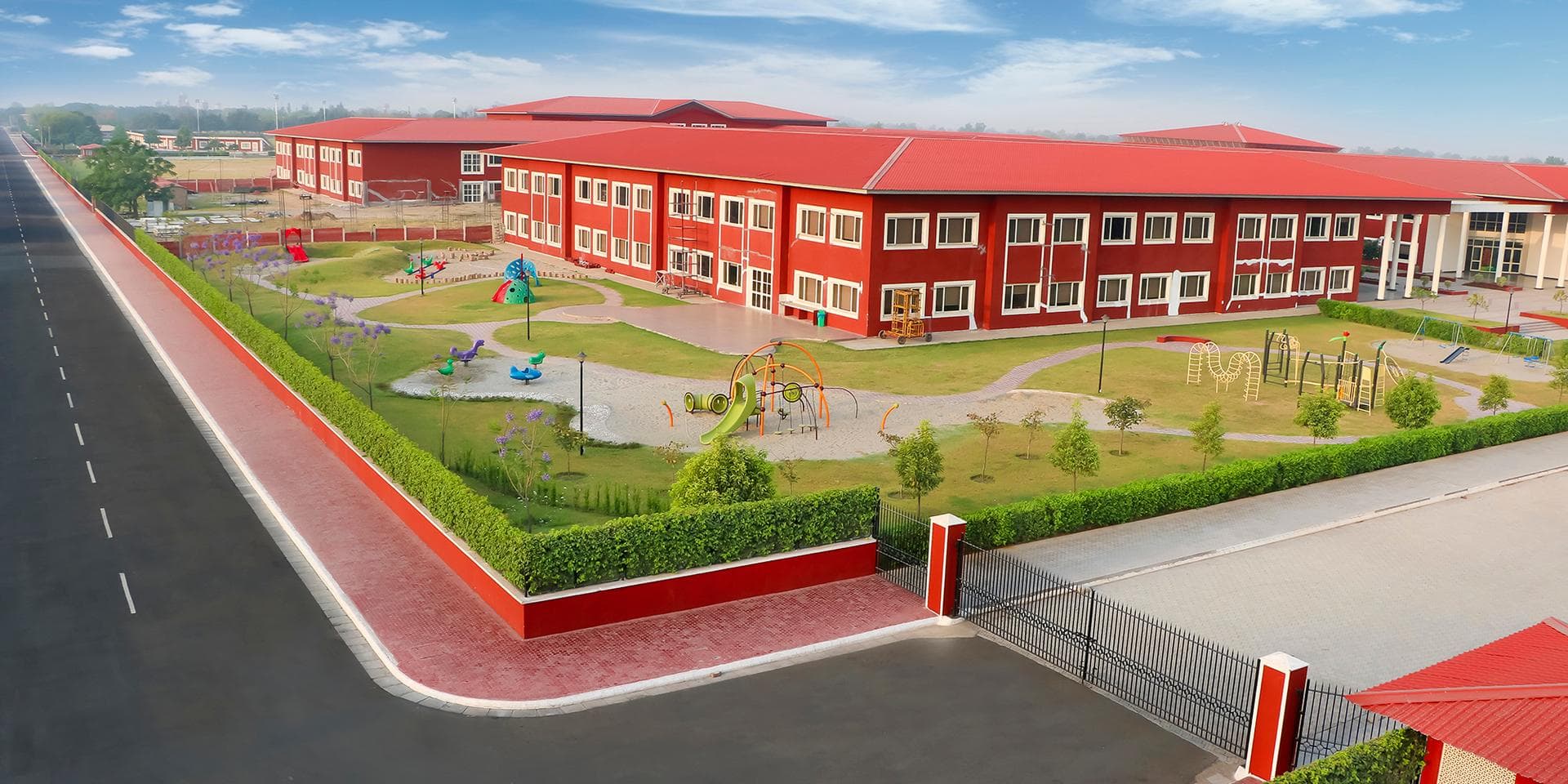
Our art and craft program is thoughtfully structured, integrating a wide array of activities that cater to different developmental stages and interests. From sensory play with dough and sand for our preschoolers, to intricate collage work, painting, pottery, and even simple fabric crafts for our primary students, the curriculum is diverse and engaging. We ensure that children are exposed to various art forms, materials, and techniques, allowing them to discover their preferences and strengths. Our dedicated art room is well-equipped with child-friendly tools and a colourful palette of resources, providing an inspiring space for creativity to flourish and ideas to take shape.
Beyond the classroom, Pathseekers School also fosters a culture of artistic appreciation. We regularly display student artwork throughout the school premises, celebrating their efforts and boosting their confidence. We also encourage parental involvement, providing suggestions for art activities that can be enjoyed at home, further extending the creative learning experience. Our annual school exhibitions often feature a special section for art and craft, allowing students to showcase their talents to a wider audience. This holistic approach ensures that art and craft are not just subjects, but a way of life at Pathseekers School, building a strong foundation for lifelong learning and innovation.
Conclusion: Building a Foundation for Lifelong Learning and Innovation
In conclusion, the integration of art and craft into early schooling is far more than just a recreational activity; it is a foundational pillar for holistic child development. From the earliest years, these hands-on experiences empower children with an invaluable toolkit of skills that extend across all domains of learning and life. We have seen how art and craft foster essential fine motor skills, sharpen hand-eye coordination, and boost cognitive abilities like problem-solving and critical thinking. They provide a unique language for emotional expression and cultivate crucial social-emotional attributes such as collaboration, patience, and self-confidence, all of which are indispensable for future success. For practical tips, see this guide on digital learning.
At Pathseekers School in Beas, Punjab, we are deeply committed to providing an educational environment where creativity is not just encouraged, but actively woven into the fabric of our curriculum. By embracing the principles advocated by the CBSE for integrated learning, we ensure that art and craft serve as powerful mediums to enhance understanding in subjects like EVS, Mathematics, and Language, making learning more engaging and meaningful. Our dedicated educators guide students with empathy and expertise, fostering an atmosphere where exploration and experimentation are celebrated, and every child feels empowered to unleash their unique artistic potential and develop their individual voice.
The skills developed through art and craft in early schooling are not confined to childhood; they lay a robust foundation for lifelong learning, adaptability, and innovation in an ever-changing world. Children who are encouraged to think creatively, solve problems resourcefully, and express themselves confidently are better equipped to navigate challenges, embrace new ideas, and contribute meaningfully to society. We invite parents to join us in championing the profound power of art and craft, recognizing its pivotal role in shaping bright, imaginative, and resilient individuals who will undoubtedly become the pathseekers of tomorrow, ready to create their own futures with confidence and ingenuity.
Recommended Reading & Resources
Explore these related articles and resources to deepen your understanding of this topic:
- smart classrooms
- Revolutionizing Design The Impact Of Generative Ai On Creati
- Indias Thriving Biotech Industry A New Era Of Medical Breakt
- Revolutionizing Design The Impact Of Generative Ai On Creati
- Revolutionizing Design The Impact Of Generative Ai On Creati
- Unveiling The Asus Tug Gaming Laptop A Paradigm Shift In Por
- Cracking The Seo Code Unveiling The Future Of Digital Suprem
- Common Mistakes To Avoid In Log Cabin Rotten Log Repair
- Can You Recover Legal Fees In Quebec Civil Litigation
- Looking For A Wordpress Web Design Company Heres What You Sh
Published by Pathseekers School, Beas — A leading CBSE school in Amritsar, Punjab.
More articles on our official portal