Unlocking Young Minds: Art & Craft for Creativity in Early Schooling

1. The Canvas of Early Learning: Why Art & Craft Matter
In the vibrant journey of early schooling, children are like tiny sponges, soaking up every experience and interaction. At Pathseekers School in Beas, Punjab, we deeply understand that these formative years are not just about textbooks and numbers; they are about fostering a love for learning, encouraging curiosity, and nurturing individual talents. Art and craft activities stand out as powerful tools in this process, offering a unique avenue for children to express themselves, explore their world, and develop foundational skills that will serve them for a lifetime.
Think about a child with a crayon in hand, drawing their first wobbly line, or a little one meticulously gluing colorful paper pieces onto a sheet. These seemingly simple acts are profound learning experiences. They are not just creating a picture; they are building connections in their brains, learning to focus, and understanding cause and effect. Our approach at Pathseekers School ensures that every child gets ample opportunities to engage in such hands-on activities, recognizing their immense value beyond just producing a pretty piece of art.
The early years of education lay the groundwork for all future learning. When children are exposed to a rich environment that encourages exploration and creativity through art and craft, they develop a stronger sense of self and a greater capacity for innovative thinking. This holistic development is a cornerstone of the CBSE curriculum for early childhood, which emphasizes experiential learning and skill development. We believe that by making art and craft an integral part of our daily routine, we are not just teaching children to draw or paint, but empowering them to think, imagine, and create their own pathways. You might also enjoy reading about Revolutionizing Creativity How Generative Ai Is Changing Des.
2. Beyond Stick Figures: Defining Creativity in Children
When we talk about creativity in children, it's not always about producing a masterpiece worthy of a gallery. For young learners, creativity is about the process of exploration, experimentation, and self-expression. It’s the freedom to combine colors in unexpected ways, to build a tower that defies gravity, or to tell a story through a handmade puppet. At Pathseekers School, we celebrate every unique creation, understanding that each piece reflects a child’s individual thought process and imagination, rather than focusing on a perfect end product.
Creativity in early schooling means giving children the space to make choices, to solve small problems, and to express their feelings without judgment. It’s about encouraging them to ask ‘what if?’ and ‘why not?’. When a child decides to paint a tree purple or a sky green, they are not making a mistake; they are exploring possibilities and challenging conventional ideas. This kind of imaginative play and artistic freedom is crucial for developing flexible thinking and resilience, skills that are highly valued in all aspects of life and future careers.
A truly creative environment is one where children feel safe to take risks and learn from their efforts. At Pathseekers School, our teachers guide children to think outside the box, providing a wide array of materials and open-ended prompts that invite diverse responses. We encourage children to describe their artwork, explaining their choices and the stories behind their creations, which further strengthens their communication and critical thinking skills. This approach helps them understand that creativity is not just about talent, but about effort, imagination, and the courage to try new things. Learn more about Indias Latest Initiative Empowering Rural Women Through Digi to expand your understanding.
3. The Science Behind the Smudge: How Art Builds Brains
Engaging in art and craft activities does much more than just keep children entertained; it actively stimulates brain development in profound ways. When a child paints, draws, or sculpts, they are using multiple senses and brain areas simultaneously. This multi-sensory engagement helps create stronger neural pathways, enhancing cognitive functions like memory, attention span, and problem-solving abilities. It’s a full-brain workout disguised as fun, laying crucial foundations for academic success in later years.
Art activities promote the development of both the left and right hemispheres of the brain. The left brain, responsible for logic and language, is engaged when children follow instructions, identify shapes, or sequence steps in a craft project. The right brain, associated with creativity, intuition, and emotional processing, flourishes during free-form drawing, imaginative play, and color mixing. At Pathseekers School, we design activities that balance these aspects, ensuring a well-rounded cognitive development for our young learners, preparing them for the complex demands of the CBSE curriculum.
Furthermore, the process of creating art helps children develop their ability to visualize and conceptualize abstract ideas. When they imagine a character for a story and then draw it, they are translating abstract thoughts into concrete forms. This ability to move between abstract thinking and concrete representation is a fundamental skill for subjects like mathematics and science. Our dedicated art and craft sessions provide a safe and encouraging space for children to practice this vital skill, fostering a deeper understanding of the world around them. A related topic worth checking out is Indias Latest Initiative Revolutionizing Healthcare Through .
4. Tiny Hands, Big Skills: Enhancing Fine Motor Control
One of the most immediate and visible benefits of art and craft activities in early schooling is the significant improvement in fine motor skills. These are the small, precise movements made with the hands and fingers, essential for tasks like writing, buttoning clothes, tying shoelaces, and using utensils. Activities such as cutting with scissors, gluing small pieces, drawing intricate patterns, or molding clay are perfect exercises for strengthening the muscles in children's hands and improving their hand-eye coordination.
At Pathseekers School, our early years program incorporates a wide range of craft activities specifically designed to target fine motor development. For instance, children might engage in bead stringing, tearing paper into shapes, or using playdough to create various forms. These tasks require concentration and precision, gradually building the strength and dexterity needed for more complex academic tasks, such as forming letters and numbers correctly. The joy of creating something beautiful also motivates them to keep practicing these important skills. For practical tips, see this guide on Revolutionizing Creativity How Generative Ai Is Changing Des.
Improved fine motor skills directly impact a child’s readiness for formal schooling and their ability to keep up with curriculum demands. A child with strong fine motor control will find it easier to write neatly and efficiently, reducing frustration and allowing them to focus more on the content of their work rather than the mechanics of writing. Our teachers at Pathseekers School observe and guide each child, offering appropriate challenges that support their individual developmental pace, ensuring that every student builds a solid foundation for future academic success.
5. Emotional Expression: A Palette of Feelings
Art and craft provide a powerful, non-verbal outlet for children to express their emotions, thoughts, and experiences. Young children often lack the vocabulary or emotional maturity to articulate complex feelings like sadness, anger, or joy. Through drawing, painting, or sculpting, they can convey what they are feeling in a safe and constructive way. This emotional release is incredibly beneficial for their mental well-being and helps them process their internal world.
At Pathseekers School, we often encourage children to draw or create something that represents how they feel, or to tell a story through their art. A bright, colorful drawing might indicate happiness, while darker colors or chaotic lines could signal frustration. Our teachers are trained to observe these cues and engage children in conversations about their artwork, helping them to identify and name their emotions. This process builds emotional literacy and self-awareness, crucial components of healthy personal development. If this interests you, also read about Revolutionizing Creativity How Generative Ai Is Changing Des.
Moreover, the act of creating art can be incredibly therapeutic. It allows children to focus their energy, calm their minds, and find a sense of accomplishment. When a child completes an art project, they experience a boost in self-esteem and confidence. This positive feedback loop encourages them to explore their creativity further and feel more secure in expressing themselves. By providing a rich environment for artistic expression, Pathseekers School supports the emotional growth of every child, fostering resilient and self-assured individuals.
6. Problem-Solving Masterpieces: Art as a Thinking Tool
Every art and craft project is, in essence, a series of small problem-solving challenges. From deciding which colors to use, to figuring out how to attach two pieces of paper, or how to make a clay figure stand upright, children are constantly engaging their critical thinking skills. These challenges encourage them to think flexibly, experiment with different solutions, and learn from their mistakes. This practical application of problem-solving is far more engaging and memorable than theoretical exercises.
Consider a child trying to build a stable structure with blocks or creating a collage with limited materials. They must plan, adapt, and innovate. If a piece doesn't fit, they don't give up; they try a different angle or find an alternative material. This iterative process of trial and error is fundamental to developing strong problem-solving skills. At Pathseekers School, our teachers provide open-ended art prompts that encourage children to find their own solutions, rather than simply following a step-by-step guide, thus nurturing independent thought. This is closely related to quality education — a must-read for parents.
These problem-solving skills developed through art and craft are directly transferable to academic subjects and real-life situations. A child who learns to think creatively to solve an artistic challenge will be better equipped to tackle a tricky math problem or find an innovative solution to a social dilemma. By consistently engaging children in these thought-provoking activities, Pathseekers School helps them build a robust foundation for analytical thinking and creative problem-solving, preparing them not just for school, but for life.
7. Connecting to the Curriculum: Art in the CBSE Framework
Art and craft are not just extracurricular activities; they are integral components of a well-rounded education, fully supported by the CBSE curriculum framework. The National Curriculum Framework (NCF) and the CBSE guidelines for early childhood education emphasize the importance of experiential learning, skill development, and holistic growth, all of which are perfectly addressed through art and craft. These activities provide a practical and engaging way to reinforce concepts learned in other subjects, making education more meaningful and enjoyable for young children.
For example, when children create models of animals or plants, they are not only practicing their fine motor skills but also reinforcing their understanding of science concepts related to living things. When they draw maps or illustrate stories, they are enhancing their literacy and geographical awareness. At Pathseekers School, our educators expertly weave art and craft into various subject areas, ensuring that learning is interconnected and comprehensive. This cross-curricular approach helps children see the relevance of what they learn and how different subjects are related. You might also enjoy reading about Indias Latest Breakthrough In Biotechnology A New Era Of Med.
The CBSE curriculum also promotes the development of life skills, and art and craft play a significant role here. Children learn patience, perseverance, attention to detail, and the ability to work independently or collaboratively on projects. These are invaluable skills that contribute to a child's overall development and readiness for higher grades. By integrating art and craft deeply into our educational philosophy, Pathseekers School ensures that our students receive an education that is not only academically strong but also rich in creative and practical experiences.
8. Pathseekers School's Approach: Nurturing Young Artists
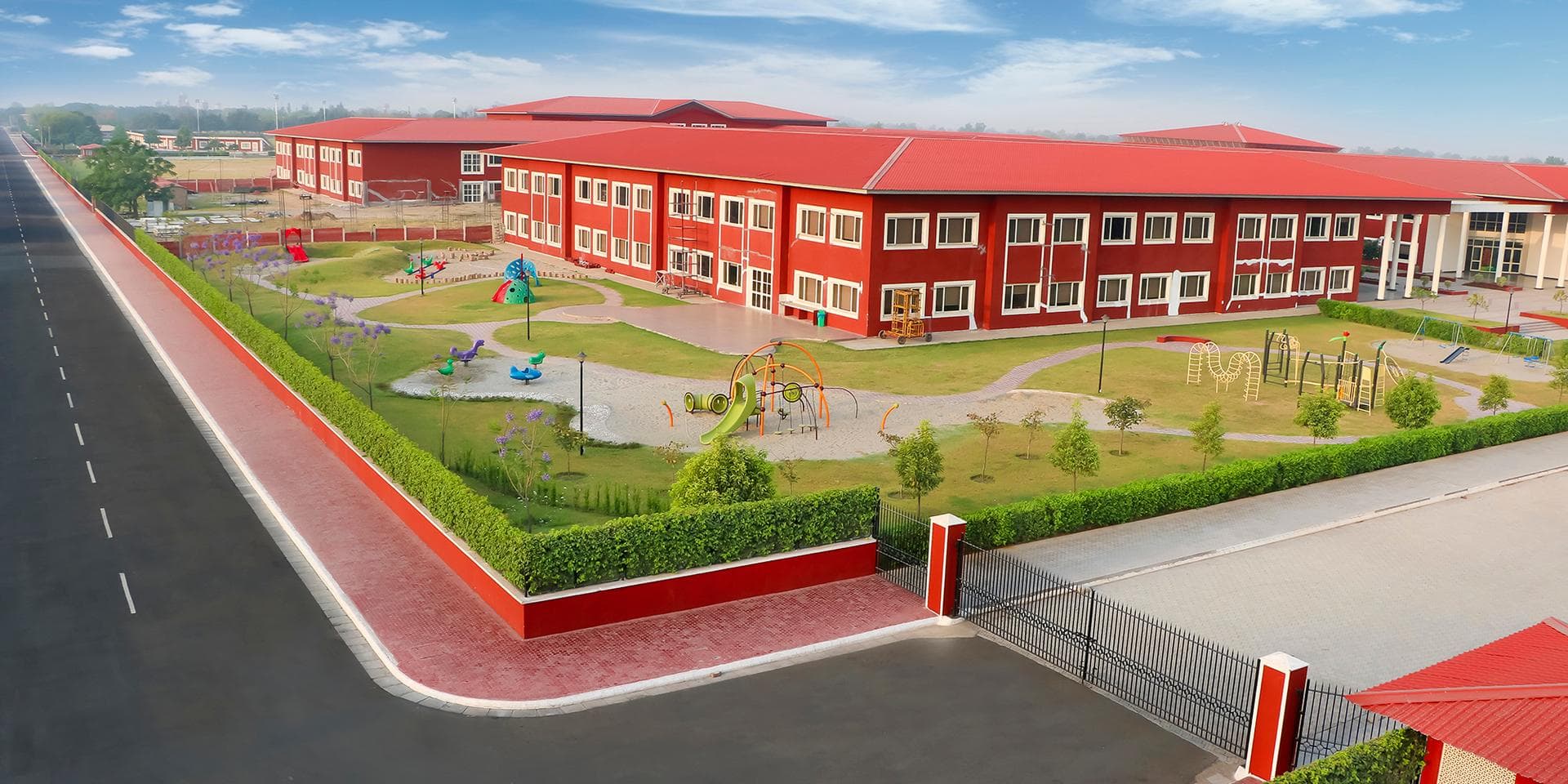
At Pathseekers School in Beas, Punjab, we take immense pride in our unique and comprehensive approach to fostering creativity through art and craft. Our dedicated art room is a vibrant hub of activity, equipped with a wide array of materials – from paints and clay to recycled items and natural elements – encouraging children to explore different textures, colors, and forms. We believe in providing a stimulating environment where every child feels inspired to unleash their imagination and express their unique perspective without reservation. Learn more about smart classrooms to expand your understanding.
Our curriculum integrates regular art and craft sessions that are carefully planned to be age-appropriate and developmentally beneficial. For our youngest learners, activities focus on sensory exploration and basic manipulation, like finger painting or playdough modeling. As children progress, they engage in more complex projects that involve cutting, gluing, weaving, and sculpting, gradually building their skills and confidence. Teachers at Pathseekers School act as facilitators, guiding children, offering suggestions, and most importantly, celebrating every child's effort and unique creation.
Beyond structured lessons, Pathseekers School also encourages spontaneous art and craft activities during free play time. We believe that providing open-ended materials and space allows children to initiate their own projects, fostering intrinsic motivation and independent learning. We frequently showcase children’s artwork throughout the school, creating a culture of appreciation and pride in their creative achievements. This holistic emphasis ensures that art and craft are not just subjects, but a way of learning and being for our students.
9. Simple Steps for Parents: Bringing Creativity Home
Parents are a child's first teachers, and their involvement in fostering creativity at home is invaluable. You don't need to be an artist yourself to encourage your child's artistic journey. Simple steps can make a big difference. Firstly, provide easy access to a variety of art materials like crayons, markers, paper, glue, and child-safe scissors. Having these readily available encourages spontaneous creative play, allowing children to express themselves whenever inspiration strikes, just as we do at Pathseekers School. A related topic worth checking out is Indias Latest Breakthrough In Renewable Energy A New Era Of .
Secondly, focus on the process, not just the product. Instead of asking, “What is it?” ask, “Tell me about your drawing.” or “What did you enjoy most about making this?” This shifts the emphasis from perfection to exploration and self-expression. Appreciate their effort and imagination, even if the final result seems abstract or unconventional to an adult eye. Your positive reinforcement builds their confidence and encourages them to continue experimenting with different ideas and techniques.
Lastly, join in the fun! Sit down with your child and create something alongside them. It doesn't have to be perfect; the act of creating together strengthens your bond and models a love for imaginative play. Visit local art galleries, parks, or even just observe nature together, pointing out colors, shapes, and patterns. These shared experiences enrich their understanding of the world and provide endless inspiration for their own artistic endeavors, complementing the foundational work done at Pathseekers School.
10. Shaping Future Innovators, One Creation at a Time
In conclusion, the role of art and craft in early schooling extends far beyond mere aesthetics. It is a fundamental pillar for holistic child development, nurturing creativity, enhancing cognitive and motor skills, fostering emotional expression, and sharpening problem-solving abilities. At Pathseekers School in Beas, Punjab, we are deeply committed to providing a rich, stimulating environment where every child can explore their artistic potential and develop a lifelong appreciation for learning and innovation. We believe that these early experiences lay the essential groundwork for future success in all academic and personal pursuits. For practical tips, see this guide on Indias Latest Breakthrough In Disaster Management A New Era .
By integrating art and craft seamlessly into our CBSE-aligned curriculum, we are not just teaching children to draw or paint; we are teaching them to observe, to question, to imagine, and to express themselves confidently. We are helping them build resilience, critical thinking, and the ability to adapt in an ever-changing world. Each brushstroke, each cut, and each piece of clay molded contributes to the development of a well-rounded individual, ready to face challenges with ingenuity and an open mind.
As children grow and move through their educational journey, the creative foundations built during their early years at Pathseekers School will continue to serve them. They will carry with them not just memories of colorful projects, but also the invaluable skills of self-expression, innovative thinking, and problem-solving. We are proud to be shaping a generation of future innovators, thinkers, and compassionate individuals, one unique artistic creation at a time. Join us in celebrating the power of art and craft in transforming young lives.
Recommended Reading & Resources
Explore these related articles and resources to deepen your understanding of this topic:
- Indias Latest Breakthrough In Quantum Computing A New Era Of
- innovation in education
- Revolutionizing Design The Impact Of Generative Ai On Creati
- Revolutionizing Design The Impact Of Generative Ai On Creati
- Revolutionizing Design The Impact Of Generative Ai On Creati
- effective learning
- Beyond The Nexus Unveiling The Paradox Of Artificial Intelli
- Daily Web Seo Tricks Unveiling The Nexus Of Digital Supremac
- The Real Advantage Of Locking In Your Supply Chain
- Unveiling The Asus Tug Gaming Laptop A Paradigm Shift In Por
Published by Pathseekers School, Beas — A leading CBSE school in Amritsar, Punjab.
More articles on our official portal