Unlocking Young Minds: Art & Craft for Early Childhood Creativity

The Magic of Early Childhood Creativity: A Foundation for Life
Welcome, dear parents and guardians, to the exciting world of early childhood education at Pathseekers School in Beas, Punjab! We often hear about the importance of reading, writing, and arithmetic, and rightly so. However, there's a magical realm of learning that sometimes gets overlooked, yet it's absolutely vital for our children's future: the realm of creativity. From the moment children pick up a crayon or play with clay, they are embarking on a journey of discovery, expression, and innovation that shapes their entire being.
At Pathseekers School, we firmly believe that fostering creativity is not just a pleasant extra-curricular activity; it is a fundamental pillar of a child's early development. It’s about more than just making pretty pictures; it’s about nurturing a curious mind, a confident spirit, and a problem-solving attitude. Our dedicated educators understand that the early years are a critical window for developing these essential life skills, and art and craft activities provide the perfect platform for this growth.
In this detailed blog post, we will explore why art and craft are so incredibly important in early schooling. We will delve into how these activities help children grow in many ways, from improving their hand movements to expressing their feelings and thinking creatively. Our goal is to show you how Pathseekers School integrates these vibrant experiences into our daily learning, ensuring every child has the chance to shine and build a strong foundation for lifelong learning and success, aligning perfectly with the holistic vision of the CBSE curriculum. You might also enjoy reading about learning methods.
What is Creativity and Why is it Important for Young Minds?
Before we dive deeper, let's understand what creativity truly means, especially for our young learners. Creativity isn't just about being an artist or a musician; it's about thinking in new ways, finding different solutions to problems, and using imagination to explore ideas. For a child, creativity might mean building a unique tower with blocks, telling an imaginative story about a drawing, or even figuring out a new way to share toys with a friend. It’s about the ability to generate new ideas and connect existing ones in novel ways.
Why is this so important for young minds? Because creativity helps children become adaptable and resourceful. In a rapidly changing world, the ability to think flexibly and come up with original ideas is a highly valued skill. When children are encouraged to be creative, they learn to take risks, to experiment, and to not be afraid of making mistakes. These experiences build resilience and a growth mindset, which are crucial for overcoming challenges later in life, both inside and outside the classroom.
Moreover, creativity is deeply linked to all aspects of learning. It helps children understand complex concepts by allowing them to visualize and interpret information in their own unique ways. For instance, when a child draws a picture of a plant growing, they are not only being creative but also reinforcing their understanding of science. This holistic approach to learning, where subjects are interconnected, is a core principle at Pathseekers School and is strongly supported by the CBSE framework, which emphasizes experiential learning. Learn more about Indias Latest Initiative Empowering Rural Women Through Digi to expand your understanding.
Art and Craft: More Than Just Playtime
Sometimes, art and craft activities are mistakenly seen as just 'playtime' or a way to keep children busy. However, at Pathseekers School, we know they are much, much more. These activities are powerful educational tools that engage children's senses, minds, and bodies in a way that traditional lessons often cannot. They provide a unique space for exploration, discovery, and the development of essential skills that will serve them throughout their academic journey and beyond.
When a child is engaged in an art or craft project, they are not simply following instructions; they are making choices. They decide what colors to use, what shapes to create, and how to combine different materials. This process involves critical thinking, planning, and problem-solving. For example, if a child wants to make a paper boat float, they might experiment with different folds or materials until they find a solution. This hands-on, trial-and-error learning is incredibly effective and memorable.
The variety of art and craft activities is vast, offering endless opportunities for learning. From painting and drawing to sculpting with clay, making collages, creating puppets, or even simple paper folding, each activity presents different challenges and develops different skills. These experiences are not only fun but also deeply enriching, providing a multi-sensory learning environment that caters to different learning styles. At Pathseekers School, our classrooms are vibrant hubs of creativity, filled with materials that invite children to explore and express themselves freely. A related topic worth checking out is Revolutionizing Creativity How Generative Ai Is Changing Des.
Developing Fine Motor Skills and Hand-Eye Coordination
One of the most immediate and observable benefits of art and craft activities in early schooling is the significant development of fine motor skills and hand-eye coordination. These are the small, precise movements of the hands and fingers, working together with what the eyes see. Think about how much control is needed to hold a pencil correctly, cut along a line with scissors, or carefully place small beads onto a string. These seem like simple actions, but they require a great deal of practice and coordination.
Activities like drawing, coloring, painting with brushes, cutting with safety scissors, and gluing small pieces of paper are all excellent exercises for these skills. When children manipulate materials like clay or playdough, they strengthen the muscles in their hands and fingers, which is crucial for tasks like writing. This consistent practice helps children gain better control over their movements, making everyday tasks easier and preparing them for more complex activities in the future, including sports and even playing musical instruments. For practical tips, see this guide on Indias Latest Initiative Revolutionizing Healthcare Through .
At Pathseekers School, our early years curriculum is carefully designed to include a rich variety of these hands-on activities every day. For instance, our preschoolers spend time tracing shapes, lacing beads, and using various tools in our art studio. This focused practice not only refines their motor skills but also improves their concentration and patience. Strong fine motor skills are a foundational requirement for successful handwriting, which is a key part of the CBSE curriculum in primary grades, making these early art and craft experiences incredibly valuable.
Boosting Emotional Expression and Communication
Children, especially in their early years, sometimes find it challenging to put their complex feelings into words. Art and craft provide a wonderful, non-verbal outlet for emotional expression and communication. When a child draws a bright, sunny picture, they might be feeling happy and joyful. Conversely, a picture with dark, scribbled lines might indicate frustration or sadness. These creations offer a window into their inner world, allowing them to process and communicate emotions in a safe and creative way.
Through art, children can tell stories, express their fears, celebrate their joys, and explore different ideas without the pressure of finding the 'right' words. This freedom of expression builds confidence and self-esteem. When a child proudly presents a drawing or a handmade object, they are sharing a piece of themselves, and receiving positive feedback reinforces their sense of accomplishment and worth. This positive reinforcement is vital for their emotional well-being and social development within the school environment. If this interests you, also read about Revolutionizing Creativity How Generative Ai Is Changing Des.
At Pathseekers School, our teachers are trained to observe and understand these artistic expressions. We encourage children to talk about their artwork, asking open-ended questions like, “Tell me about your drawing,” or “What do you like most about what you made?” This not only helps children verbalize their thoughts but also strengthens the bond between student and teacher. By valuing their artistic voice, we help children develop a strong sense of self and the ability to communicate effectively, which are crucial life skills.
Nurturing Cognitive Growth and Problem-Solving Abilities
Beyond physical and emotional development, art and craft activities are powerful tools for nurturing cognitive growth and enhancing problem-solving abilities in young children. When a child decides what colors to mix to get a desired shade, how to arrange shapes to fit on a page, or which materials to use to build a sturdy structure, they are engaging in complex cognitive processes. They are thinking critically, making decisions, and experimenting with different approaches to achieve their goals.
These activities help children develop spatial reasoning, which is the ability to understand and manipulate objects in space. Building with blocks, constructing a paper model, or arranging pieces in a collage all require children to think about size, shape, and position. They learn about cause and effect – for example, how too much water makes paint runny or how different glues work. This hands-on exploration of concepts lays a strong foundation for understanding subjects like geometry and physics later on. This is closely related to Revolutionizing Creativity How Generative Ai Is Changing Des — a must-read for parents.
The CBSE curriculum emphasizes holistic development and critical thinking from an early age, and art and craft fit perfectly into this vision. At Pathseekers School, we design projects that encourage children to 'think outside the box.' For instance, instead of just coloring a pre-drawn picture, children might be asked to create a picture that shows 'joy' or 'a rainy day' using any materials they choose. This open-ended approach fosters original thought and encourages children to find multiple solutions to a single challenge, preparing them for real-world complexities.
Integrating Art and Craft with the CBSE Curriculum
At Pathseekers School, we don't view art and craft as isolated subjects but as integral components that enrich and support the entire CBSE curriculum. We believe in an integrated learning approach where art is woven into lessons across various subjects, making learning more engaging, memorable, and meaningful for our young students. This interdisciplinary method helps children see the connections between different areas of knowledge, promoting a deeper understanding of concepts.
For example, when children are learning about animals in science, they might create animal masks or draw pictures of their habitats, reinforcing their understanding in a creative way. During a language lesson, they could illustrate a story they've heard or even create a comic strip of their own, enhancing their comprehension and narrative skills. In mathematics, art can be used to explore patterns, shapes, and symmetry, making abstract concepts tangible and fun. Imagine creating a collage using only geometric shapes! You might also enjoy reading about physical fitness.
Our teachers at Pathseekers School are skilled at designing these cross-curricular projects. They recognize that when children use art to express what they’ve learned in other subjects, the information sticks better. This approach aligns perfectly with the CBSE's push for experiential learning and competency-based education, where students are encouraged to apply their knowledge in practical and creative ways. By integrating art and craft, we ensure that our students develop not just academic knowledge, but also the ability to innovate and connect ideas across different domains.
The Role of Teachers and Parents in Fostering Creativity
Fostering creativity is a shared responsibility, and both teachers and parents play crucial roles in nurturing a child's artistic potential. At Pathseekers School, we believe in a strong home-school partnership, working together to create an environment where children feel safe to explore, experiment, and express themselves without fear of judgment. Our educators act as facilitators, guiding children rather than dictating, and providing the resources and encouragement they need to flourish. Learn more about smart classrooms to expand your understanding.
Teachers at Pathseekers School are trained to create open-ended art activities that allow for individual expression. Instead of providing step-by-step instructions for a specific outcome, they offer a variety of materials and a theme, encouraging children to interpret it in their own unique way. They praise effort and creativity, not just the final product, helping children understand that the process of creation is just as important as the result. This approach builds resilience and a love for learning.
Parents can also play a huge role at home. Providing a dedicated space for art, even if it's just a corner of a table, and offering simple materials like paper, crayons, playdough, or recycled items can make a big difference. Encouraging children to describe their artwork, displaying their creations, and participating in art activities together sends a powerful message that their creativity is valued. Remember, it's not about making a masterpiece, but about the joy of creation and the skills learned along the way. Your encouragement reinforces the creative journey started at Pathseekers School.
Real-World Examples from Pathseekers School
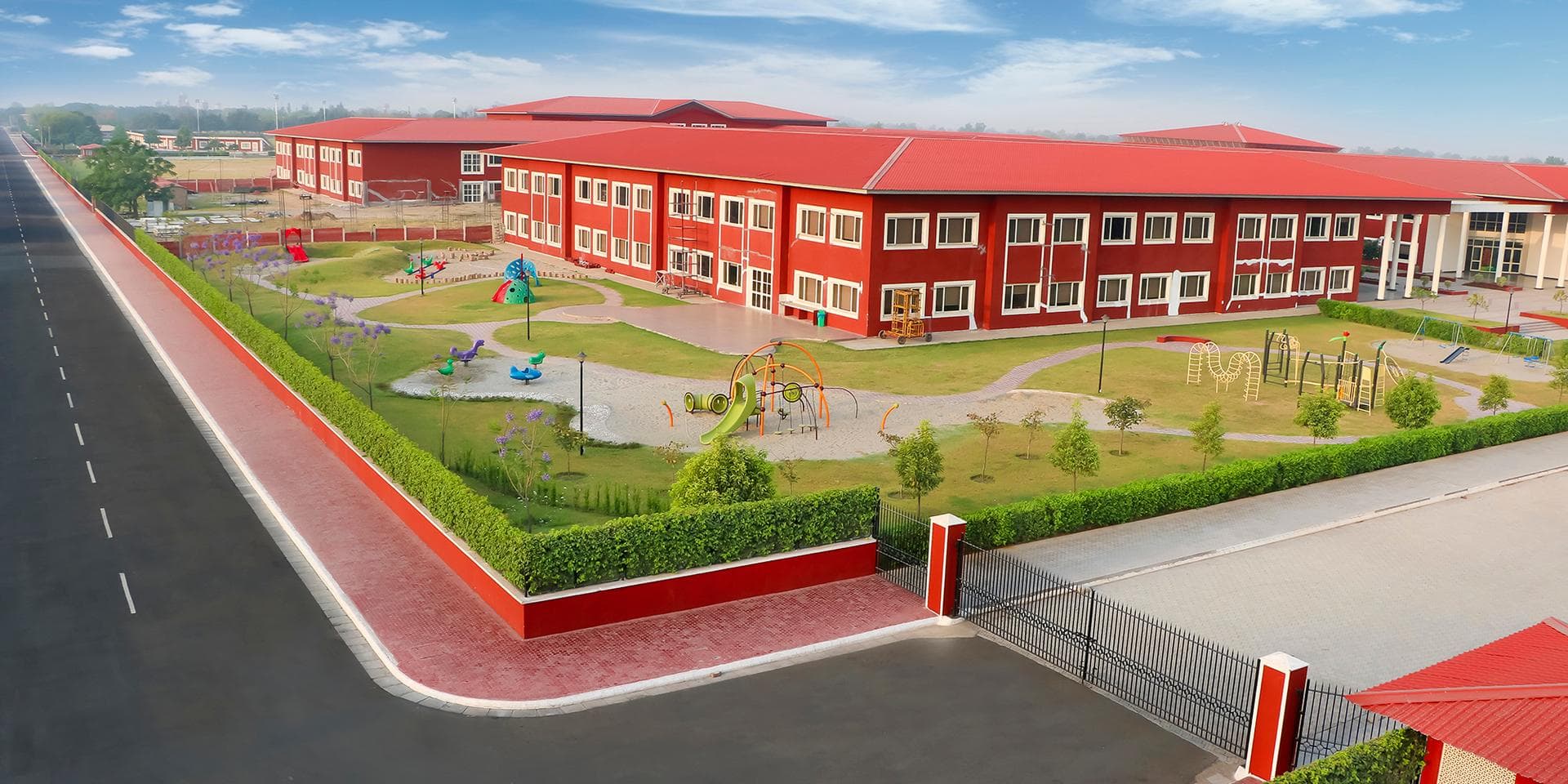
At Pathseekers School in Beas, Punjab, the philosophy of fostering creativity through art and craft is not just theoretical; it's a vibrant part of our daily life. Our classrooms and dedicated art studio are buzzing with activity, reflecting our commitment to hands-on, experiential learning. We see countless examples every day of how our students are growing and developing through these engaging activities, making learning a joyful and memorable experience for everyone involved. A related topic worth checking out is innovation in education.
One wonderful example is our annual 'Recycled Art Extravaganza.' Children from different grades are challenged to create sculptures, collages, or functional items using only waste materials like plastic bottles, cardboard boxes, old newspapers, and fabric scraps. This project not only sparks incredible creativity and problem-solving skills but also teaches them about environmental responsibility and sustainability, connecting art with real-world issues. The results are always astonishing, showcasing the boundless imagination of our young artists.
Another common scenario involves our 'Storytelling through Puppetry' workshops. After reading a story or creating their own, children design and make puppets using various craft materials. They then use these puppets to re-enact the story or invent new narratives. This activity dramatically enhances their language skills, narrative development, fine motor control, and confidence in public speaking. It's a perfect blend of literary appreciation, dramatic arts, and craft, demonstrating how art seamlessly integrates with the CBSE curriculum's focus on comprehensive skill development. Our students love these sessions, often creating elaborate puppet shows for their classmates and teachers.
Conclusion: Building a Foundation for Future Innovators
As we conclude our journey through the importance of art and craft in early schooling, it becomes abundantly clear that these activities are far more than just fun pastimes. They are essential building blocks for a child's holistic development, nurturing creativity, critical thinking, emotional intelligence, and fine motor skills. At Pathseekers School, we are deeply committed to providing an environment where every child's unique spark of creativity is recognized, celebrated, and carefully fanned into a bright flame. For practical tips, see this guide on Indias Latest Breakthrough In Cybersecurity Protecting The N.
By integrating art and craft into our daily curriculum, aligning with the progressive vision of the CBSE board, we are not just teaching children to draw or paint. We are equipping them with invaluable life skills: the ability to think innovatively, to express themselves confidently, to solve problems creatively, and to adapt to new challenges with enthusiasm. These are the qualities that will empower them to thrive in an ever-evolving world, becoming not just successful students, but future innovators, leaders, and compassionate citizens.
We invite you to witness this vibrant learning environment firsthand. Come and see how Pathseekers School in Beas, Punjab, is dedicated to nurturing young minds through the transformative power of art and craft. Together, let us lay a strong foundation for a future where our children are not just learners, but creators, dreamers, and pathseekers in every sense of the word. Join us in celebrating the magic of childhood creativity and watch your child flourish into their full potential!
Recommended Reading & Resources
Explore these related articles and resources to deepen your understanding of this topic:
- Indias Latest Breakthrough In Renewable Energy Harnessing Th
- Indias Latest Breakthrough In Artificial Intelligence Revolu
- Revolutionizing Design The Impact Of Generative Ai On Creati
- Revolutionizing Design The Impact Of Generative Ai On Creati
- Revolutionizing Design The Impact Of Generative Ai On Creati
- Deciphering The Enigma Of Seo A Futuristic Exploration Of Di
- Why Dental Care In Simi Valley Is More Important Than People
- Cracking The Code Of Seo Supremacy Illuminating The Path To
- Cracking The Code Of Seo Supremacy A Futuristic Odyssey 94ht
- Navigating The Nexus Unveiling The Evolutionary Dynamics Of
Published by Pathseekers School, Beas — A leading CBSE school in Amritsar, Punjab.
More articles on our official portal