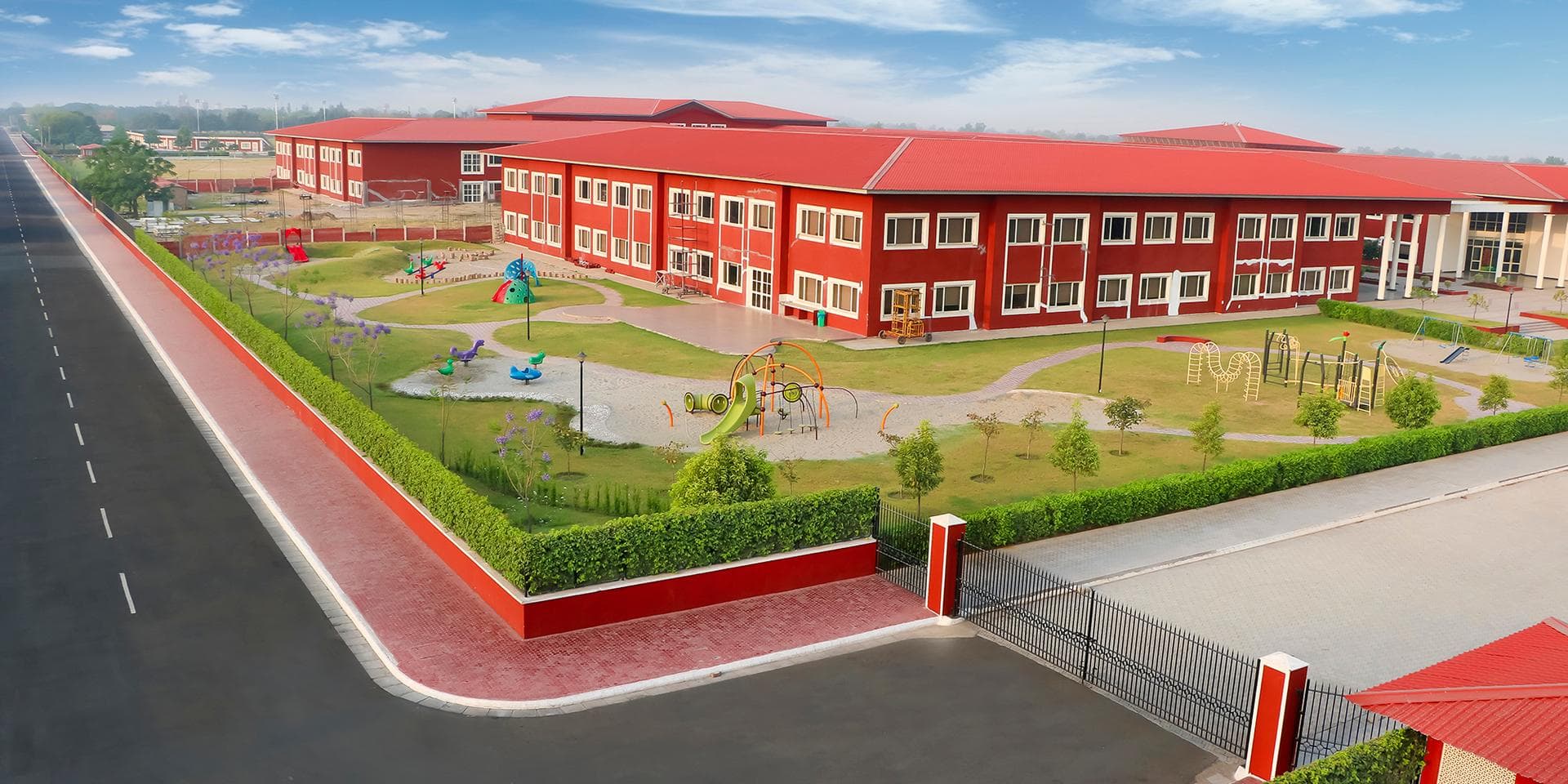
Why Strong Foundations in Reading & Math are Key for Primary Grades

The Bedrock of Learning: Why Classes I-III are Crucial
Imagine building a magnificent skyscraper. You wouldn't start with the upper floors or the fancy interior design, would you? You’d begin by laying a deep, strong foundation that can support the entire structure. The same principle applies to your child's education. The early years, specifically Classes I, II, and III, are the foundational stage where the most critical building blocks for all future learning are put into place. These are the years when basic literacy and numeracy skills are not just introduced but are deeply ingrained, shaping a child’s confidence and capability for years to come.
At Pathseekers School in Beas, Punjab, we understand that these primary years are not merely about learning facts, but about developing fundamental cognitive abilities. A child who grasps reading and math concepts firmly during this period is equipped with the tools to navigate more complex subjects later on. Without a solid foundation, subsequent learning can become a struggle, much like trying to build a tall structure on shaky ground. It's during these formative years that curiosity is sparked, and a love for learning is either ignited or dampened, making our approach to teaching these core subjects paramount.
The emphasis we place on reading and mathematics in Classes I-III aligns perfectly with the National Education Policy and CBSE guidelines, which stress the importance of foundational literacy and numeracy (FLN). We believe that every child deserves the opportunity to build a robust educational base. This early mastery provides children with the confidence to explore new ideas, ask questions, and engage actively in their schooling. It’s about empowering them to become independent learners, ready to tackle challenges and thrive in an ever-evolving academic landscape, setting them on a clear path to success. You might also enjoy reading about love for reading.
Decoding Reading: More Than Just Words
When we talk about reading, it’s often misunderstood as simply knowing how to pronounce words on a page. However, true reading goes far beyond mere word recognition. It encompasses a complex set of skills that allow a child to understand, interpret, and engage with written text. This includes comprehending the main idea of a story, identifying characters and settings, understanding cause and effect, and even inferring meanings that aren't explicitly stated. It's about making sense of the world presented through words, whether it’s a fairy tale, a science fact, or instructions for a game.
For children in Classes I-III, developing strong reading comprehension means they can follow a story's plot, answer questions about what they've read, and even retell it in their own words. This ability is crucial not only for language arts but for every other subject too. Think about it: how can a child understand a science lesson if they can't read the textbook, or solve a social studies problem if they struggle to grasp the historical narrative? Reading is the gateway to all knowledge, and mastering it early on unlocks countless opportunities for exploration and discovery across the curriculum.
At Pathseekers School, we focus on nurturing these deeper reading skills through various engaging methods. Our teachers guide students to move beyond simply sounding out words to truly understanding their meaning in context. We encourage critical thinking from a young age, prompting students to think about why characters act a certain way or what might happen next. This holistic approach ensures that our young learners are not just reading words, but are actively constructing meaning, building a strong foundation for advanced literacy and critical analysis in their later academic journey. Learn more about reading habits to expand your understanding.
The Power of Phonics and Early Literacy Skills at Pathseekers
Phonics is the cornerstone of early reading instruction, a systematic method that teaches children to connect sounds (phonemes) with letters and letter combinations (graphemes). At Pathseekers School, we emphasize a structured phonics program in Classes I-III, helping children decode unfamiliar words independently. This skill is vital because it empowers students to read new words by sounding them out, rather than memorizing them one by one. Imagine the confidence a child gains when they can pick up almost any book and begin to read it because they understand how letters work together to form sounds and words.
Alongside phonics, we focus on developing a range of early literacy skills that are crucial for reading fluency and comprehension. These include phonemic awareness (the ability to hear, identify, and manipulate individual sounds in spoken words), sight word recognition (instantly recognizing common words that don't always follow phonetic rules), and vocabulary building. Our curriculum is designed to progressively build these skills, moving from simple letter sounds in Class I to more complex word structures and sentence patterns in Classes II and III, in line with CBSE curriculum guidelines for primary education.
Our teaching methodologies at Pathseekers School make learning phonics and literacy engaging and interactive. We use a variety of resources, including flashcards, interactive games, storytelling sessions, and multimedia tools, to make learning enjoyable and effective. Teachers employ creative strategies, such as rhyming games and word families, to reinforce concepts. By making these foundational skills fun, we ensure that our students not only learn to read but also develop a genuine enthusiasm for it, setting them up for a lifetime of successful and joyful reading experiences. A related topic worth checking out is modern education.
Building a Lifelong Love for Books: The Role of Pathseekers Library
Learning to read is one thing; loving to read is another, and perhaps even more important. At Pathseekers School, we firmly believe in fostering a lifelong love for books from a very young age. Our school library is not just a room filled with books; it's a vibrant hub of imagination, knowledge, and discovery. For students in Classes I-III, regular visits to the library are an integral part of their weekly schedule, designed to expose them to a diverse range of stories, characters, and ideas, far beyond their textbooks.
During these library sessions, children are encouraged to explore different genres, from enchanting fairy tales and adventurous stories to informative non-fiction books about animals, space, or history. Our dedicated librarians and teachers guide them in choosing age-appropriate books that match their interests and reading levels. Storytelling sessions, where teachers read aloud with expression and enthusiasm, are particularly impactful. These sessions not only captivate young minds but also model fluent reading and help children develop listening comprehension skills, expanding their vocabulary naturally. For practical tips, see this guide on reading habits.
We also organize various reading promotion activities throughout the year, such as book clubs, character dress-up days, and creative writing workshops. These initiatives make reading a community activity and celebrate the joy of stories. By creating an environment where books are accessible, celebrated, and integrated into daily life, Pathseekers School ensures that our students in Beas, Punjab, don't just learn how to read, but truly embrace reading as a source of pleasure, knowledge, and endless possibilities, nurturing a generation of avid readers.
Numbers Speak: Unlocking the World of Early Mathematics
Just like reading, mathematics is a language—a universal language that helps us understand the world around us. For children in Classes I-III, early mathematics is about much more than just counting; it's about developing a fundamental understanding of numbers, patterns, shapes, and measurements. These basic concepts are the building blocks for all future mathematical reasoning and problem-solving. Without a strong grasp of these early ideas, children can quickly become overwhelmed as math concepts grow more abstract and complex in higher grades.
Introducing children to the world of numbers at this stage lays the groundwork for critical thinking and logical reasoning. Understanding quantity, comparing sizes, recognizing patterns, and identifying shapes are not just academic exercises; they are skills that children use every day. For instance, sharing toys equally, understanding how many days are left until a birthday, or recognizing the shape of a traffic sign all involve early mathematical thinking. These real-world connections make math relevant and exciting for young learners. If this interests you, also read about tech in schools.
At Pathseekers School, our approach to early mathematics focuses on making these concepts tangible and relatable. We use manipulatives, games, and hands-on activities to help students visualize and interact with numbers and shapes. This concrete experience ensures that children develop a deep conceptual understanding rather than just memorizing facts. We believe that when children enjoy their first encounters with math, they are much more likely to develop a positive attitude towards the subject, paving the way for sustained engagement and success in their academic journey.
Mastering Math Fundamentals: Counting, Operations, and Problem-Solving
In Classes I-III, mastering fundamental mathematical operations is paramount. This includes a solid understanding of counting, addition, subtraction, and the preliminary concepts of multiplication and division. The CBSE curriculum for these grades progressively introduces these operations, starting with simple one-digit calculations and gradually moving to two-digit numbers, emphasizing carrying over and borrowing. At Pathseekers School, we ensure that each student builds a strong conceptual base before moving to more abstract methods, making sure they truly understand 'why' a process works, not just 'how' to do it.
Our teaching methodology focuses on practical application and varied strategies. For addition and subtraction, we move beyond rote memorization, encouraging students to use number lines, count on their fingers, or visualize objects. For example, when teaching addition, a teacher might use blocks to show that '2 apples + 3 apples = 5 apples,' making the abstract concept of '2+3=5' concrete. This multi-sensory approach caters to different learning styles and reinforces understanding, ensuring that every child grasps the core principles firmly. This is closely related to love for reading — a must-read for parents.
Problem-solving is also a critical component of our math curriculum in these primary grades. It's not enough to just perform calculations; children must learn to apply these operations to real-life situations. Our teachers present word problems that require students to read carefully, identify the relevant information, choose the correct operation, and then solve the problem. This process enhances their logical thinking and analytical skills, preparing them for more complex mathematical challenges in higher classes and equipping them with practical skills for everyday life.
Real-World Math: Making Learning Fun and Practical
One of the most effective ways to make mathematics engaging for young children is to connect it to their everyday experiences. At Pathseekers School, we believe that math isn't just something you do in a textbook; it's all around us. For students in Classes I-III, we integrate real-world scenarios into our math lessons, making the subject practical, relevant, and exciting. This approach helps children see the immediate utility of what they are learning, fostering a deeper appreciation and understanding of mathematical concepts.
Consider scenarios like going to a shop. Our teachers might create a mock market in the classroom where students can 'buy' and 'sell' items, using play money to practice addition, subtraction, and even basic concepts of change. Telling time is another vital life skill; we use analog and digital clocks to help children understand hours, minutes, and sequences of events. Sharing snacks equally among friends introduces division, while measuring ingredients for a simple recipe teaches concepts of quantity and units. These hands-on experiences bring math to life. You might also enjoy reading about reading programs.
We also use games and activities that naturally incorporate mathematical thinking. Board games involve counting and strategy, while building blocks encourage an understanding of shapes, symmetry, and spatial reasoning. By embedding math into play and daily routines, Pathseekers School ensures that our students in Beas, Punjab, develop strong numerical literacy without even realizing they are 'studying.' This practical, fun-filled approach builds confidence and shows children that math is an indispensable tool for navigating the world successfully.
The Interconnectedness: How Reading and Math Support Each Other
While reading and math are often taught as separate subjects, they are, in fact, deeply interconnected and mutually supportive. A strong foundation in one area significantly enhances a child's ability to excel in the other. For instance, consider the challenges a child might face in a math class if they struggle with reading. Every word problem, every set of instructions for a math activity, requires reading comprehension. If a child cannot decode the text or understand the meaning of the words, they will struggle to even begin solving the mathematical problem, regardless of their numerical ability. Learn more about cognitive development to expand your understanding.
Conversely, mathematical thinking can also bolster reading comprehension and logical reasoning. Math teaches children to follow sequential steps, identify patterns, and understand cause and effect – skills that are incredibly valuable when analyzing a story or understanding complex textual information. The logical structure inherent in mathematics helps children to organize their thoughts and approach problems systematically, which can translate into better comprehension and analysis of written material across all subjects.
At Pathseekers School, we recognize and leverage this powerful connection. Our curriculum is designed to integrate these two foundational areas wherever possible. For example, during English lessons, students might read stories that involve numerical concepts, like counting objects or understanding sequences. In math class, word problems are carefully crafted to also serve as reading comprehension exercises. This integrated approach ensures that children develop a holistic understanding, reinforcing skills in both areas simultaneously and highlighting how knowledge is interconnected, preparing them for the multidisciplinary nature of future learning.
Pathseekers' Holistic Approach: Nurturing Future Ready Learners
At Pathseekers School, our commitment to foundational learning in Classes I-III goes beyond just teaching individual subjects. We adopt a holistic approach that nurtures every aspect of a child's development, ensuring they are not just academically proficient but also confident, curious, and well-rounded individuals. Our dedicated educators are trained to understand the unique developmental stages of young children, employing teaching strategies that are both effective and developmentally appropriate. This means creating a supportive and stimulating environment where learning is an adventure, not a chore. A related topic worth checking out is AI in education.
Our classrooms are vibrant spaces filled with learning aids, interactive displays, and opportunities for collaborative learning. Teachers at Pathseekers use a blend of traditional methods and innovative techniques, including project-based learning, educational games, and technology integration, to make lessons engaging. We focus on personalized attention, understanding that each child learns at their own pace and has unique strengths. Small group activities and one-on-one interactions ensure that no child is left behind, and those who are ready for more challenges are adequately supported.
Furthermore, our curriculum is regularly reviewed to ensure it aligns with the latest CBSE guidelines and best educational practices. We believe in continuous improvement and professional development for our teaching staff, ensuring they are equipped with the most effective tools and strategies to foster foundational literacy and numeracy. This comprehensive and nurturing environment at Pathseekers School in Beas, Punjab, empowers our young learners to build robust academic foundations, preparing them to confidently navigate the complexities of higher education and become future-ready citizens.
The Path Forward: Partnering with Parents for Success
At Pathseekers School, we firmly believe that education is a collaborative journey, a partnership between the school, the child, and the parents. The strong foundations laid in Classes I-III become even stronger when there is consistent reinforcement and encouragement at home. Parents play an invaluable role in supporting their child's early literacy and numeracy development, and we encourage active participation to create a seamless learning experience between home and school. For practical tips, see this guide on reading habits.
There are many simple yet powerful ways parents can contribute. Reading aloud to your child every day, even for just 15-20 minutes, is incredibly beneficial. Discuss the stories, ask questions, and encourage them to retell what they heard. Similarly, integrating math into daily routines, such as counting objects around the house, involving them in simple cooking measurements, or discussing prices at the grocery store, can make a huge difference. These activities not only reinforce what they learn in school but also strengthen the bond between parent and child.
We encourage open communication between parents and teachers at Pathseekers School. Our teachers are always available to discuss your child's progress, offer personalized tips, and address any concerns you might have. Regular parent-teacher meetings, workshops, and school events provide opportunities for dialogue and shared learning. By working together, we can ensure that every child builds the strongest possible foundation in reading and math, setting them on a clear path to lifelong academic success and personal growth. Your partnership is key to their bright future.
Recommended Reading & Resources
Explore these related articles and resources to deepen your understanding of this topic:
Published by Pathseekers School, Beas — A leading CBSE school in Amritsar, Punjab.
More articles on our official portal